


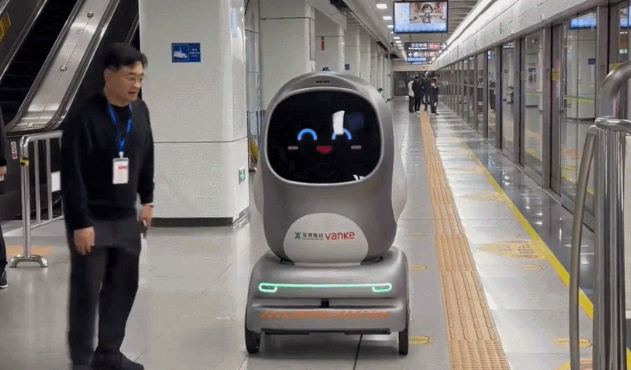
The sight of humans and robots sitting side by side on the subway is becoming an increasingly common scene in Shenzhen. The Penggwon-like robot started work early in the morning with bottled water and beverage boxes loaded in the cargo hold. It passed through the passageway next to the ticket gate, and moved to the subway platform by elevator. This is possible because the LiDAR sensor technology enables users to recognize space and obstacles. When a person approaches, it stops by itself and there is little risk of safety accidents even when the crowd is crowded to some extent. The robot, which was waiting for the subway, entered the passenger car when the door opened. Since its full-fledged service in December last year, a total of 40 subway robots have been delivered to 61 stations along eight routes. It is also easy to find transportation by drone. On June 11, he ordered two cups of coffee from his smartphone through the food delivery platform Meituan. About 10 minutes later, the drone appeared overhead with a “wing” sound. “Deliveries may be late if there is traffic or duplicate delivery is done, but drone delivery is always on time,” said a woman who came to pick up the beverage delivered by the drone.
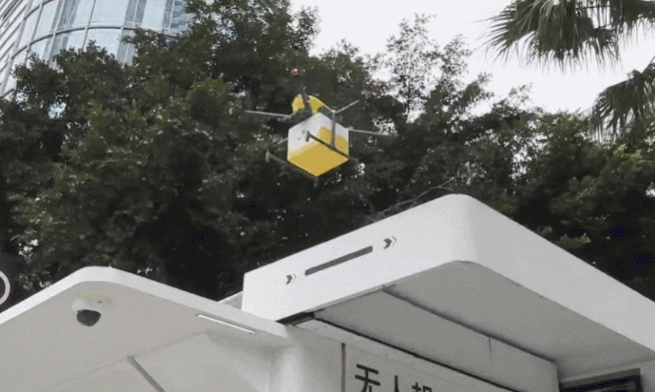
When I went to the shopping mall where the store where I ordered coffee was located, there was a large drone take-off and landing site on one side of the building. When the order came in, the employees of the company in the shopping mall brought the product to the take-off and landing site. When the drone manager hung the delivery box containing the product to the drone, it took off immediately. An employee of the company explained, “On weekdays, about 100 orders come in a day, and on weekends, there are more than 300 orders.”
In Shenzhen, high-tech products are easily accessible throughout the city. When citizens encounter robots and AI frequently, demand for high-tech products and services is naturally created. Companies have opportunities to not only increase sales but also accumulate data on the front lines. “The whole city is a test bed for Shenzhen, where robots fry popcorn in theaters and patrol robots fly on the streets,” said Hong Kong’s Xingda Oil Daily.
JENNIFER KIM
US ASIA JOURNAL

