


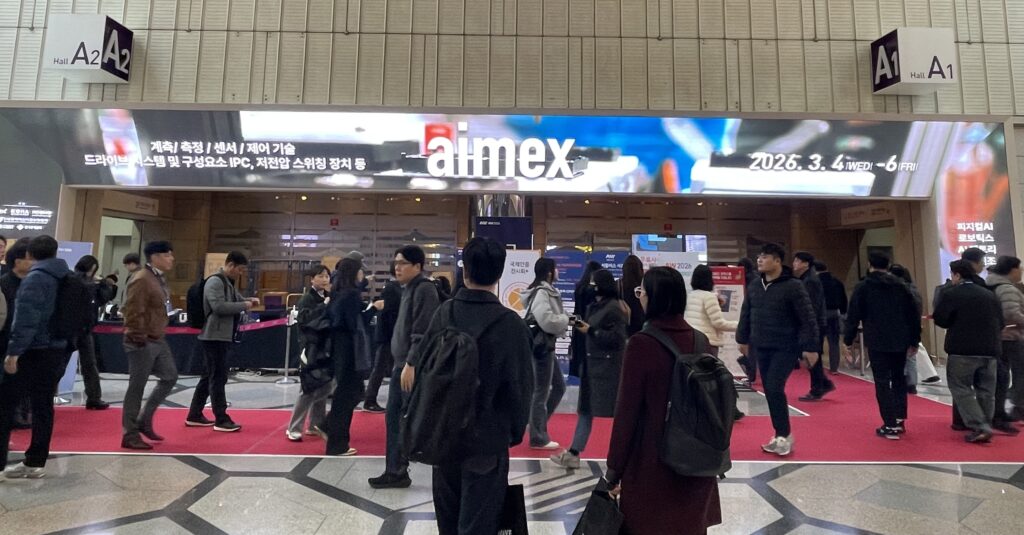
From March 4 to 6, 2026, the AW 2026 Smart Factory & Automation Industry Expo was held across all halls of COEX in Seoul. The exhibition, one of Asia’s leading industrial events, showcased the present and future of smart manufacturing and automation technologies, and was held on the largest scale in its history.
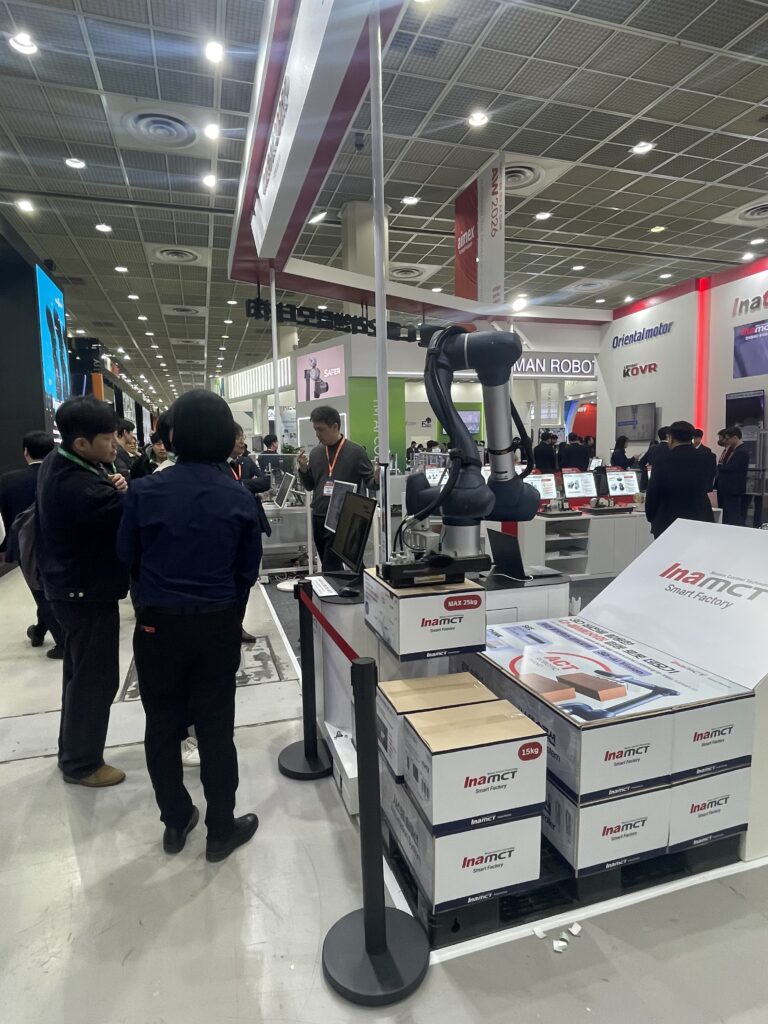
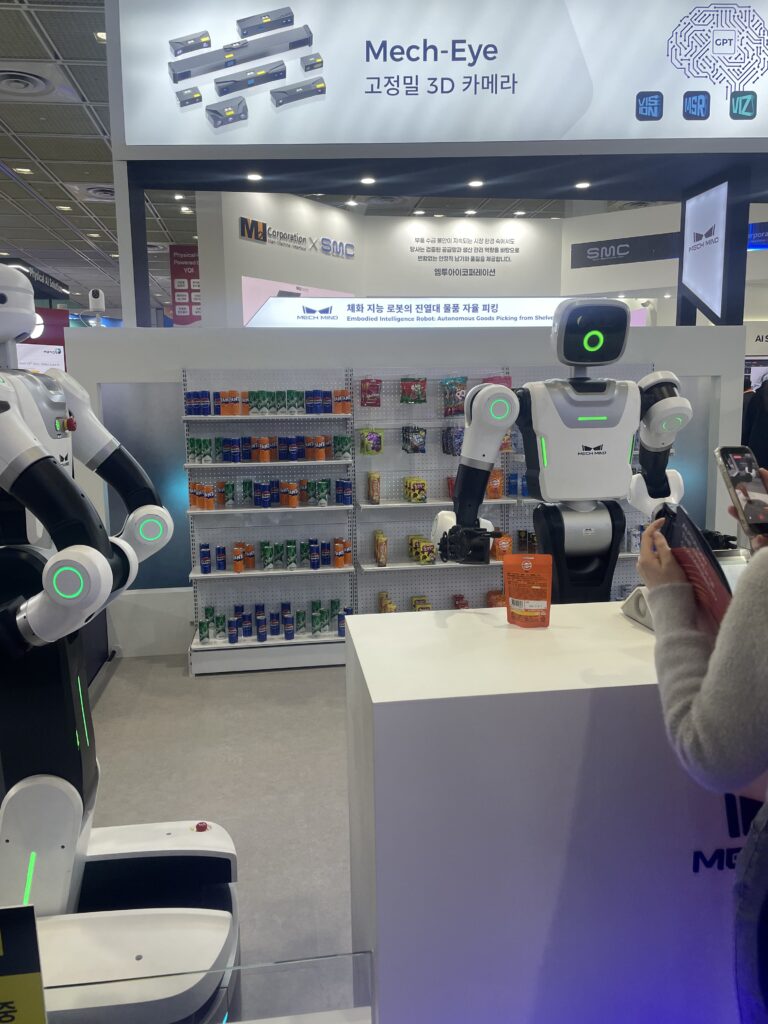
The event featured several specialized exhibitions, including the International Factory Automation Exhibition, Smart Factory Expo, Machine Vision Industry Exhibition, and Smart Logistics Pavilion. A wide range of advanced technologies were presented, such as robotics, machine vision, industrial communication systems, logistics automation, and AI-based manufacturing solutions. In particular, the AI Factory Pavilion attracted significant attention by introducing next-generation manufacturing technologies, including AI-powered autonomous manufacturing systems and humanoid robots.
One of the most frequently mentioned keywords during the exhibition was AX (Autonomous Transformation).
In simple terms, AX refers to the stage where factories and production systems can make decisions and operate autonomously using AI, robotics, and data technologies. In the past, manufacturing innovation largely focused on DX (Digital Transformation), which emphasized the adoption of digital technologies. AX, however, goes a step further. It represents a stage where AI analyzes production data, and robots and automated equipment adjust manufacturing processes on their own to optimize operational efficiency.
For example, in traditional systems, human operators would analyze production data and adjust processes manually. In an AX environment, AI analyzes equipment status and production data in real time and automatically adjusts process conditions. This not only improves productivity but also reduces defect rates and eases the burden on human workers.
Simply put, while DX refers to “digitalization,” AX can be understood as “autonomization.”
Smart factories and automation technologies are currently regarded as key drivers of innovation in the global manufacturing industry. Manufacturers around the world are facing challenges such as labor shortages, the need for higher production efficiency, and uncertainties in global supply chains. As a result, companies are rapidly shifting toward intelligent and automated factories by adopting technologies such as AI, robotics, IoT, and data analytics.
Smart factories typically have several defining characteristics. Production equipment and systems are interconnected through IoT-based infrastructure, enabling seamless data exchange. AI-driven analytics optimize production planning and manufacturing processes. Robots and automated equipment collaborate within autonomous production systems, while real-time data enables predictive maintenance to minimize downtime and improve operational efficiency.
South Korea is also actively promoting innovation in smart manufacturing. The government aims to expand digitalization and automation in the manufacturing sector by establishing 12,000 AI-based smart factories by 2030.
Amid these developments, the smart factory market is expected to grow even more rapidly in the coming years. As AI and robotics technologies continue to advance, the manufacturing industry is evolving beyond simple automation toward Autonomous Manufacturing, where production systems can operate with minimal human intervention.
The exhibition attracted not only Korean companies but also a wide range of businesses and industry professionals from around the world. Participating companies showcased various manufacturing innovation technologies, including robotics, machine vision, industrial sensors, factory automation software, and smart logistics systems, while exploring opportunities for global collaboration. In particular, robotics technologies and AI-based production solutions highlighted emerging trends shaping the future of the industry.
In addition to the exhibition, more than 200 professional seminars and conferences were held throughout the event, including the Industrial Intelligence Conference and the AI Autonomous Manufacturing Innovation Conference. These sessions provided opportunities for experts to discuss the latest technologies and future market prospects. As a result, AW 2026 served not only as a technology exhibition but also as an important platform for industry collaboration, knowledge exchange, and global business networking.
AW 2026 offered visitors a valuable opportunity to understand how far smart factory and automation technologies have advanced. Technologies such as AI-driven process analysis, collaborative robots, autonomous mobile robots (AMRs), and humanoid robots demonstrated how advanced solutions are already being applied in real industrial environments, offering a glimpse into the future direction of manufacturing.
In particular, the exhibition highlighted a significant shift from traditional smart factory concepts toward an AX-driven industrial paradigm powered by AI and robotics. It clearly demonstrated that manufacturing is rapidly moving beyond simple automation toward a new era of autonomous, intelligent production systems.
SALLY LEE
US ASIA JOURNAL

