


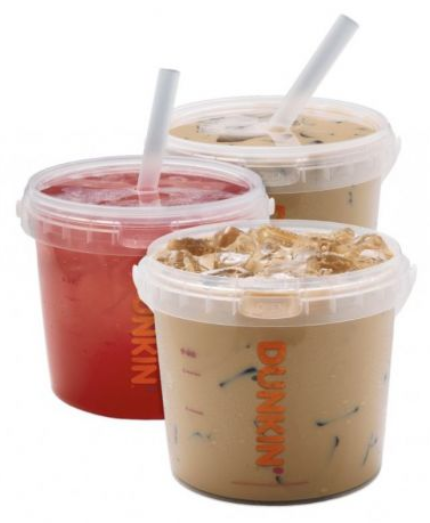
Dunkin, the U.S., is drawing attention on social media by launching a mega-sized “Yangdong Coffee” with about 1.4 liters. Although consumers have been flocking to large-capacity products and sold out early in some stores, analysts say that the overall trend of the U.S. restaurant industry is moving quickly from “larger” to “as much as necessary.”
According to the New York Post, Dunkin recently sold a 48-ounce ice bucket in select stores in New Hampshire and Massachusetts. This is about twice the maximum size.
“I drove 40 minutes” and “I arrived at 5 a.m. after driving 1 hour and 20 minutes.” One user said, “I drank for 5 hours.”
The so-called bucket cup craze reminds us of the large-capacity food culture that has been symbolized in the United States. In the late 20th century, the practice of serving American restaurants solidified amid falling agricultural and energy prices and mass production. According to a study published in the journal Foods in 2024, the average American intake was 13% higher than that of French. This overindulgence has been blamed for obesity and food waste. Recently, however, the atmosphere has changed somewhat. The Financial Times (FT) reported that small-sized menus that can be eaten lightly are spreading throughout the United States. The background is that the burden on consumers has increased due to rising prices for eating out, and the use of GLP-1-based obesity treatments has increased.
GLP-1 medication is characterized by inhibiting appetite and slowing digestion. Fox News quoted an expert as saying, “Many GLP-1 users feel burdened by the existing servings.”
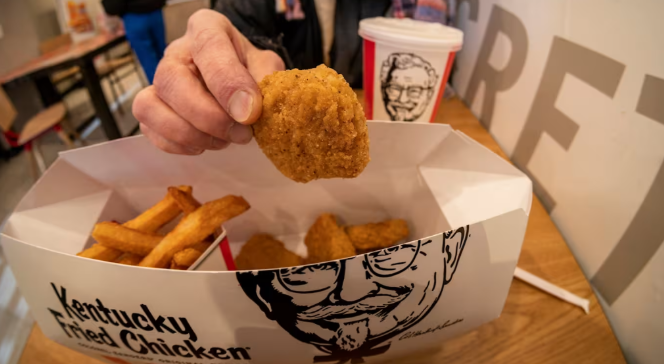
As a result, restaurant brands are also adjusting their menu strategies. KFC has introduced a method of adjusting the size and cooking style of its 4,000 stores in the U.S. “We are adjusting the menu according to the amount consumers want,” KFC CEO Chris Turner said at the earnings briefing. P.F. Chang’s, an Asian fusion restaurant chain in the U.S., also added a medium-sized option to its main menu. However, some analysts say that it is difficult to say that this is simply a reduction in per serving. According to Circana, a Chicago-based market research firm, GLP-1 users’ visits to restaurants have not decreased significantly.
However, the number of items ordered per visit fell by an average of 1%. There was a tendency to choose less side menus and order more concisely based on main dishes.
The industry also interprets this as “expanding flexibility” rather than “reduction.” Rather than reducing the existing large-capacity menu collectively, it is a strategy to expand the choice by providing both small-capacity options and protein-oriented menus.
JULIE KIM
US ASIA JOURNAL