


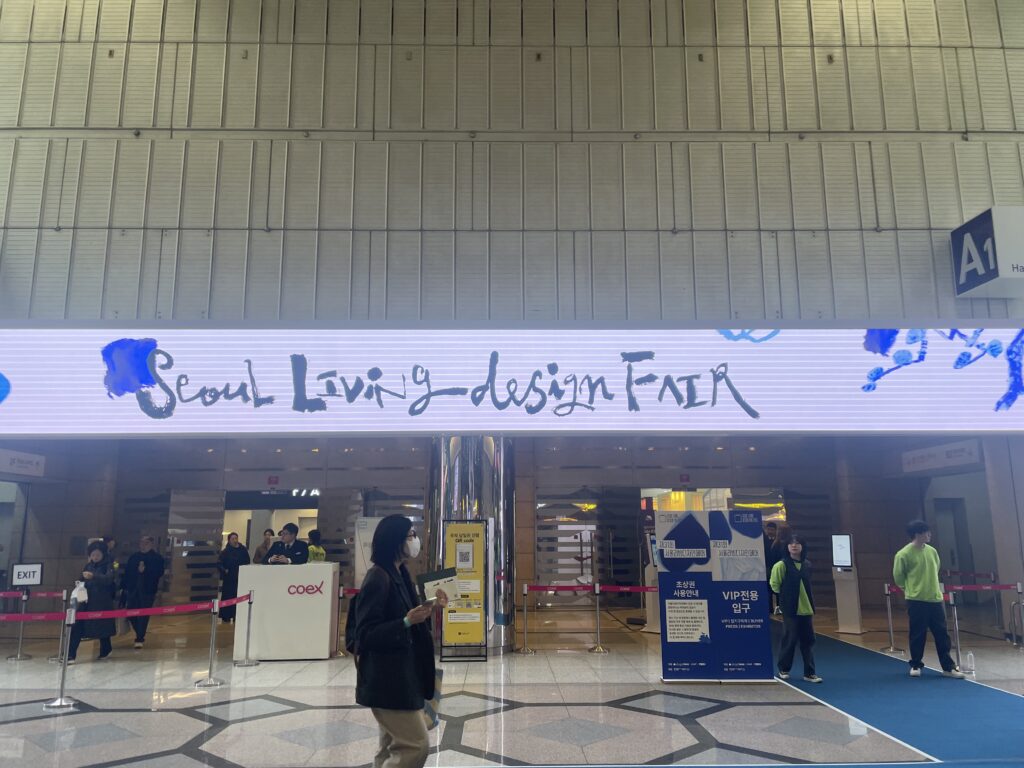
Held from February 25 to March 1, 2026, at COEX in Seoul’s Gangnam district, the 2026 Seoul Living Design Fair further solidified its position as a central hub of the global living and lifestyle industry. With a history spanning more than three decades, the fair brought together an expansive range of living-related products and content—including furniture, lighting, interior décor, household goods, tableware, bedding, and even fashion and beauty—under one roof. The exhibition halls were filled with diverse brands and curated displays, offering visitors not only ideas for improving their living spaces but also inspiration for enhancing their overall quality of life.
More than just a product showcase, the Seoul Living Design Fair serves as a platform for proposing new lifestyles. Each year, it connects industry professionals and consumers through trend-driven exhibitions and curated programs. This year’s highlights included Designers’ Choice, Living Trend Seminars, and special themed pavilions, where visitors could explore products firsthand, learn about design philosophies, and gain insight into the future direction of the industry.
In recent years, the living and home décor market has evolved beyond furniture-centered consumption into a broader lifestyle-oriented industry. The global home and living market continues to show steady growth and is projected to expand further in 2026 compared to the previous year. Valued at approximately $800 billion in 2026, the global living and décor market is expected to maintain an average annual growth rate of over 5 percent. This expansion reflects a shift in consumer priorities: living spaces are no longer viewed purely in functional terms, but as environments that embody personal taste, emotional satisfaction, and sustainability.
Today’s living market is characterized by “taste-based consumption” and premiumization. In the past, demand for furniture and interior products was largely driven by major life events such as marriage, relocation, or moving into a new home. Now, however, purchases are increasingly influenced by everyday motivations—seasonal changes, mood shifts, hosting gatherings, or pursuing hobbies. Among younger generations, particularly Millennials and Gen Z, living spaces are seen as an extension of identity and emotional expression. Fueled by social media and digital content platforms, space styling has become a cultural phenomenon, naturally driving demand for living products.
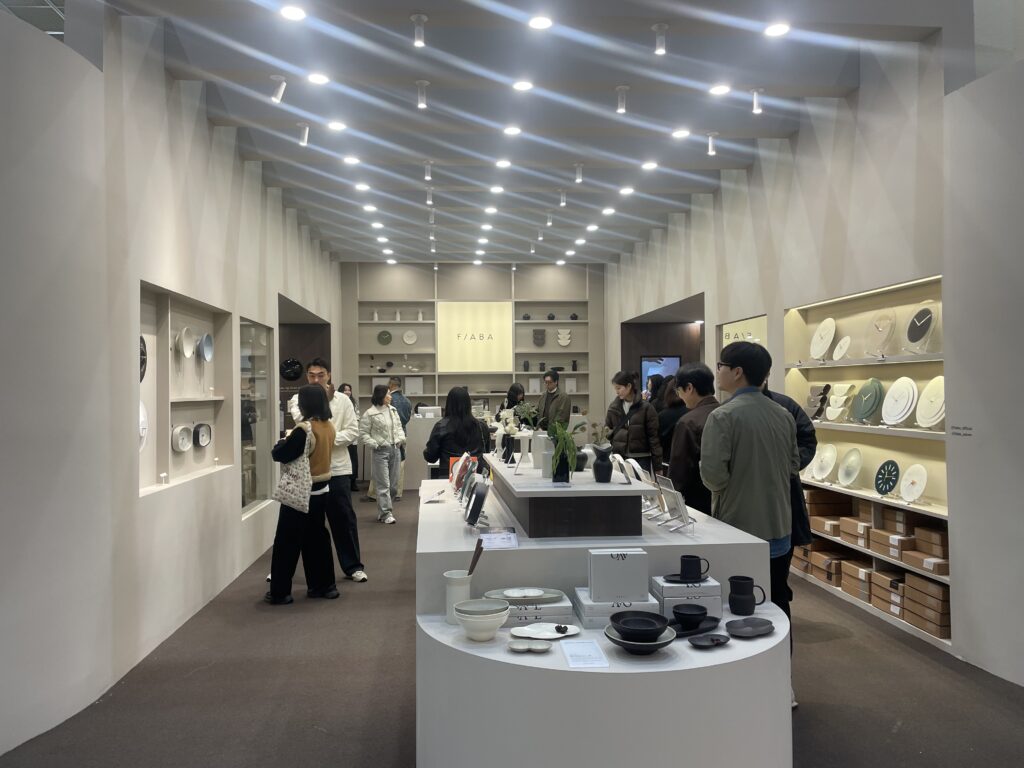
Trends such as home cafés, home offices, and home workouts—often referred to as the “home economy”—have become firmly established since the COVID-19 pandemic and continue to shape consumer behavior. At the same time, premium brands emphasizing high-quality materials and distinctive design are gaining momentum. Consumers are increasingly willing to invest in durable products with clear brand philosophies rather than simply opting for lower prices. This signals a shift in the market from price competition to value competition.
The living market is changing rapidly. Furniture and interior products, once purchased primarily at specific life stages, have become central elements of lifestyle-driven consumption. The growth of curated online shops, specialized living stores, and customized space services has fostered a culture in which people seek to make not only their homes but also their everyday moments more beautiful and comfortable.
Why, then, is the importance of the living market continuing to grow? First, urbanization and the rise of single-person households have increased demand for higher-quality living spaces. Second, as consumers seek to express individuality, interest in products that balance design and functionality has intensified. Third, growing social awareness of sustainability has encouraged the development of eco-friendly materials and responsible production practices within the industry.
Moreover, living-related consumption now fulfills psychological and emotional needs tied to well-being. It goes beyond decorating a physical space and extends into experiential consumption that enhances overall quality of life. As a result, the living industry has emerged as a key driver of new consumer trends.
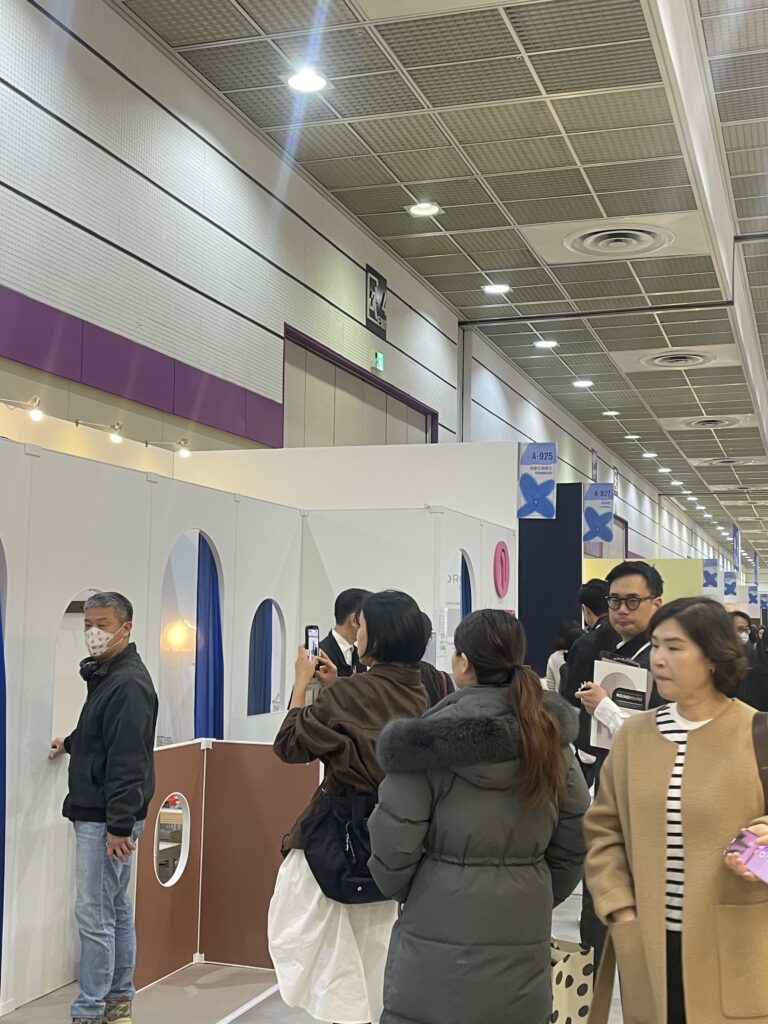
One of the defining strengths of the Seoul Living Design Fair is its broad accessibility. It is not an event reserved solely for industry professionals. Newlyweds, college students moving into their first apartments, working professionals interested in interior design, and retirees looking to refresh their homes all walk the exhibition halls. International buyers and overseas visitors are also increasingly visible, underscoring the fair’s global appeal.
The exhibition space is designed not merely for sales but for interaction and experience. Visitors can listen directly to designers, touch materials, and step into showroom-style installations that simulate real living environments. These immersive experiences allow attendees to envision their own lifestyles more concretely, highlighting how the living market has expanded from simple product consumption to experience-driven engagement.
Today, the living industry is no longer peripheral. It is rapidly evolving into a future-oriented sector where technology, sustainability, culture, and emotion converge. At the heart of this transformation, the Seoul Living Design Fair functions as a platform for presenting new trends and sharing a collective vision for the industry’s direction.
Looking ahead, the living market is expected to continue its steady growth. As consumers seek spaces that reflect self-expression, well-being, and sustainability, the concept of “living” will expand beyond trends into a comprehensive lifestyle philosophy. Living fairs, in turn, are transforming from straightforward product exhibitions into dynamic cultural platforms that combine creativity, strategy, and experiential content.
The evolution of the Seoul Living Design Fair ultimately mirrors the broader maturation and expansion of the living industry itself—an industry that is reshaping everyday life in increasingly meaningful ways.
SALLY LEE
US ASIA JOURNAL

