


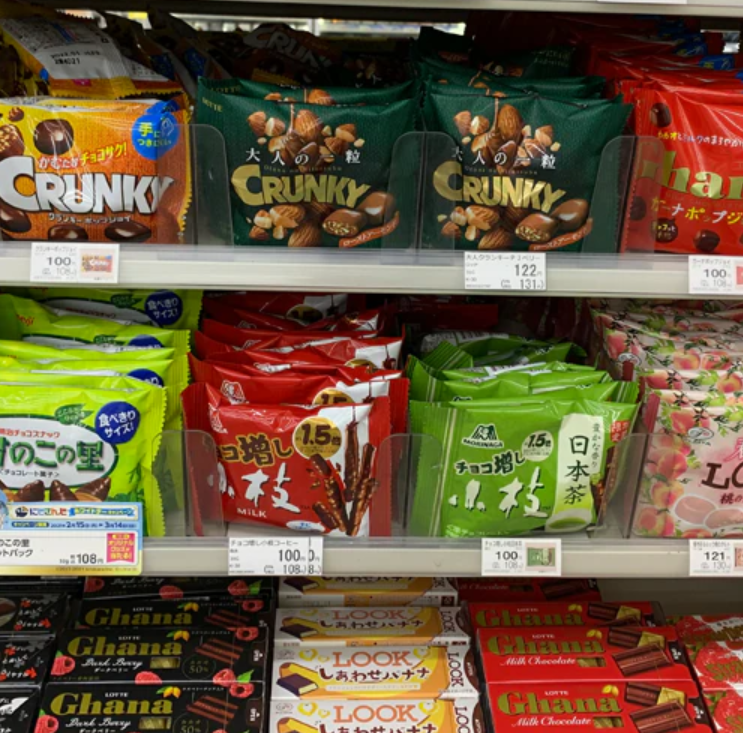
The Japanese chocolate market is facing a double whammy of soaring prices and shrinking consumption ahead of Valentine’s Day. The price nearly doubled compared to five years ago due to the unstable supply and demand of cacao ingredients and the weak yen, and the purchase volume plummeted by about 40 percent.
According to the Nihon Keizai Shimbun, chocolate rose 24.4 percent year-on-year in the consumer price index of Tokyo’s 23rd district (2020 = 100) in January, released by Japan’s Ministry of Internal Affairs and Communications. This is more than three times higher than the average growth rate of 7.2% for overall snacks. After rising to 205.6 in August last year, the chocolate index has remained high, recording 183.3 this month.
The main reason for the surge in prices is the unstable supply and demand of cacao beans. Worsening weather conditions in West Africa, including Ghana, the largest producer, caused a price surge dubbed the “cacao shock” in 2024.
International cacao prices have turned downward since their peak last year, but it takes more time to cut consumer prices as manufacturers’ high-priced stock of raw materials is still circulating in the market. In addition, price pressures are increasing due to rising import prices caused by the weak yen.
According to a survey by private credit research firm Daikoku Data Bank on Valentine’s Day strategic products of 150 chocolate brands sold at major department stores, the average price per chocolate was 418 yen (about 3,900 won) last year, up 5.8% from 395 yen last year.
An additional 5 percent increase is expected this year. Based on the household survey conducted by the Ministry of Internal Affairs and Communications, households with two or more employees in Tokyo’s 23rd district estimated their chocolate purchases in February, down 40 percent from five years ago.
In addition to the price burden, cultural changes are at work in the contraction of consumption. Analysts say that the decline in sales is accelerating as the custom that was given to colleagues and acquaintances has disappeared.
The industry is seeking various strategies to cope with the situation. Department stores are trying to break through price resistance by strengthening premium product lineups and expanding hands-on contents, while convenience stores are pursuing a “small luxury” strategy that reduces the capacity of their own brand (PB) products but improves their quality.
SALLY LEE
US ASIA JOURNAL

