


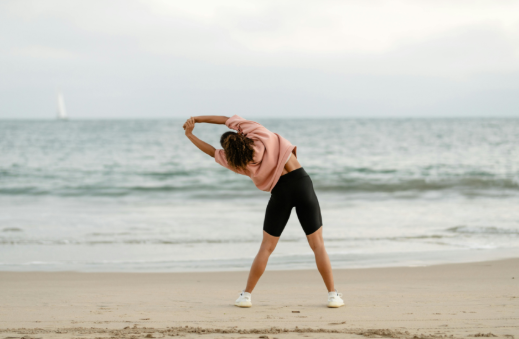
Wellness is no longer a special experience enjoyed only during vacation. Recently, the global wellness industry is asking “how you are living” rather than “how well you rested.” The most intensive data showing this trend is the Six Senses Wellness Report.
Six Sense is a brand that operates luxury resorts and wellness facilities around the world and has built an integrated wellness that encompasses physical, mental, emotional, and spiritual areas beyond simple spa services. Their annual wellness forecast is used as a reference point across global wellness facilities, healthcare, and lifestyle industries. The most striking change is that the stage for wellness has moved from ‘resort’ to ‘daily’. A case in point is wellness at work. Sleep, stress management, and recovery of concentration, which were previously considered areas of individual self-management, are now recognized as factors directly related to organizational performance.
Around management and leaders, the design of working rhythms based on the premise of short meditation before going to work, breathing control during work, and recovery is spreading. This is not a wellness to reduce work, but more of a management strategy to work better in the long run.
While wellness actively utilizes technology in 2026, it does not rely on technology. Although wearable devices and health data analysis accurately show an individual’s biological rhythm, Six Sense says that it only makes sense when traditional healing methods and human senses are combined.
The method of adjusting bedtime and meditation or exercise intensity based on heart rate changes using sleep data is already becoming commonplace. It is important to use the data to understand the body’s response rather than being dragged around by numbers.
Contrast therapy, which alternately uses a sauna and a cold bath, was once considered a symbol of wellness travel, but it is now expanding into a daily recovery habit. The contrast between hot and cold awakens the body’s resilience through blood circulation and nervous system stimulation. At home, it is sufficient to finish with cold water after a shower or use a cold compress after a warm lower-body bath. Regular rhythms are more important than excessive stimulation.
In addition, breathing is what Six Sense paid particular attention to. Breathing is evaluated as the simplest but most powerful wellness tool. This is because it can stabilize the nervous system, control emotions, and restore concentration without any additional equipment or space.
The body reacts quickly only with slow breathing before going to sleep, abdominal breathing at tense moments, and breathing in rhythm while walking. This is the best example of the fact that wellness is not a grand plan.
The daily life surrounded by digital devices paradoxically raises the thirst for analog experiences. Six Sense analyzes that hand-written, made, and slow-moving activities lead to mental stability and deep recovery.
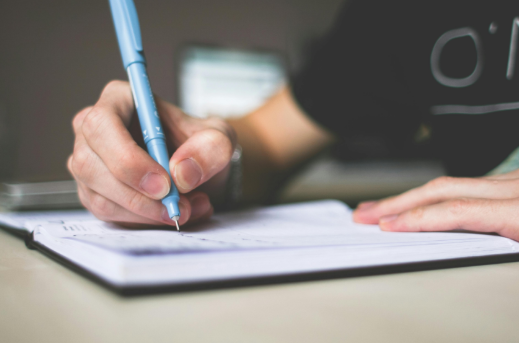
Recording a paper notebook for 10 minutes a day, taking a walk without a smartphone, and having hobbies using hands are considered simple but effective ways to practice wellness. The process of restoring senses plays a role in keeping the mind in the present.
The last keyword for wellness in 2026 is the redefinition of longevity. Six Senses emphasizes “long life with soul,” which includes meaning, purpose, and relationships, away from the concept of longevity centered on life extension.
Writing a thank-you diary, taking time to think alone, and taking care of relationships are becoming just as important as physical care. It is the perception that healthy life expectancy is completed not by numbers but by quality of life.
The message from the Six Senses Wellness Report is clear. Wellness is not an event that is only possible in a special place, but a structure of life created by the accumulation of daily choices and habits. Wellness in 2026 is slower, deeper, and more realistic. In an era when the way you take care of your body becomes an attitude toward life, wellness is not grandiose, but looking back on your daily habits.
SALLY LEE
US ASIA JOURNAL

