


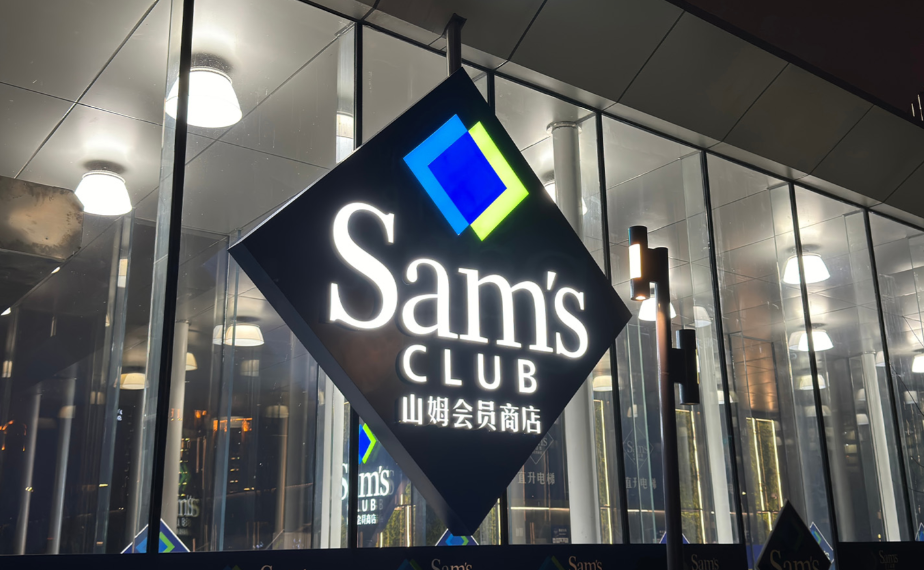
On weekend afternoons, children are on large shopping carts, while parents slowly walk through the high-ceilinged aisles, choosing eggs, steaks and imported snacks. A line forms in front of the tasting corner. At first glance, the scene is no different from that of Costco in the suburbs of the United States. The only thing is: This is Sam’s Club, not Costco.
Sam’s Club, which had always been hidden behind Costco in the U.S., turned the tables in China. The Wall Street Journal reported that Sam’s Club is achieving unprecedented success in the very realm that Costco controls in China. In other words, the brand that used to be the second best in the U.S. has become the representative of premium warehouse stores in China.
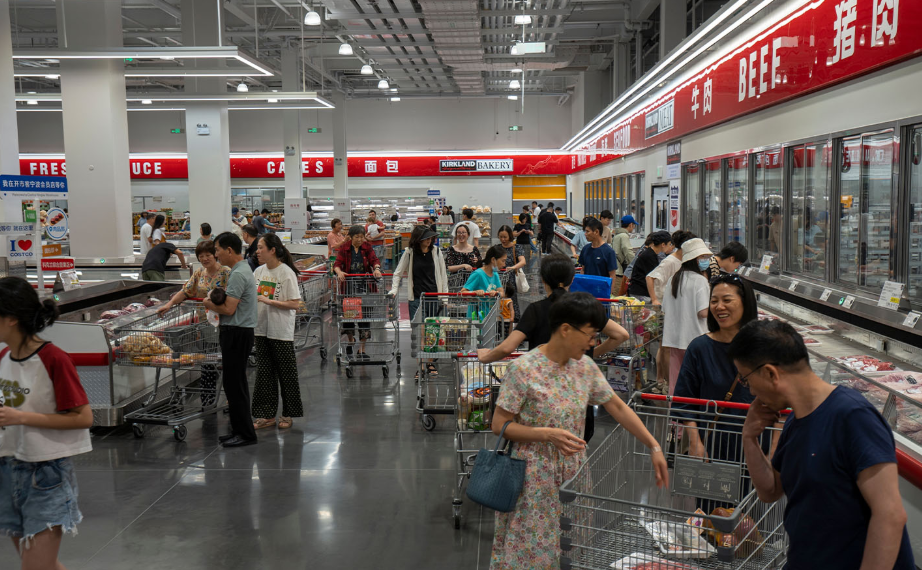
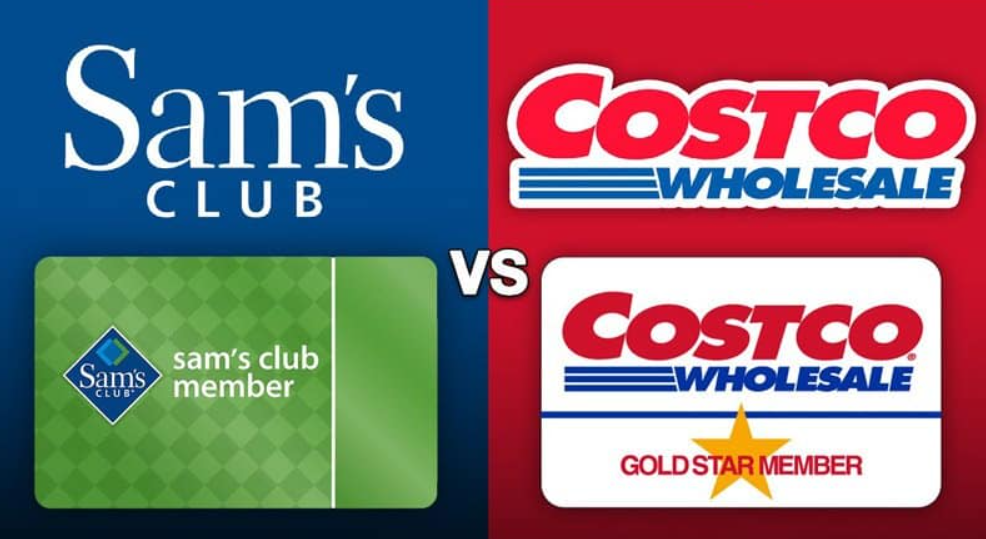
The numbers are different, too. Sam’s Club is operating about 60 stores in China. The number has increased rapidly from 39 three years ago. Some large stores have annual sales of over 500 million dollars. Costco, on the other hand, has only seven stores since it opened its first store in China in 2019. The first step in China was Sam’s Club. The starting point of this reversal was the judgment that “China is in a blank state.” In the U.S., Sam’s Club could not escape from Walmart’s low-priced image. The number of its targets has also been shaken by the trend among small business owners and ordinary consumers. However, it was different in China. Sam’s Club started at a premium price. There was an internal goal of “Let’s take the place first when Costco joins.”
Andrew Miles, the former CEO of Sam’s Club in China from 2012 to early this year, called his core customers “BMW members” internally. They are wealthy housewives aged 35 to 45 who drive their BMWs to the store. They are more likely to respond to “something they can’t buy anywhere else” than to buy in bulk.
Thus, the club changed the rules of the fight. Exclusivity was emphasized by increasing membership fees, and the products were organized like a treasure hunt. Key products include imported food from around the world, high-end versions of popular ingredients in China, and cookies and desserts sold only in the club. Oreos with cream in thin cookies and snacks from overseas brands have become hot topics of conversation in China. Consumption environment in China has also accelerated this strategy. Overall consumption has become cautious since the slowdown in the real estate market, but there are still many people who can use it. According to Walmart, China’s sales increased by 22 percent year-on-year in the latest quarter. China has become the fastest growing region among Walmart’s overseas markets. Sam’s Club is at the center of the trend.
Its membership structure is similar to but different from that of the U.S. In China, the basic membership fee is $37 per year and the premium is $97. Premium members receive 2 percent of their purchases back in cash. Identity is created by “member or not” rather than price.
This model was not initially welcomed. When Sam’s Club opened its first store in Shenzhen in 1996, many people were skeptical that warehouse-style stores do not fit Chinese urban consumers who live in cramped apartments. In fact, there were only eight stores in 2012. The turning point was data on middle and high-income groups. After seeing the upward line in the graph, the strategy completely changed.
Of course, there were controversies. Earlier this year, some consumers complained about why they sell something like Orion Choco Pie that can be bought anywhere else, and state-run media also reported the news. Walmart has launched an evolutionary measure by saying that it will reflect customer opinions in its product composition. This means that the more premium strategy is established, the higher the expectations will be.
The success of Sam’s Club in China represents another aspect of Walmart. It is not a cheap retail dinosaur, but a player who knows how to design a premium. In the United States, Costco was not exceeded, but in China, it settled first and widened the gap. Sam’s Club proves in China that the match of warehouse-type discount stores is not a price but a story.
SAM KIM
US ASIA JOURNAL

