


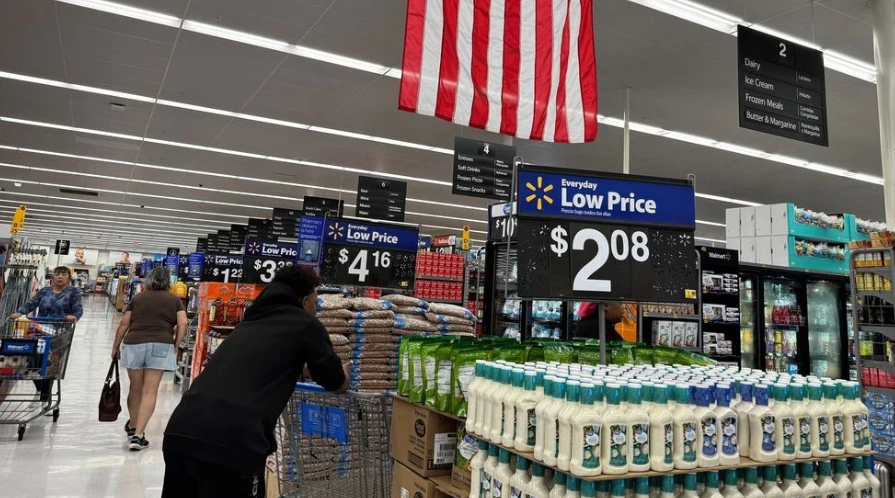
Amid the clear “K-shaped polarization” of the U.S. economy (the widening gap between classes, industries, companies, and regions), low-cost retailers are attracting attention.
Aldi, a low-end retailer like Walmart, has seen explosive growth over the past decade, according to NBC News. The number of stores doubled from 1230 in 2012 to around 2,400 in 2023. It plans to open 800 more stores by 2028.
Aldi has gained popularity due to its low price and simple operation method. Examples include coin-operated shopping carts, products from a small number of famous brands, and products displayed in paper boxes.
The company is expected to benefit greatly from the recent “K-shaped polarization” that has struck the U.S. economy. The cost of living in the U.S. has recently risen sharply due to a combination of years of inflation, high interest rates, energy costs, and tariffs.
“Consumers of all demographic characteristics and income levels are looking for Aldi,” Aldi told NBC. “No one wants to spend more on groceries than they need to.”
In fact, more than half of the respondents said they changed their grocery purchases to save money, according to a recent NBC poll. Respondents cited housing and food costs as the biggest economic problems facing households.
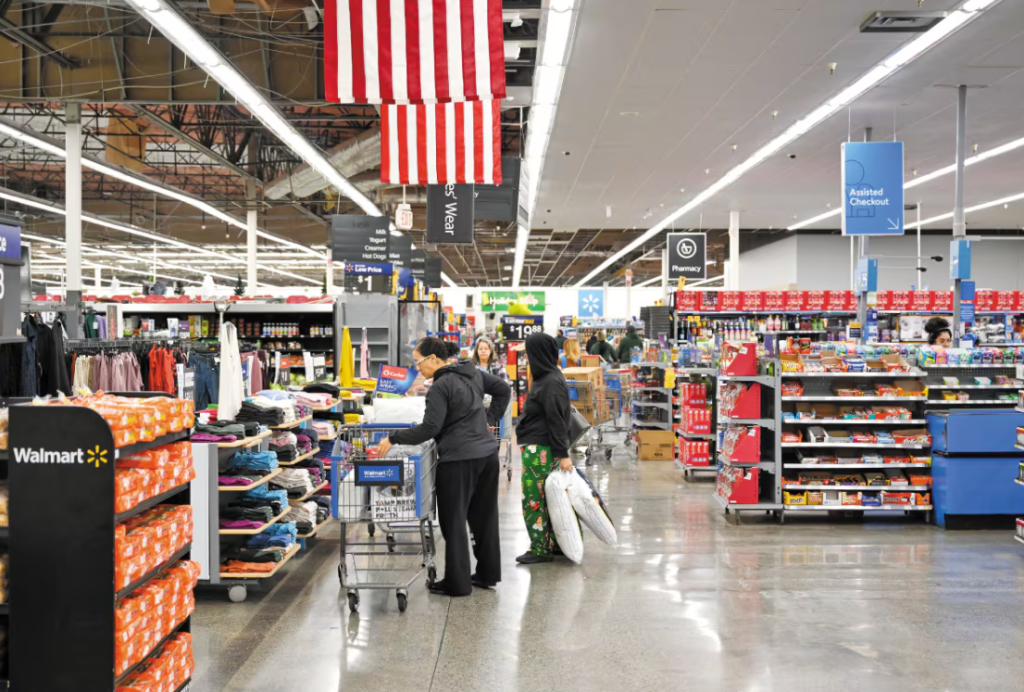
Public utility bills, such as electricity and gas, have also risen significantly. According to the U.S. Bureau of Labor Statistics, electricity prices across the U.S. have risen 6.9% over the past year, more than double the inflation rate.
According to the National Energy Assistance Association (NEADA), the average heating cost of an American household is expected to be 995 dollars this winter. The figure is 84 dollars higher than last year.
NEADA Secretary-General Mark Wolf pointed out, “It may not be a big change for high-income families, but it is an unaffordable hit for families who are already struggling.”
Bratani Zweir and Frank Martinez, who earn more than $100,000 a year, told NBC that they only buy what they need right now. These days, they eat out every three months,” adding that they only buy groceries in Aldi.
Michael Torres, who earns less than 50,000 dollars a year, said, “What you want and what you need is different. If you need something, you can get it,” adding, “But I think we will have to postpone some of what we want for a while.” Meanwhile, as many Americans cut back on spending, the U.S. economy’s dependence on high-income households is increasing. The K-shaped economy refers to a structure in which the top class maintains economic stability, which is showing an increase in income and consumption.
According to Moody’s Analytics, the share of top 10% earners in total U.S. consumer spending in the second quarter of this year reached an all-time high of 49.2%.
Some companies are introducing high-end product lines aimed at high-income consumers.
This month, American Airlines flew a new aircraft with fully laid-down seats and Bluetooth connectivity, while budget airline JetBlue opened its first airport lounge.
However, experts warn that it could be dangerous for the U.S. economy to become overly reliant on consumer spending by very few Americans.
“Whether the economy will fall into recession in 2026 depends almost entirely on the top 20%,” said Long, chief economist at Navy Federal Credit Union (NFCU), but added: “The lower income bracket feels left behind, and it feels like it’s standing flat even on lucky days.”
SAM KIM
US ASIA JOURNAL