


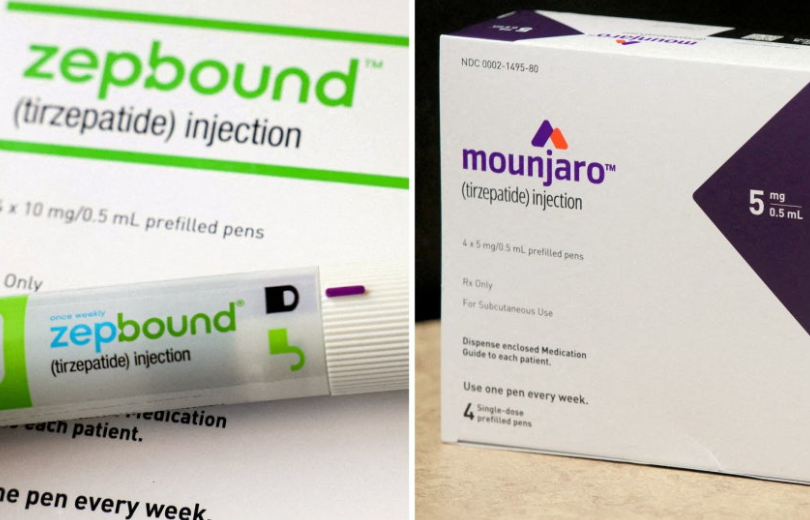
The fitness club industry has begun to improve its constitution for survival as weight-loss drugs have become popular in the United States. The fitness club, which used to be an exercise place, is attempting to transform itself into a kind of medical aid facility that maximizes the prescription of obesity treatment.
In the U.S., obesity treatment has become a daily commodity beyond mere fads. According to a survey conducted by the Kaiser Family Foundation (KFF) in 2024, one in eight U.S. adults has already taken GLP-1 drugs (diabetes and obesity treatment, whose prescriptions surged due to blood sugar control and weight loss effects). Currently, 12 percent of adults are taking medication. Considering that 40 percent of adults in the U.S. fall under the obesity category, the market potential is still enormous. Recently, the U.S. Food and Drug Administration even approved the treatment for obesity. Axios, citing experts, said, “If consumers who were afraid of needles enter the market, who will preempt the new lifestyle tailored to drug users and the experience of using obesity treatment (UX) will determine victory or defeat in the industry.” The most agile response is from the fitness club industry. In the past, fitness clubs made money by lending exercise spaces and equipment to people who wanted to lose weight. However, the profit model, which used to fill the space by attracting even one more member, has reached its limit as the initiative to lose weight has shifted from exercise to drugs. As a result, fitness clubs are redefining themselves as essential medical-linked facilities responsible for muscle preservation and metabolic management. This is because there is a greater likelihood that the market will be dominated by places that maximize drug effects and recognize exercise as an insurance that protects health, not a painful process to lose weight.
Lifetime, a fitness club franchise that already has more than 185 locations across the United States, has declared the medicalization of fitness clubs. In the Lifetime program, nurses and medical staff reside inside the fitness club to prescribe obesity treatment to members and manage medication. Lifetime management told Axios, “You must learn how to exercise to achieve successful results with obesity treatment,” and added, “It teaches you that resistance exercise and elaborate diet guides are essential to prevent muscle loss in the process of taking drugs.”
The fitness club industry estimates that consumers who use obesity treatment are premium members who are more interested in maintaining their health than the public. The fitness club industry is focusing on the membership retention rate among GLP-1 users and how much they are willing to pay for medical-linked programs, rather than simply selling more memberships. It is a strategy to sell expensive customized services by digging into concerns about muscle (筋) loss that consumers who lost weight through drugs will suffer.
Last year, top-end fitness club chain Equinox introduced a training program dedicated to GLP-1 users. According to Equinox, the program focused on balancing the disordered body and strengthening muscle strength after drastic weight loss.
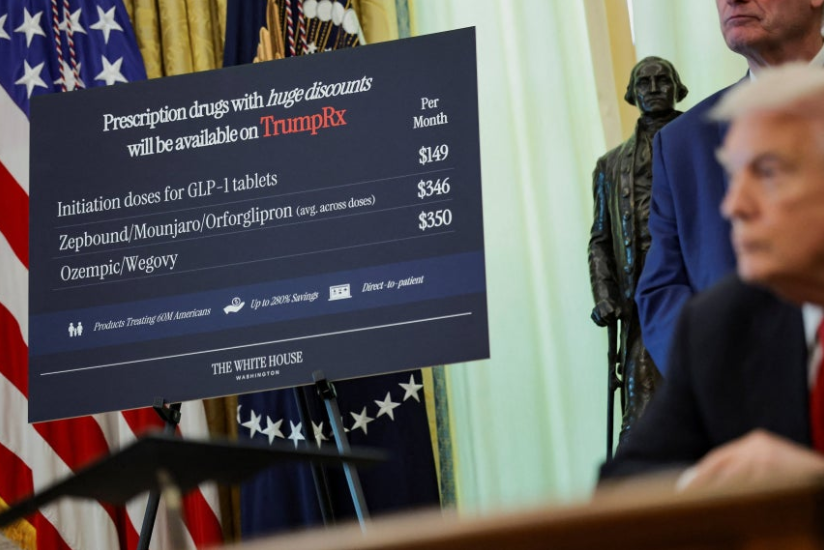
Gold Gym, the holy site of the bodybuilding, has started to attract loyal consumers by offering its members obesity treatments and longevity-related drugs at discounted prices. Ultra-cheap brands such as Planet Fitness are also discussing cooperation with related companies and changing the layout of facilities to make it easier for users of obesity treatments to access muscle exercise equipment. Meanwhile, the food industry is also hit by an unprecedented shock. In GLP-1 obesity treatment, the drug acts directly on the brain and suppresses appetite. Consumers taking this drug are more likely to spend less on food than ever before. According to a Cornell University study, households taking GLP-1 cut their grocery store spending by 5.3% and fast food spending by 8% on average. Snacks, soda, and alcohol consumption, which emphasized particularly stimulating taste, shrank sharply.
Since the Industrial Revolution, the food industry has pursued a strategy of selling more, but now it has shifted to a strategy of selling more at a high price to those who eat less. At the same time, the shelves are filled with products with high protein, high dietary fiber, and small packaging as key keywords.
Nestle, the world’s largest food company, has introduced a brand specializing in nutritional design for people who take medicine for obesity. The brand named Vital Pursuit focuses on frozen foods that reinforce protein that helps maintain muscles and help manage blood sugar. The restaurant industry has also joined the change. Chipotle and Olive Garden have increased the portion of high-protein menus and introduced small-dose menus. The plan is to prevent people from deviating by placing menus with reduced amount but higher nutritional density to meet the taste of consumers who have decreased appetite.
“Consumers in the food industry are focusing on protein and fiber,” Rabobank, a multinational bank, said, citing experts. “Food companies and restaurants must come out with products tailored to them to survive.”
JULIE KIM
US ASIA JOURNAL

