


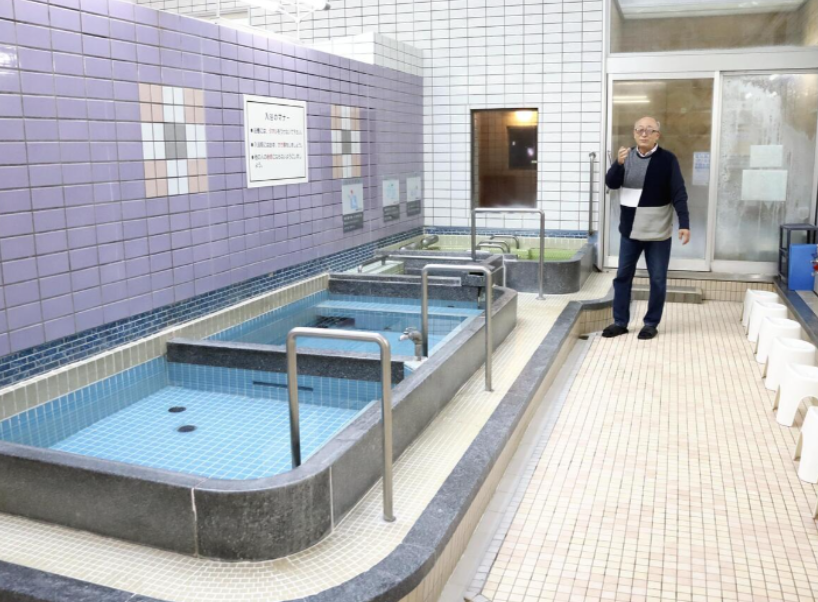
Amid the combination of fuel costs, rising prices, and a shortage of successors, industries with a high proportion of energy use, such as bathhouses, are being hit directly as the weak yen and rising energy prices increase price pressures across the Japanese economy. It is difficult to avoid a deficit unless you raise the rate, and when you raise it, you are at a crossroads in a dilemma where the number of customers decreases.
According to the Yomiuri Shimbun on Wednesday, the number of public baths in Hyogo Prefecture stood at 138 as of the end of March, down from half of 20 years ago. Only 81 of them are actually in operation. This means that more and more places are left with smoke-filled chimneys turned off in every alley.
The biggest burden is fuel costs. “The price of heavy oil used to heat water used to heat water was 65 to 70 yen per liter four years ago, but now it has risen to 105 yen,” says Koichi Menkan, a third-generation owner who has been running a public bath in Nagata Ward, Kobe City. In other words, the cost of boiling water has jumped nearly 1.5 times. Prices of consumables such as towels and bath products have also increased one after another.
Small pleasures in the bath are no exception. The special fish cake, which is considered one of the most popular menus in the restaurant, increased its price by 20 to 50 yen from 100 yen in April this year. “I’m thinking about many things to survive, but it’s not easy,” Mencan said.
Business conditions are getting worse. According to a survey of public baths in operation by Hyogo Prefecture, the average monthly deficit was about 173,500 yen as of the end of last year, but it has widened to about 224,000 yen by the end of July this year. This means that the cost burden is increasing rapidly.
The problem of succession is also serious. According to the current public bath house business, the average age of bath managers is 69.6 years old. Most of them are family management, so there are many cases where there is no one to follow. Due to the nature of the industry that requires constant hygiene management and facility maintenance, many places choose to close their businesses because they cannot afford large-scale repairs. Behind these difficulties is inflationary pressure across the Japanese economy. In Japan, after escaping from the long-running low price phase, prices felt, mainly in energy and food, have risen rapidly in recent years. The weak yen has raised import prices, and the increase in electricity and fuel prices is a burden on the overall service industry.
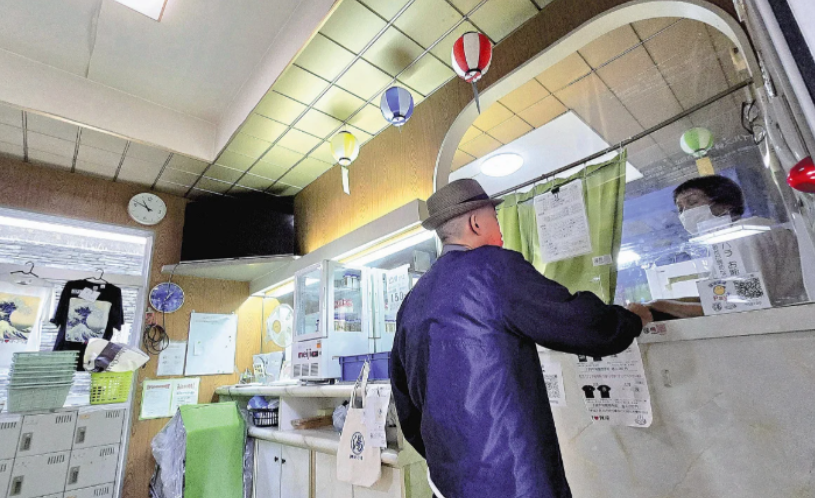
Industries with a high proportion of energy use, such as public baths, are particularly impacted. The cost structure has rapidly deteriorated as heavy oil and electricity prices required to heat water have risen at the same time. On the other hand, as Japanese households’ real wages recover slowly, consumer resistance to price increases remains. If you don’t raise the rate, it’s difficult to avoid a deficit, and if you do, you’re in a dilemma where fewer customers can decrease.
Against this backdrop, Hyogo Prefecture has decided to raise the ceiling on bathing fees for the first time in three years. From January next year, the ceiling on adult bathing fees will be raised from 490 yen to 570 yen. It is 200 yen for middle-aged people and 100 yen for children. This is the second highest level in the country after Osaka Prefecture (600 yen for adults).
The 80-yen hike is unusual for adults. Some are concerned about a decline in the number of users, but more people on the spot say, “We cannot endure it unless we raise the price.”
The industry is struggling to catch customers. The Hyogo Prefecture Bath Association held a stamp rally this winter with products on the line and also prepared a place for shop owners to learn how to use SNS. It is an attempt to make the local bathhouse not a “space in memory” but a “space that can be found now.”
The union is appealing for local government-level support, saying, “Without support, the number of bathhouses that close will inevitably increase.”
SAM KIM
US ASIA JOURNAL

