


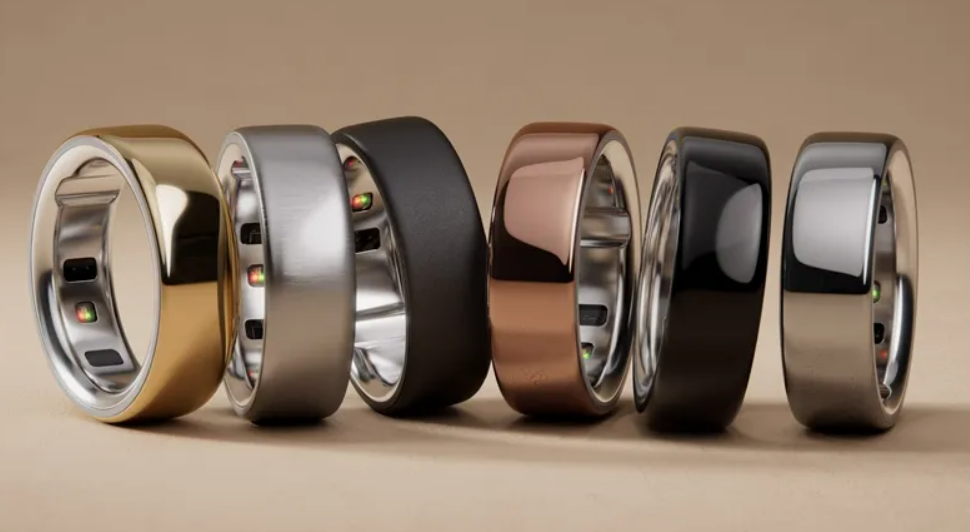
According to CNN in the United States, the sleep tracking ring released by “Oura,” an unknown Finnish start-up, has emerged as an emerging powerhouse in the health wearable market with $1 billion in sales this year.
The product features a lightweight weight of about 0.5 ounces (about 14 g). Ring prices start at $349, and you’ll have to pay a subscription of $6 per month to use most of the features.
Celebrities such as Jennifer Aniston, Gwyneth Paltrow and Michael Dell have been wearing them, drawing attention. This year’s sales have doubled from 2024, and more than half of the 5.5 million units sold so far have reportedly been sold over the past year.
Aurora has her own reasons for focusing on the ring shape instead of popular devices such as smartwatches. Aurora has consistently maintained that fingers are more accurate than wrists when it comes to tracking health data.
Jitesh Ubrani, a research manager in charge of the wearable industry at the International Data Company (IDC), analyzed that Oura’s strategy worked more favorably as consumers gradually preferred “unimpeded technology” without a screen.
Asked about the possibility of developing a product line other than Ring, Oura CEO Tom Hale replied, “Partnerships with other wearables with special and unique features can be considered.”
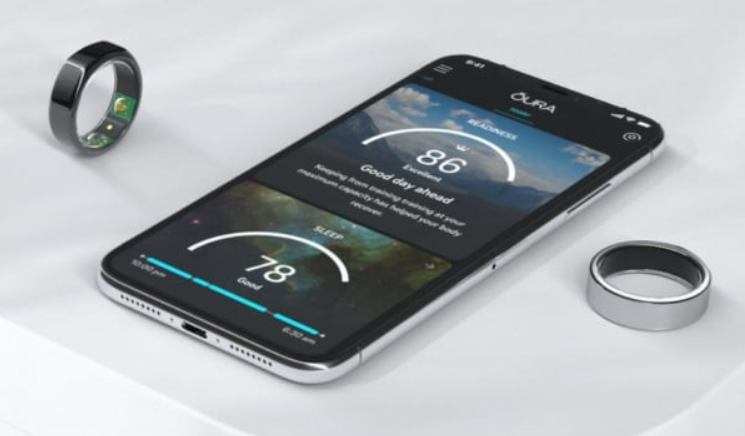
In fact, Oura is working with blood glucose meter manufacturer Dexcom to combine heart rate, sleep data, and blood sugar information measured by rings. Hale said that future collaborations are also more likely to be made with medical technology companies that can increase accuracy than consumer device companies.
He predicts that artificial intelligence (AI) will ultimately combine data collected from wearable devices with medical records to help consumers understand their health conditions more accurately.
However, competition in the wearable device market is getting fiercer. Google rolled out AI Health Coach service similar to Oura, Apple added a hypertension notification function to its Apple Watch and AirPods added a heart rate monitoring function this year. Samsung also introduced a health tracking ring similar to Oura’s in 2024, and is also developing an AI-based health chatbot.
JENNIFER KIM
US ASIA JOURNAL

