


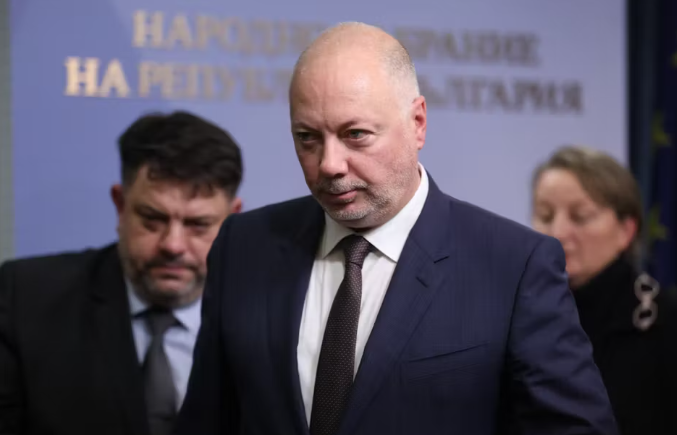
According to Reuters and the Wall Street Journal (WSJ), Prime Minister Zelyazkov announced his resignation at a press conference in Sofia, the capital, on the 11th, saying, “We discussed the current situation, the challenges we face, and the decisions we need to make responsibly.”
The announcement of his resignation came as a matter of urgency just minutes before a vote on the no-confidence motion was held in parliament.
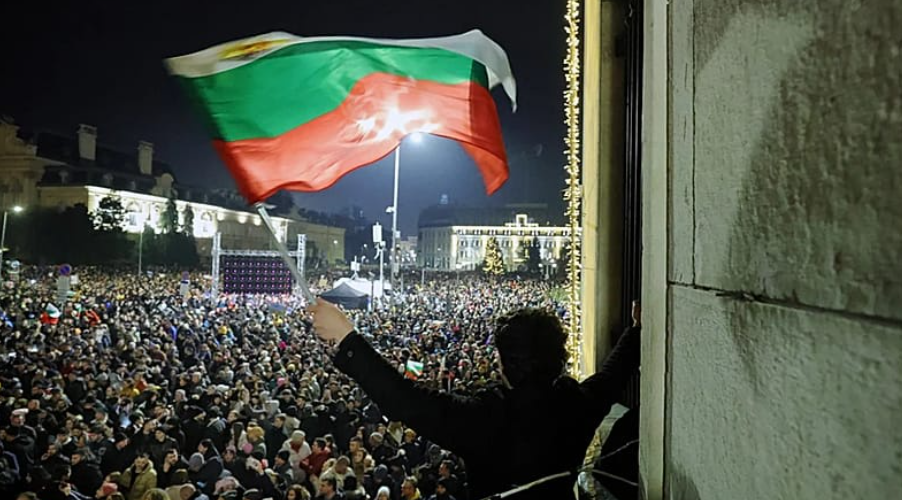
Earlier, thousands of citizens held rallies in Sofia and dozens of other cities on the evening of the 10th to protest against widespread corruption and the government’s inability to eradicate it. They are mostly young urban professionals who support joining the Eurozone. Bulgaria joined the European Union (EU) in 2007 and will also join the Eurozone from January 1 next year.
Protesters gathered through TikTok and other social networking services (SNS) and protested with placards with phrases such as “Generation Z is coming” and “Generation Z vs. Corruption.”
The protest began as a reaction to Zelyazkov’s proposal to increase state spending by raising social security contributions and increasing dividend taxation. Zelyazkov eventually withdrew his budget for next year.
Bulgarian President Rumen Radev will now ask the parliamentary floor party to form a new government. However, it seems difficult to form a coalition government due to the wide gap between the parties, and an interim administration is expected to be appointed until new elections are held. There is also a possibility that Radev, who is popular with the public, will form a new party and run in the general election.
Corruption is one of the most chronic social problems in Bulgaria, a country with a population of 6.5 million. Transparency International rates Bulgaria as the most corrupt country among EU member states, and it continues to be pointed out in the EU.
SAM KIM
US ASIA JOURNAL

