


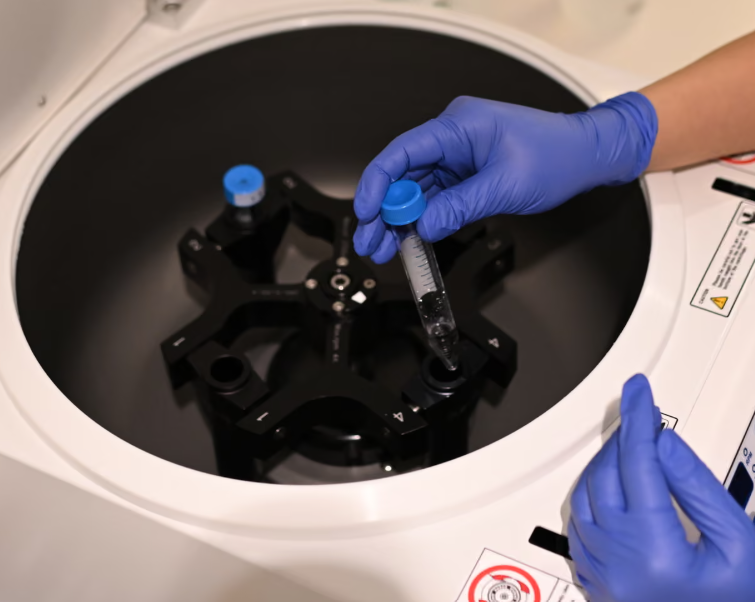
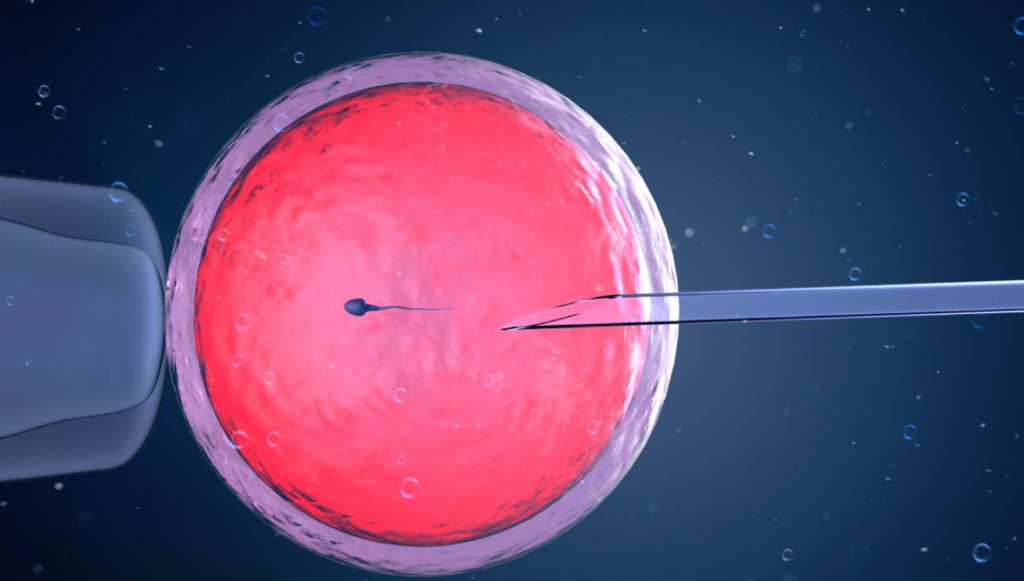
In the UK, couples undergoing in vitro baby procedures (IVF) are increasingly asked to analyze genetic data of embryos to predict the intelligence index (IQ), height, and health status of babies to be born.
The Guardian recently reported that couples in the UK have been analyzed for genetic data of embryos through U.S. startups that provide ‘multi-genetic tests’ to have ‘smart and healthier children’ during in vitro procedures.
The U.K. legally permits embryo testing only for serious conditions such as Huntington’s disease, sickle cell anemia and cystic fibrosis. Multi-genetic testing to select embryos for other purposes is prohibited.
The American company Heracyt assesses the risk level of embryos’ IQ, sex, height, and heart disease, general cancer, Alzheimer’s, and schizophrenia for $50,000 (W570).
As a result, patients who want to bypass the regulations of the U.K. Human Fertility Management Agency (HFEA) to use HeraSite’s services have emerged. A patient at a fertility clinic in London confessed that he wanted to lower the risk of diabetes and choose an embryo with a high IQ.
“People are willing to take the cost and the pain so that they can have a better life after their child is born,” said the patient, who asked not to be named. “It’s better this way. It’s cheaper than the annual cost to send to a private school.”
Although multi-genetic testing is illegal in the UK, there is no way to prevent British couples from undergoing the test abroad. There is also insufficient evidence for hospitals to refuse if a patient requests a transplant of a specific embryo.
Dr. Christina Hickman, an embryo researcher, said, “Let’s say the patient wants embryo transfer number 1, but the hospital refuses and claims embryo number 3. If this issue goes to court, I don’t think a judge will rule that embryo number 3 should be transplanted.”
The medical community is concerned that it is urgent to prepare an ethical framework for multigenetic testing. The European Genetic Society (ESG) criticized multigenetic testing by Herracite and others as “unverified and unethical technology.”
Professor Angus Class of Cardiff University pointed out that the companies will let them choose the ‘best child’ and that “they put forward science that is not even certain about emotionally sensitive couples.”
“I hope couples who want to be tested will not be disappointed,” he said. “It will be difficult for a child born that way to live up to expectations.”
JULIE KIM
US ASIA JOURNAL

