


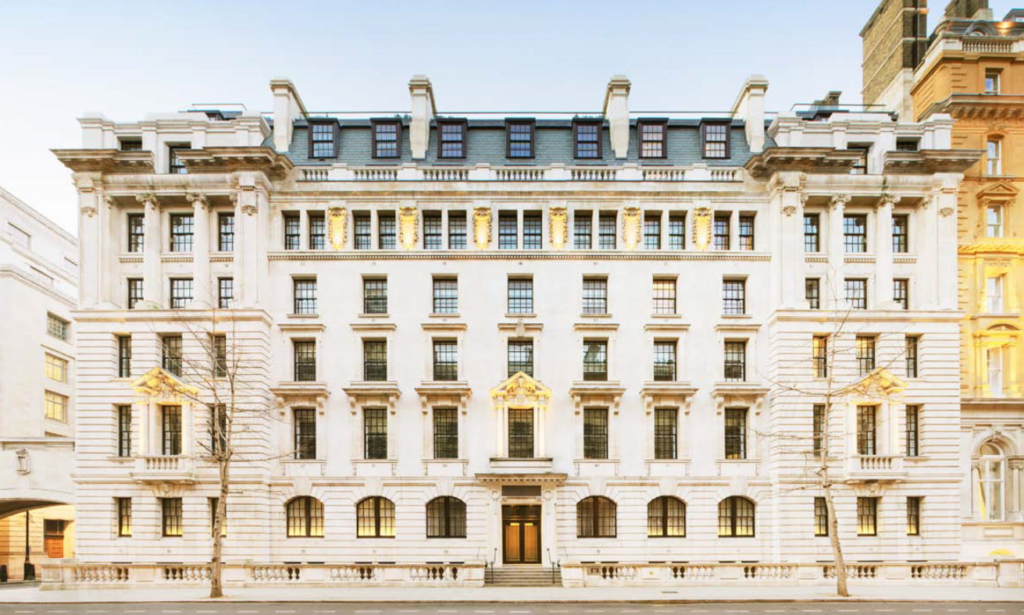
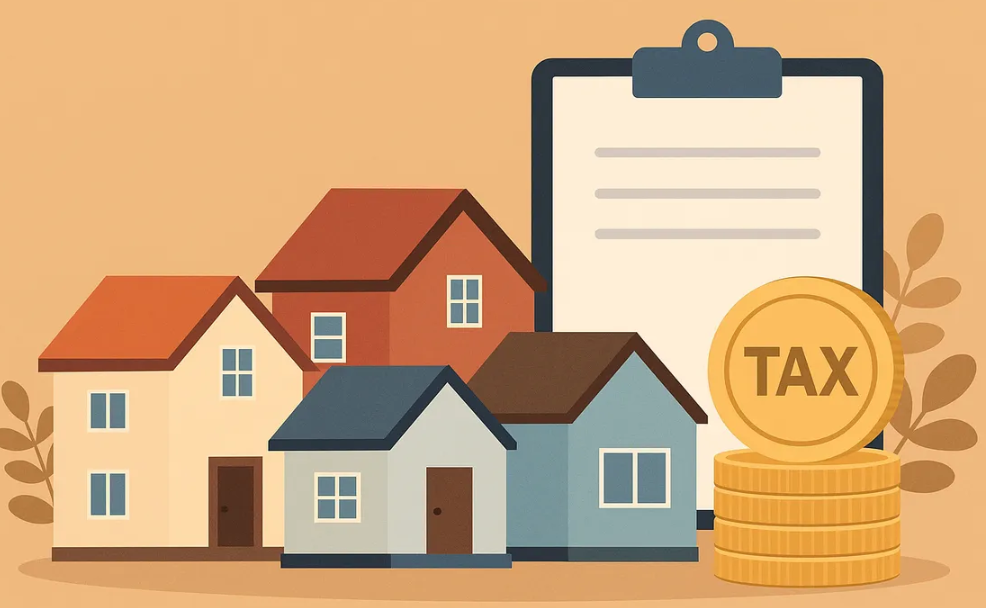
According to the Daily Telegraph and the Guardian, the budget announced by the government on the 26th included imposing additional local taxes on English real estate worth more than £2 million from April 2028.
Taxes added to the existing local taxes are divided into four sections, ranging from 2 million to 2.5 million pounds per year, the lowest in 2026, to 2,500 pounds per year for real estate, and 7,500 pounds per year for the highest in excess of 5 million pounds. These additional taxes, like existing local taxes, will rise annually in line with the Consumer Price Index (CPI) growth rate.
According to Bradshaw Advocates, the areas with the highest rates of housing over £2 million are expected to be most affected by taxes in the city of London and Westminster (29%), the traditional rich towns of Kensington and Baywater (27%), and the Chelsea and Fulham areas of London (16%).
Prime Minister Keir Starmer’s London Holborn and St. Pancras have the fifth-highest percentage. Nine of the 10 highest rates are in the constituencies of the ruling Labor Party.
In Richmond, London, a one-bedroom apartment costs 300,000 pounds, and most of the houses cost more than 2 million pounds. “It’s funny that (the rent) is not a mansion built in the 1930s,” said Nick Miller, the owner of the 2 million-pound home.
There is a lot of dissatisfaction among the elderly who have owned and lived in a house for a long time and have steadily increased their housing prices along with rising prices.
Philippa, a retired lawyer who has lived in a two-bedroom house in Kensington for decades, is “rich” on paper, but the annual cost of living is limited. “If additional taxes are imposed, we can pay it, but the burden will be very large,” he said.
The Telegraph reported that in addition to the already announced introduction of a 20% VAT (VAT) on private school fees, capital income tax and dividend income tax, it is another tax increase for the rich, and there are voices of reverse discrimination against southeastern England, such as London.
Former Conservative Treasury Secretary Philip Hammond pointed out that Labour and current Treasury Secretary Rachel Reeves are “trying to hit the same people again,” adding, “The policy of taxing the South East intensively and distributing the benefits across the country is controversial.”
Real estate agent Henry Pryor said, “No one in the industry believes that politicians will end up with this,” and warned of the possibility of further tax increases.
Some observers say that the tax effect will be insignificant compared to the large backlash. Additional local tax revenues for housing are expected to be £400 million by the fiscal year 2029-2030, when the next general election is scheduled.
But real estate experts warned that real estate prices could be adjusted just below the baseline for each taxable segment – 2 million, 2.5 million, 3.5 million and 5 million – and that other related tax revenues, including stamp duty, could be reduced as the market slows.
A report by the Office for Budget Responsibility (OBR) also predicted that related real estate tax revenues could be reduced by £335 million in the three years before the implementation of the new taxation system in 2028.
On the other hand, there is also a positive assessment of the imposition of the mansion tax.
In a column on the 29th, Philip Inman, a senior economist at the Guardian, called the move a “small but brave step,” saying that even though taxes, including real estate valuations, had to be reorganized after decades of silence, former governments, both Labour and Conservative, failed to reform due to votes.
“If we settle down, such a framework can be applied in the future,” he said, adding that he highly appreciated the possibility of further reorganization in the future.
SAM KIM
US ASIA JOURNAL

