


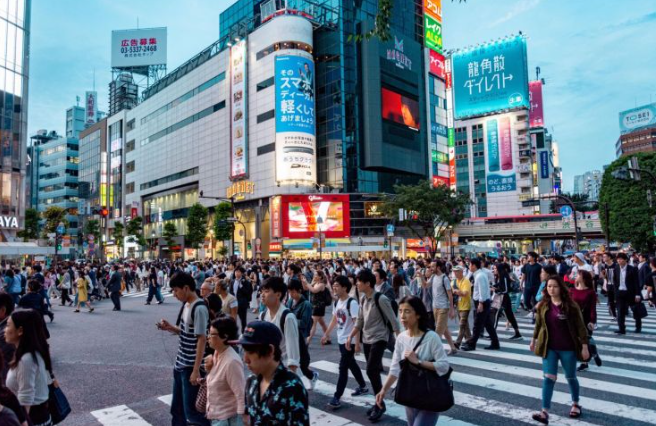
Japan’s Tokyo Metropolitan Government is pushing for a plan to shift the accommodation tax imposed on tourists using accommodation facilities such as hotels and hotels from the current fixed price method to the proportional accommodation rate method. If the system changes, the charge per night could more than double than before, which is expected to have a ripple effect on the lodging industry as well as tourists. According to the Yomiuri Shimbun and Nihon Keizai Shimbun on the 26th, Tokyo is currently considering revising the ordinance to change the current accommodation tax system, which is charged at 100 to 200 yen per night, to “3% of the accommodation rate.”
Since 2002, the Tokyo metropolitan government has levied 100 yen for accommodation fees ranging from 10,000 yen to less than 15,000 yen, and 200 yen for accommodation fees ranging from 15,000 yen to more than 15,000 yen. However, the government has started to introduce a fixed-rate system that can expand tax sources as related financial burdens have grown due to increased tourists.
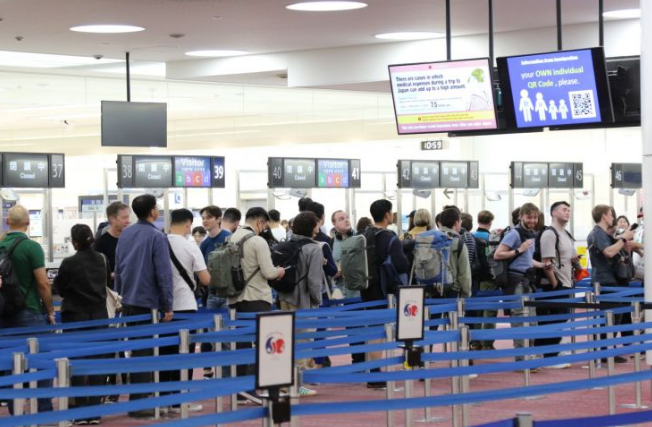
In addition, the Tokyo metropolitan government plans to raise the exemption limit for accommodation tax from “less than 10,000 yen” to “less than 15,000 yen.” The plan is to reduce the burden on low-cost guests such as school trips and business trips, while increasing the tax burden on ordinary tourists and high-priced hotel users. If the fixed rate system is introduced, the tax hike will be considerable. For example, if you stay at a hotel that costs 15,000 yen per night, the tax will jump from 200 yen to 450 yen. The Tokyo metropolitan government plans to apply the same accommodation tax to guest houses. The Tokyo metropolitan government has used the accommodation tax to finance tourism policies, but related expenses have increased due to the surge in tourists. The cost of the tourism policy for fiscal 2025 is estimated to be 30.6 billion yen, but the income of the accommodation tax is expected to be only 6.9 billion yen this year.
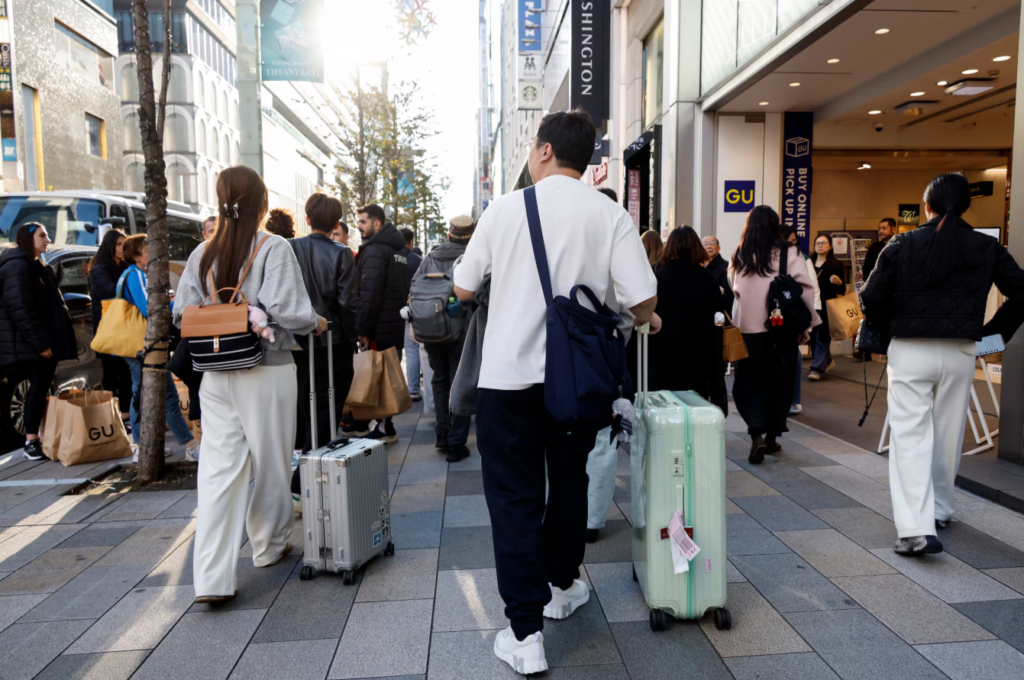
Regarding the fixed-rate system, the Yomiuri Shimbun said, “It is easy to respond to rising prices and can be taxed in response to high-end foreign hotels’ expensive accommodation fees,” but pointed out, “The burden on lodging companies to collect taxes directly will increase.”
After collecting opinions, the Tokyo Metropolitan Government will submit an amendment to the relevant ordinance to the provincial council in February next year and aim to implement it after April 2027. The fixed-rate accommodation tax in Japan was first introduced in November 2019 by Goodchancho near Niseko, Hokkaido, and Okinawa Prefecture is also seeking to implement it in April next year. The number of foreign tourists who visited Japan between January and October this year was 35.54 million, up 17.7% from the previous year. As the annual number of visitors is likely to exceed 40 million for the first time in history, the Japanese local government’s move to reorganize the tourism tax is expected to accelerate further.
Meanwhile, 8.82 million Koreans visited Japan last year. According to the Japan Tourism Organization (JNTO), among foreigners who visited Japan in the first half of this year, about 4,783,500 were Koreans, beating over China and Taiwan. The figure represents a 7.7 percent increase year-on-year.
EJ SONG
US ASIA JOURNAL

