


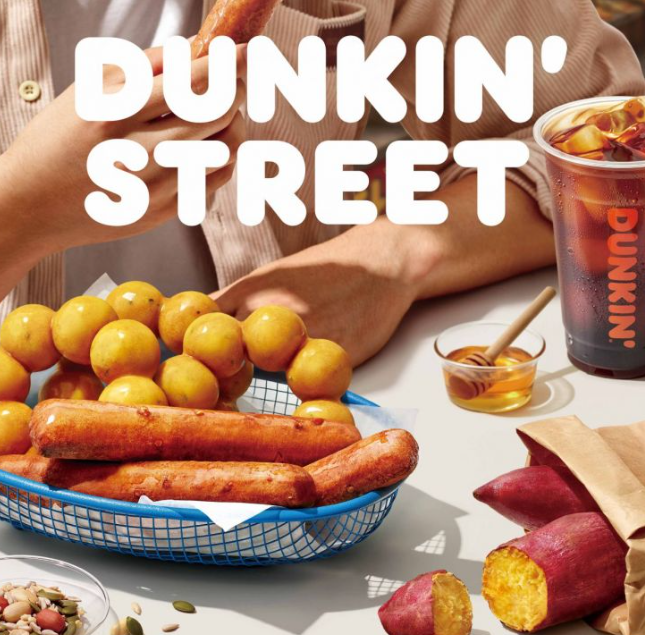
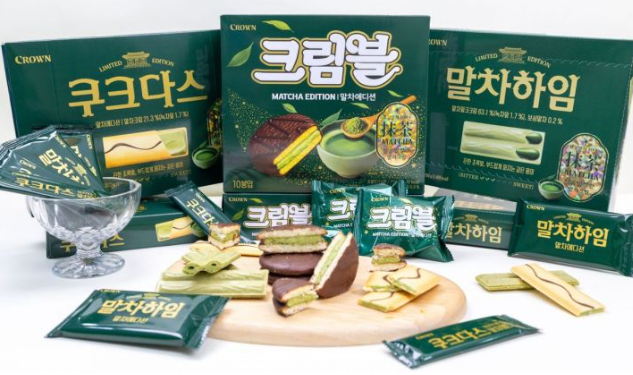
The snack market is also changing as the so-called “high-enriched consumption” trend, which values the meaning and enjoyment of a single choice rather than simple “consumption,” has become stronger. From season-limited products using seasonal ingredients to “Matcha Core” snacks reflecting the global matcha craze to experiential marketing in which consumers directly participate, the criteria for purchasing products are expanding beyond simple taste to “density of experience.” As a result, the food industry is also paying keen attention to which brands can secure lasting fandom. According to an analysis of F&B purchase trends by market research firm Embrain on the 22nd, “Steel Core” products, which emphasize seasonality, are emerging as a new box office formula in the retail industry. In particular, the demand for snacks using seasonal ingredients such as sweet potatoes and chestnuts showed a remarkable increase. As of September this year, the purchase estimate of “Sweet potatoes” related products sold at large supermarkets and convenience stores jumped 78.7% from the same period last year to 10.2 billion won. The number of products related to “Bam (Sun Night) also more than doubled from 1.4 billion won in September 2024 to 3.1 billion won in September this year. Analysts say that products that maximize the seasonal experience are attracting attention as the “scarcity” of experience and “consumption that is only possible now” emerge as important values. The spread of “Matcha Core,” which reflects global trends, is also noticeable. The purchase of matcha products, which have been growing steadily since the beginning of this year, peaked at 7 billion won in September. It is interpreted that the matcha craze, which started with Generation Z abroad, has become a symbol of “Clean Eating,” which values the natural taste and minimal processing of raw materials beyond simple trends. Another factor that drove the growth is the diversification of products such as ice cream, biscuits, snacks, and chocolate. As matcha core has recently expanded beyond food to overall lifestyles such as fashion, beauty, and interior, related trends are likely to continue for the time being.
The combination of participatory marketing has also boosted consumers’ choices. “Kancho,” a chocolate snack that sparked the popularity of the “Name Found Challenge” on social networking services, saw its purchasing price decline for a while, but it recorded 4.7 billion won (4.1 million U.S. dollars) in September this year, showing a 157.4 percent growth rate in a month. The main reason is that the method of finding names engraved on products and sharing them in photos and videos is expanded not only to individuals but also to relationships such as friends, family, and fandom, and content consumption has increased rapidly. Analysts say that marketing, which combines storytelling and play elements, has stimulated new demand.
The F&B industry believes that consumption is becoming more solid, with “what kind of experience it provides” becoming a core competitive factor, away from simply tasting products. While factors that stimulate consumers’ emotional satisfaction, such as seasonality, scarcity, and participation, determine the success or failure of the snack market, interest in what concept of products and brands will continue to secure interest and loyalty in the future is also increasing.
SALLY LEE
US ASIA JOURNAL

