


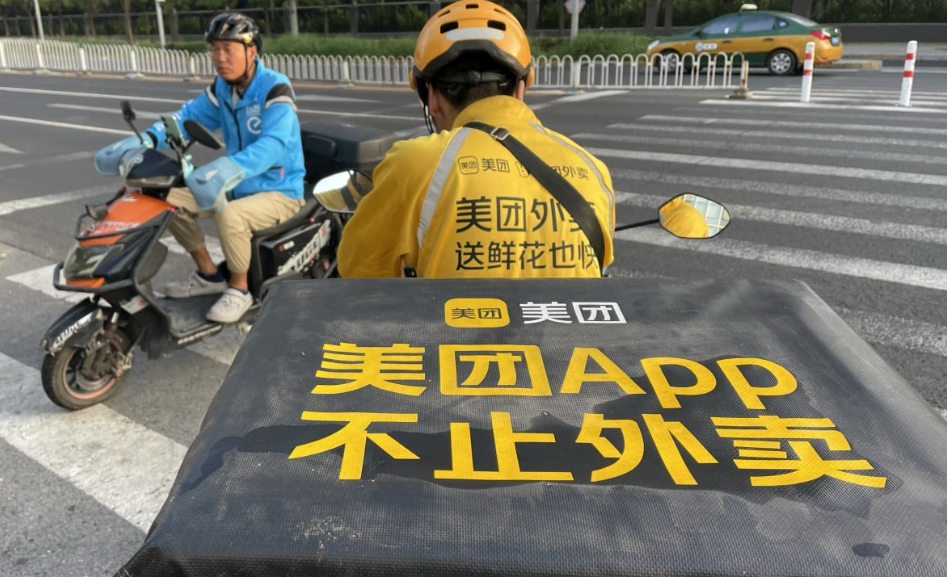
Meituan, China’s largest delivery platform, introduced special features for delivery workers in seven cities including Zhejiang and Xiaoxing last month. The feature allows customers to be blocked if they make rude demands. Each delivery person can block two customers a year. Customers are also on the list for evaluation.
Even on Chinese platforms, deliverymen’s services are subject to reviews and reviews. On Meituan’s delivery man page, a third party can check the on-time delivery rate, delivery distance, user review, and service satisfaction of the article. If the delivery is delayed, the delivery man will pay a fine, even if the customer does not leave a particular bad comment. If the rating falls due to bad criticism, the delivery man is disadvantaged in arranging the order and setting the fee.
Malicious customers who took advantage of this have become a social problem. If you look at social media, you can easily find delivery workers’ complaints that they were verbally abused, verbally abused, or insulted by customers. There is even an experience that they were retaliated for “late terrorism” when they refused requests to throw away food waste.
In some cases, deliverymen angry at the insult staged a collective protest. In August last year, a delivery man in Hangzhou damaged the railing while delivering across an apartment flower bed. When the security guard demanded compensation, the delivery man paid 200 yuan and knelt down, fearing that other deliveries would be delayed. When the video of this scene was released, other delivery workers from Hangzhou rushed to the apartment complex to protest. The deliverymen also threw water bottles at the dispatched police. The compensation for the handrails was paid by Meituan, a platform belonging to the delivery man.
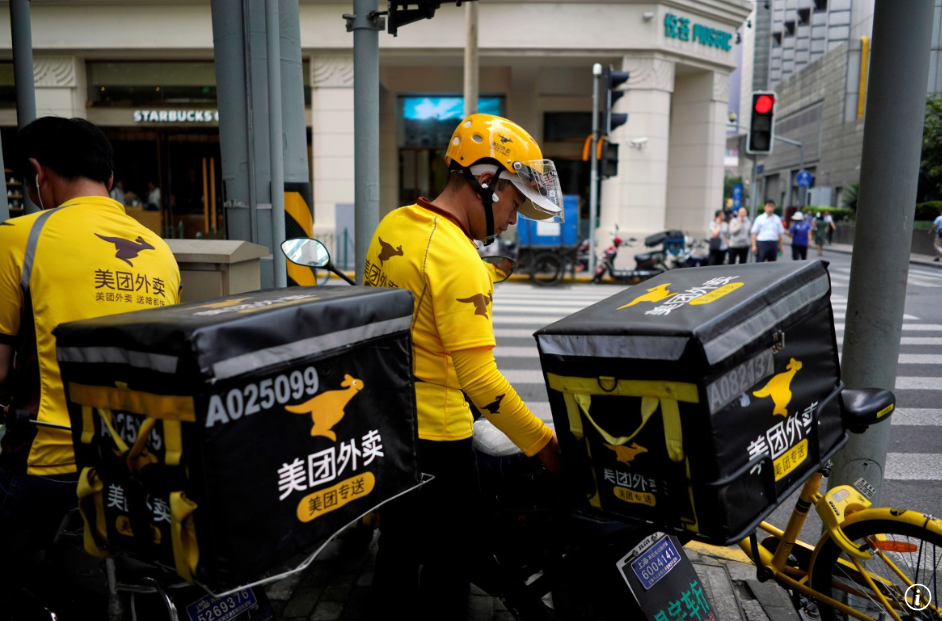
JD.COM, an e-commerce company, entered the food delivery business this year. JD.COM promised to hire full-time delivery workers and pay better social insurance premiums in February to secure “excellent delivery workers” and become competitive. What happened due to the overheating of the delivery market in the first half of this year was “0 won delivery,” which put the burden on restaurants.
According to China’s Internet Information Center and the National Bureau of Statistics, the number of delivery service users reached 545 million, with 13 million regular delivery workers belonging to the platform as of 2023. Delivery has absorbed unemployment during the COVID-19 pandemic and even accepted young people in employment difficulties, making it no longer a “passing job.”

The Chinese government considers the so-called “bare-eating competition” to be the biggest ambush in the Chinese economy and is calling for a solution. The anti-domestic policy is also specified in the 15th five-year plan, which is a mid-term plan between 2026 and 2030.
What is interesting is how China improves the social and economic rights of delivery workers. The government enacted the Unfair Competition Prevention Act, gathered representatives of delivery platforms to warn them, and arrested a former executive of delivery platform Urmer in July on bribery charges. It is said that independent unions that are not included in the party system are not allowed, but are creating a branch of the party delivery workers. Meituan responded by introducing a customer evaluation system for delivery workers.
It is the same in the world that a wide range of populations, including delivery workers, are in an economically unstable situation. In China, the idea that it will solve the problem with technology because it is exploitation due to technology rather than creating a conflict structure such as “platform versus worker” stands out. It is clear that the government is aware of the problem.
EJ SONG
US ASIA JOURNAL

