


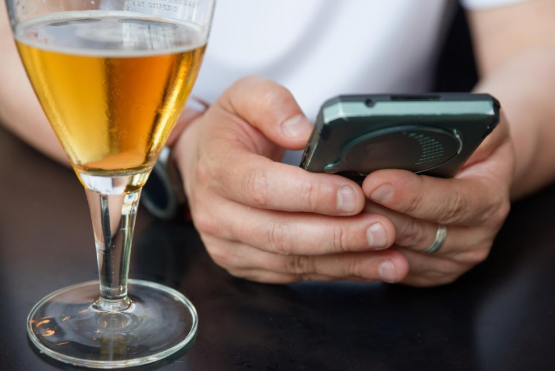
It is drawing attention in that it is a completely different mechanism of extracorporeal (terminal) from conventional alcohol-dependent treatment. Researchers at Virginia Tech Medical Research Institute published a study in the international journal Scientific Reports on Wednesday showing that GLP-1 (glucagon-like peptide-1) series obesity treatment helps slow the absorption of alcohol in the blood, reducing tipsiness and cravings.
The researchers divided 20 adults with BMI of 30 or higher into the experimental group who were taking GLP-1 drugs and the rest into the non-administrative control group. The participants visited the institute in a fasted state, ate the same snack bar, and measured blood pressure, pulse, blood sugar, and respiratory alcohol concentration (BrAC).
After that, alcohol drinks were made to be consumed within 10 minutes and self-reported the respiratory alcohol concentration and “how drunk you seem” (on a 0-10 point scale) three times for 60 minutes.
As a result, the rate of increase in respiratory alcohol concentration in the GLP-1 group was clearly slow, and the percentage of respondents who answered that they were “less drunk” was higher than that of the non-dose group. The research team explained, “GLP-1 drugs slowed the speed of alcohol moving from the stomach to the bloodstream, resulting in lower intoxication and alcohol cravings.”
Professor Alex DiFeliceantonio, who led the study, said, “Drinking a glass of wine slowly and a glass of whiskey at once are completely different. In both cases, the alcohol content is the same, but the brain’s response is different due to the difference in the rate of increase in blood concentration.”
He added, “If GLP-1 drugs slow down this pace, the brain action of alcohol itself can be alleviated, leading to less drinking.” Existing alcohol-dependent treatments such as naltrexone and acamprosate directly inhibit the brain’s compensation circuit by acting on the central nervous system. On the other hand, GLP-1 drugs are different in that they indirectly suppress alcohol intake through peripheral metabolic pathways such as delayed gastric discharge.
This is an example of a new approach of ‘metabolic control’ in alcohol-dependent treatment, the researchers said. “It can be extended to an alternative treatment strategy with fewer brain-nervous system side effects.”
The study is a small preliminary study with only 20 participants, and the researchers acknowledged the limitations but said, “As clear differences between the two groups have been identified, we can provide key initial data for the design and development of large-scale clinical trials in the future.”
However, indiscriminate use of GLP-1 drugs can lead to side effects. The Ministry of Food and Drug Safety said, “If gastric emptying is administered in high doses from the beginning, the risk of acute pancreatitis may increase along with gastrointestinal disorders such as vomiting and abdominal pain,” adding, “You must follow the doctor’s prescription and dose guidelines.”
JULIE KIM
US ASIA JOURNAL

