


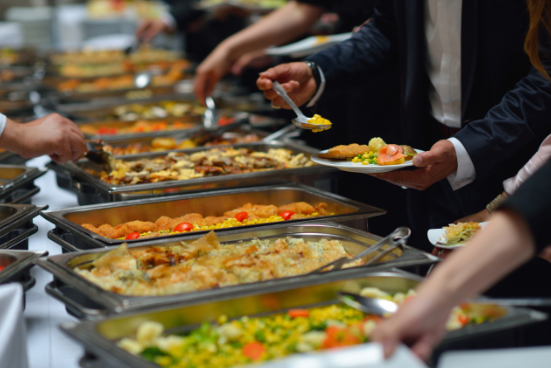
After the COVID-19 pandemic, more office workers come to the office, and a trend to strengthen ’employee restaurants’ is spreading among Japanese companies. Due to the expensive dining out expenses, such as well over 10,000 won per lunch, some office workers skip lunch altogether.
The Yomiuri Shimbun detailed examples of Japanese companies strengthening employee restaurants on the 13th.
According to reports, the cosmetics giant L’Oreal of Japan has switched its traditional style menu centered on rice bowls and pasta to a buffet style since late September. It offers a plate of more than 10 kinds of fresh vegetables, chicken and fruits directly imported from the countryside for 550 yen.
As employees commented, “The nearby restaurant is too crowded to be comfortable,” “cheap and satisfying lunches are rare,” and “I want a vegetables-rich diet,” the company started to improve itself. A company representative said, “Many employees are using it, so the response is good.”
CNC, a corporate catering company in charge of operating the restaurant, has signed contracts with 10 farms in Chiba Prefecture to receive food ingredients at low cost. It currently operates restaurants exclusively for L’Oreal, but plans to expand to 50 companies by 2027.
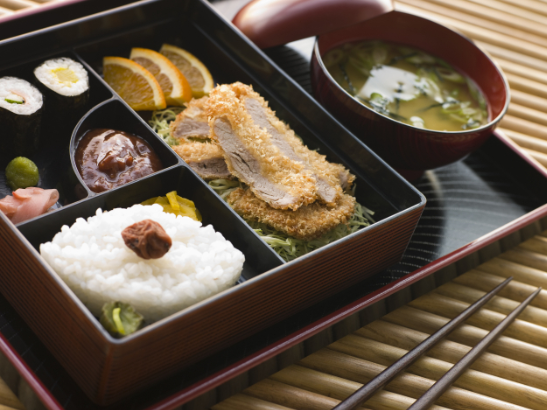
Fasoru Holdings, a large talent service company, also reopened its in-house restaurant in June this year after five years of closure during the COVID-19 pandemic. In addition to easing the price burden, the measure is aimed at reviving exchanges between employees, which have been reduced by working from home. Since September, restaurants have been opened twice a week at night, serving alcoholic beverages together.
According to market research firm Fuji Economy, the size of the in-house restaurant market in Japan decreased by 20% year-on-year to 909.6 billion yen in 2020 when the COVID-19 spread. However, after the end of the pandemic, the recovery continued, reaching 972 billion yen in 2024.
Yomiuri interpreted that as the trend of returning from working from home to working at the office is growing, more companies are trying to strengthen and operate in-house restaurants as part of welfare benefits.
Meanwhile, according to a survey conducted by the ‘Hot Pepper Grume Food Service Research Institute’, the average lunch budget of Japanese office workers this year was 1,250 yen, rising for the fifth consecutive year. In 2020, it was more than 200 yen higher than 1,039 yen, and 24% of workers did not eat lunch at all.
In an interview with Yomiuri, Tsuyuki Miyuki, a professor at Teikyo University, said, “Companies are required to protect their employees’ lives and health at a time when households are under pressure due to rising prices. There is also a possibility that in-house restaurants will expand as a place for communication between employees.”
SAM KIM
US ASIA JOURNAL

