


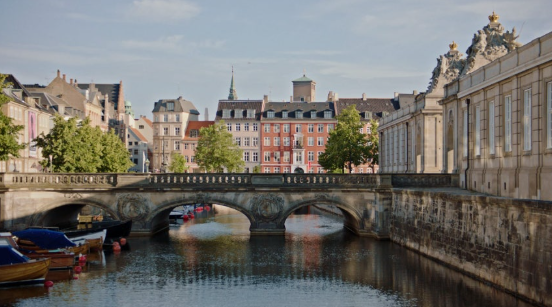
Denmark, a small Nordic country, is emerging as a new destination. In particular, Copenhagen, the capital city, has transformed into a so-called “city for daily travel,” and it seems to be gaining popularity as an experiential tourist destination, providing various options for tourists to stay like locals. Denmark, which borders Norway and Sweden to the north and Germany to the south, is a small country half the size of South Korea, and has been steadily increasing tourism demand recently. According to the Danish Statistics Office, the total number of nights spent in Denmark last year was more than 65 million, up 2.1 percent from the previous year, the highest ever.
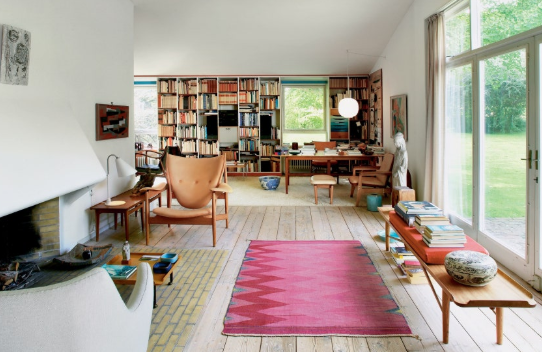
Earlier, Copenhagen declared the “end of tourism” in 2017 and has been reorganizing the city under a strategy to make tourists a “temporary resident.” The key is to design it so that tourists can naturally explore the city atmosphere so that they can feel themselves as part of the community. According to Nordrejio, a Nordic research institute, Copenhagen recorded 11.1 million annual nights in 2024, a 7% surge compared to the previous year. In particular, Copenhagen is characterized by designing infrastructure so that tourists can naturally permeate the city based on sustainability. Copenhagen, for example, has built a 382km-long bicycle-only road, allowing people to ride throughout the city with only bicycles without traffic jams, and operates bicycle rental services in cities and hotels. The eco-friendly incinerator “Copen Hill,” which has ski slopes installed on rooftops, allows eco-friendly policies and civic leisure to blend in one space, also showing the city’s unique characteristics. In addition, tourists can directly contribute to urban development through the reward program “CopenPay,” which allows them to pick up trash and receive boat rental fees or obtain museum tickets through public transportation.
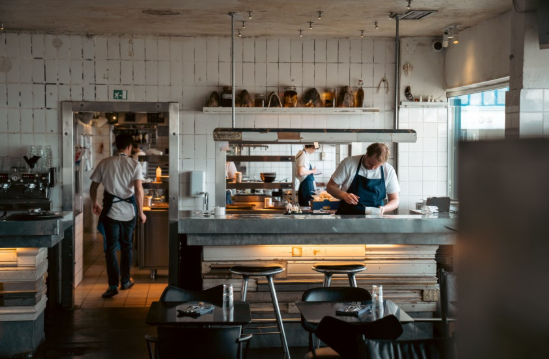
Design and architecture are also considered competitive edge of Copenhagen. Life-centered design, which embodies Danish modernism, is incorporated throughout the city, such as a complex cultural space called “BLOX” and a curved pedestrian bridge. Nyhavn Canal, which means “new port” in Danish, is also a landmark representing Copenhagen and is known as a historic attraction where visitors can see colorful buildings through cruise ships. Food culture is also attracting attention as a leading factor in tourists. Copenhagen’s charm is that it is possible to access the home-style menu, such as sm ø rrebr ø, in restaurants, bistros, and food markets throughout the city. In particular, since the 2000s, “New Nordic Cuisine,” which embodies purity, simplicity, and freshness as a seasonal ingredient, has gained popularity, leading to a variety of Nordic restaurants in Copenhagen. Noma, a legendary fine dining restaurant that was ranked No. 1 in the world’s 50 best restaurants in 2010, is also famous for growing up in Copenhagen.
Spending time in Copenhagen is an experience of finding something special in everyday life, the Copenhagen Tourism Authority said. “I hope you enjoy Copenhagen and Denmark itself through a hands-on experience beyond just looking at it.”
JULIE KIM
US ASIA JOURNAL

