


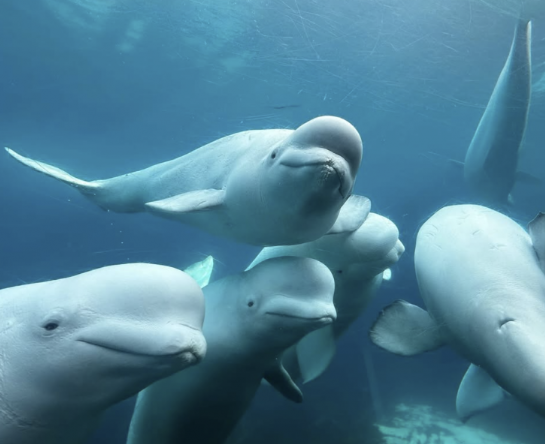
The BBC reported on the 12th that Marine Land near Niagara, southern Ontario, Canada, asked the government for support when it was denied permission to sell belugas to China amid financial difficulties.
Founded in 1961, Marine Land was once considered a popular tourist destination in Canada. However, in recent years, suspicions over animal cruelty and financial difficulties have combined, putting the island on the verge of extinction.
According to Canada’s CBC News, a total of 20 animals, including one killer whale and 19 beluga, have died in Marine Land since 2019. Marine Land explained that it was due to natural lifespan, but the Ontario Animal Welfare Department conducted more than 200 field surveys since 2020 and concluded that “the marine life is under severe stress due to poor water quality.” Despite the improved water quality, he was convicted of animal cruelty in the same year due to environmental issues in breeding black bears. Among them, Marine Land, which suffered from financial difficulties due to a sharp drop in tourists, requested permission from the Canadian government to sell 30 belugas to China, but was rejected. Fisheries Minister Joanne Thompson refused to grant permission, saying, “Even in China, belugas will be treated as mere means of entertainment.”
In response, Marine Land said, “If the government does not support it, we have no choice but to euthanize it,” and the official letter obtained by the BBC included the phrase “This situation is a direct result of the government’s decision.”
“Marine Land, which has kept belugas for years, cannot pass on the responsibility of failing to come up with an alternative,” Thompson said. Phil Demers, who served as Marine Land’s chief trainer for 12 years, told the BBC, “There are few facilities other than China that can accommodate 30 animals at once. We need to move them out of Marine Land as soon as possible.” He suggested a realistic alternative to various aquariums in the U.S. distributing some individual animals.
Some experts and organizations argue that Ontario should step in and protect the belugas. Under the “Ontario Animal Welfare Act” (PAWS Act), the state can seize facilities and charge owners for maintenance if the animals are in crisis.
Colin Saravanamutu, executive director of the World Animal Protection Organization, said, “The game of handing over responsibility between Marinland, state and federal governments is unacceptable,” and emphasized that “Ontario Governor Doug Ford should step up immediately.”
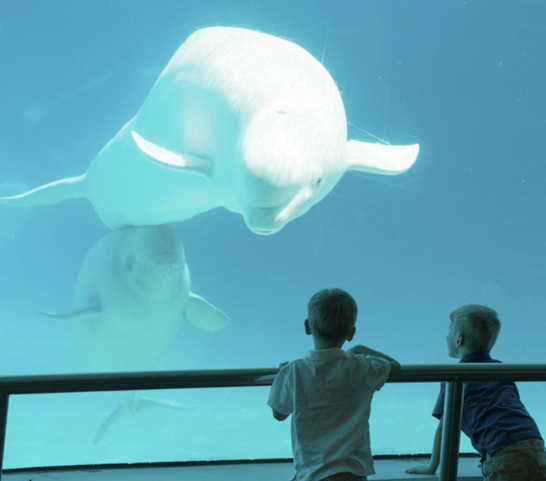
The Whale and Dolphin Conservation also asked Governor Ford to conduct an independent veterinary assessment of each beluga to ensure that “all individuals have humane and merciful results.” The group’s proposed solution is to transfer to the Whale Sanctuary Project in Nova Scotia, Canada.
However, the facility is scheduled to be completed next summer, and the maximum number of animals can be accommodated is only 8 to 10. “There is no shelter that can be accommodated today or tomorrow,” project CEO Charles Binnick told the BBC.
While various solutions are being discussed, Marine Land’s “threat to comfort women” is likely to be a pressure statement rather than a practical action. Demers said, “The comfort women’s story is nothing more than a bluff.” However, he said, “There is not much time for these animals to be moved to a better environment. We desperately need cooperation from various organizations and the government for the lives they deserve.”
Meanwhile, the status of the belugas is currently unknown. Marinland did not respond to inquiries from the BBC.
JULIE KIM
US ASIA JOURNAL

