


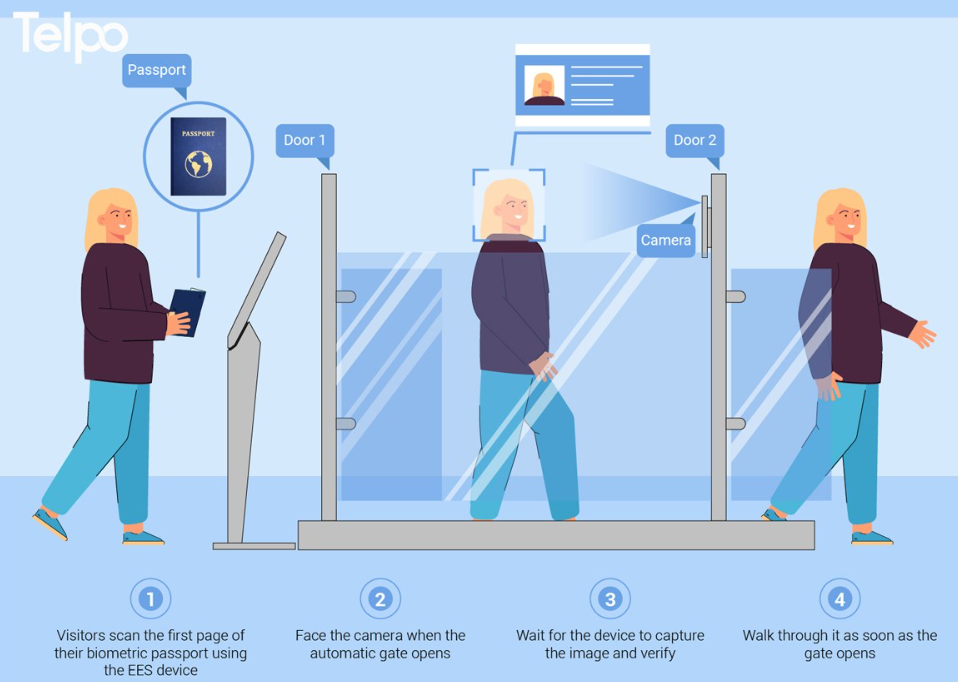
Starting next month, the new immigration system (EES) will be applied when non-EU nationals visit the Schengen area of Europe.
According to the BBC on the 24th, the EU will introduce EES to 29 countries in the region from the 12th of next month. It plans to gradually expand the system for six months and apply it to all borders by April 10 next year.
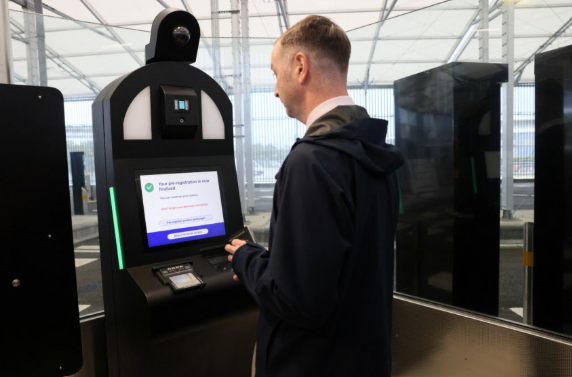
The EES is a digital system for short-term non-EU countries, including the UK. It was implemented to track those entering and exiting the Schengen area and to prevent long-term illegal stays, use of disguised identity, and abuse of the visa waiver system.
Visitors are required to scan their passports and register information such as fingerprints and photos when they pass the border. In case of passing the border more than once using the EES, information is already registered, and the passport examiner checks only the fingerprints and photos. The registered information is kept for three years.
The EES is designed for smooth travel, but the waiting time may be extended during the first registration process. The EU plans to introduce the European Travel Information Certification System (ETIAS) based on the EES. ETIAS will be implemented from the end of next year and will be effective for three years with a fee of 20 euros per application. Applicants under the age of 18 or over 70 do not have to pay a fee.
SALLY LEE
US ASIA JOURNAL

