


This is because corrugated cardboard is used to deliver products ranging from pizza to home appliances, so it is considered an indicator of U.S. consumer sentiment. The Donald Trump administration’s tariff policy and the housing market downturn are also analyzed to have affected the weak demand for corrugated cardboard.
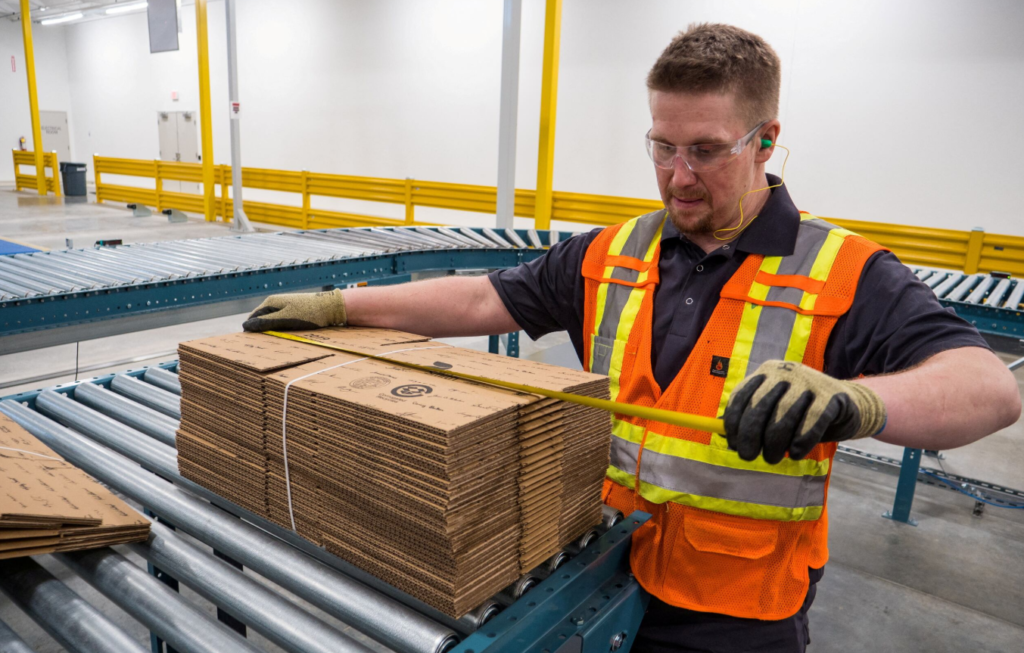
According to the Wall Street Journal (WSJ) on Monday, shipments of corrugated boxes in the U.S. were at their lowest level since 2016. On a per capita basis, the drop was even greater. Corrugated box shipments per capita have recently fallen to less than 1150 square feet, representing a drop of more than 10% compared to the COVID-19 pandemic in 2020.
“During the pandemic, demand for boxes increased on record as Americans spent more time at home and product consumption soared as a stimulus measure,” the WSJ said. “We expected demand for corrugated cardboard to continue to increase as products were delivered directly to homes due to the development of e-commerce.”
However, contrary to expectations, the industry analyzes that the demand for corrugated cardboard has declined too early. Box manufacturers and industry analysts take it as a sign that uncertainty caused by President Trump’s tariff policy has dampened business activity and that Americans’ consumption has slowed. Even if a pizza is delivered, a reduced demand for corrugated cardboard is used because it can be interpreted as a contraction of consumption activity.
The housing market has also slumped, reducing demand for moving boxes, building materials and home appliance packaging, the WSJ noted.
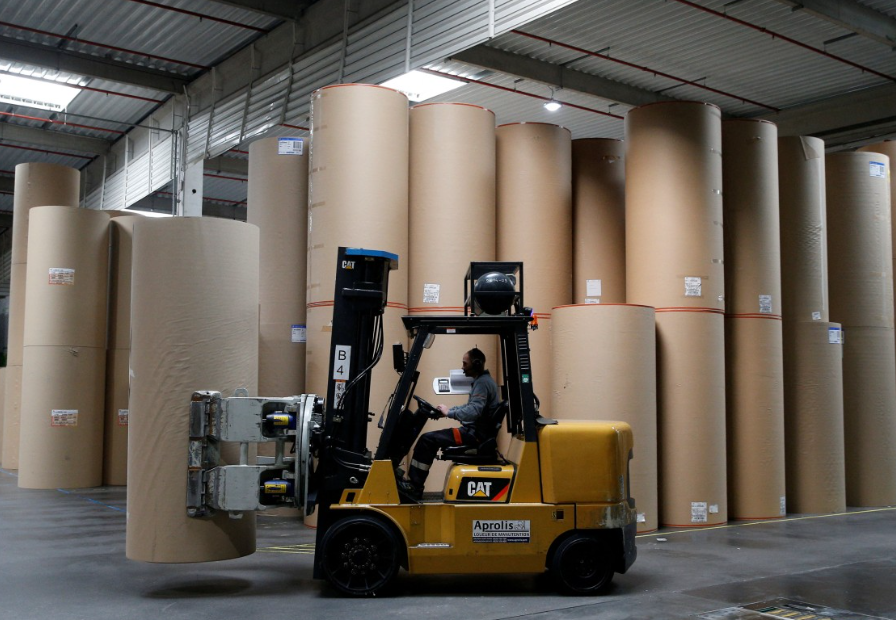
In response to falling demand, paper companies have begun restructuring. The largest U.S. box manufacturer, International Paper, said last month that it would close two paper plants in Georgia that produce container boards (the raw materials for cardboard packaging). When the plants close, they will reduce the production capacity of the entire U.S. container boards by 9 percent. This is twice the amount of production that was reduced due to factory closures during the 2009 global financial crisis.
SAM KIM
US ASIA JOURNAL