


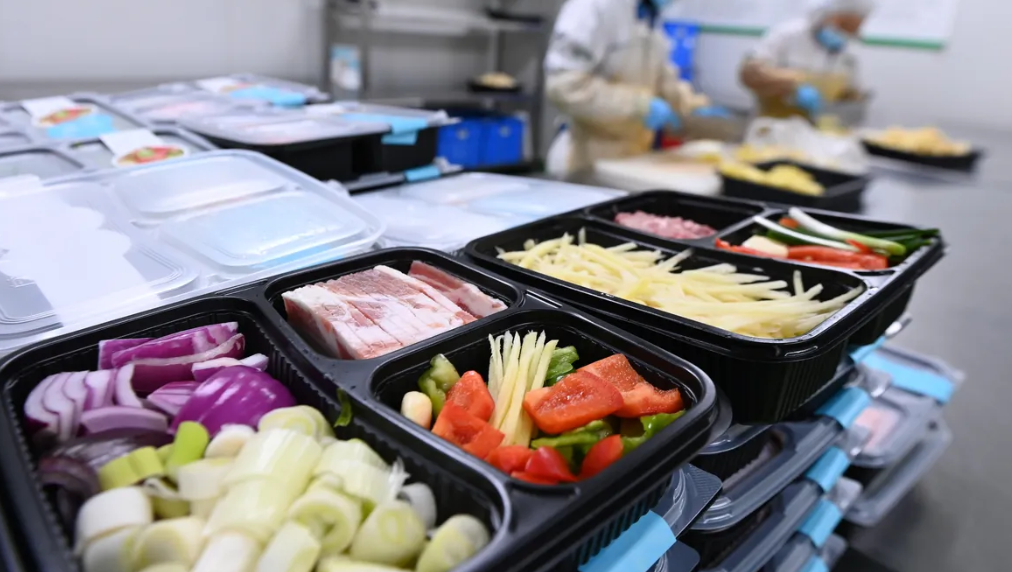
Anyone may have felt as if they served frozen food at a restaurant at least once. Recently, however, a Chinese influencer started to make the issue public. It is the so-called ” pre-prepared meal.” Citing state-run media such as China’s Central Television (CCTV), Xinhua News Agency, and the People’s Daily’s English newspaper Global Times, Yonhap News Agency reported on Wednesday that “a heated debate in China over whether the restaurant should inform customers whether the food they provided was cooked in the kitchen or just heated up the cooked product.”
According to the Global Times, Chinese influencer Luo Yonghao criticized on the 10th, “The dishes of ‘Shibei’, a famous Chinese restaurant chain, are almost Wiz difference, but the price is too high.” Then, the next day, the founder of Shibei refuted, “According to national regulations, none of the dishes made by Shibei restaurants are Wiz difference.”
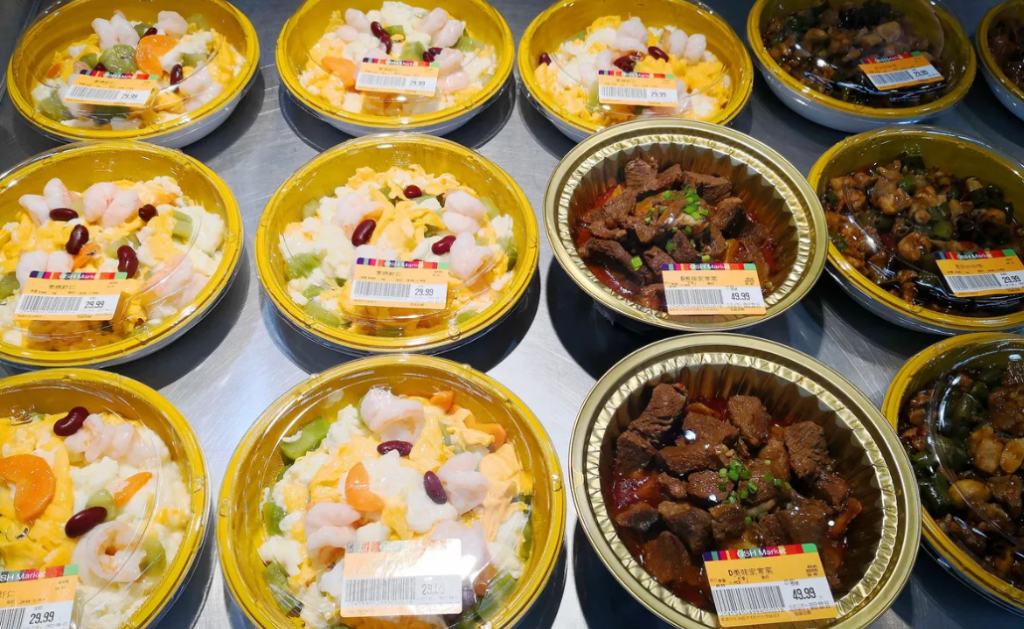
In China’s large restaurant chains, it is common to use pre-prepared meal. Xinhua cited industry insiders for two reasons. First of all, many stores are limited in the use of firearm or handling raw meat, so it is safer to use simple food or ingredients prepared at the central headquarters. In addition, for some cold vegetables or pickled menus, using pre-cooked ingredients can reduce costs, enhance flavor, and increase turnover, thereby increasing efficiency and customer satisfaction.
However, pre-prepared meal is still controversial. Small restaurants have difficulty guaranteeing food safety, making it easy to lose trust. In addition, unsanitary conditions often occur when heating pre-prepared meal, and consumers equate it with low-quality food. Some restaurants have infringed on their rights as they often turn microwave-heated food into “instant-cooked” dishes and sell them at high prices.
Critics point out that the lack of a clear definition and standard for pre-prepared mealis aggravating consumer confusion. CCTV published an article titled “What on earth is pre-prepared meal?” on the 14th and reported on how to strengthen food safety supervision of convenience food dishes, which is at the heart of the controversy. CCTV stressed that strict management is needed, such as restricting the use of food additives and raising the entry threshold for industries that produce semi-finished or finished products. China’s National Hygiene and Health Commission has established national food safety standards related to pre-prepared meal, and the draft has passed expert review, and will be released soon.
JULIE KIM
US ASIA JOURNAL

