


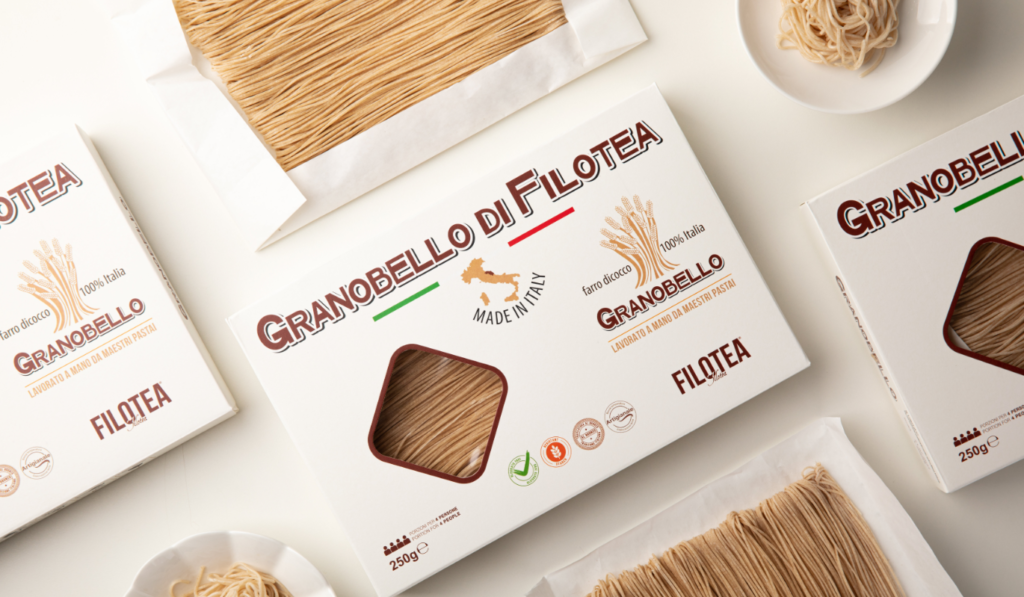
As awareness of healthy eating habits increases, more and more people want to change their daily meals and staples into something a little healthier. Since most of the white rice and noodles that are eaten on a daily basis are made of refined carbohydrates, they are easy to rapidly increase blood sugar, cause obesity, and indigestion. Therefore, in recent years, a low-speed aging diet that tries to change a refined carbohydrate-oriented diet to a low-carbon grain has been popular, and in line with this trend, “blue noodles” are attracting attention.
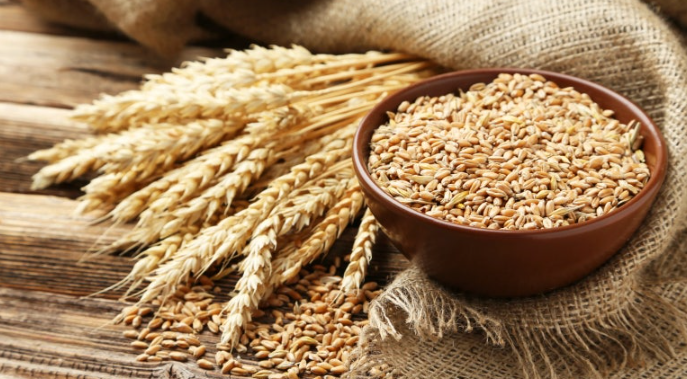
It has been recognized that cotton food can easily become obese or high in blood sugar because it often goes through the purification process several times. However, thanks to the characteristics of whole-grain paro, paro noodles can ease the burden on blood sugar and body fat, making them a new alternative that can capture both health and taste. In fact, paro noodles are known as a premium dish that was specially served when welcoming precious guests in ancient Italy 600 years ago, adding to its historical class. Paro noodles, made only of whole-grain paro, are rich in resistant starch, which helps prevent blood sugar from rising sharply after meals. Because resistant starch is slowly absorbed by the small intestine and digestion progresses, it reduces concerns about blood sugar spike and excessive insulin secretion. It is also expected to maintain a sense of fullness for a long time, preventing unnecessary snacks and overeating, and preventing body fat accumulation. There is a common prejudice that healthy food is tasteless, except for paro noodles. The noodles look thin and look like noodles, but after boiling, they are much more elastic, and the more you chew, the more savory and subtle the flavor comes to life. This makes it a great combination with a variety of sauces.
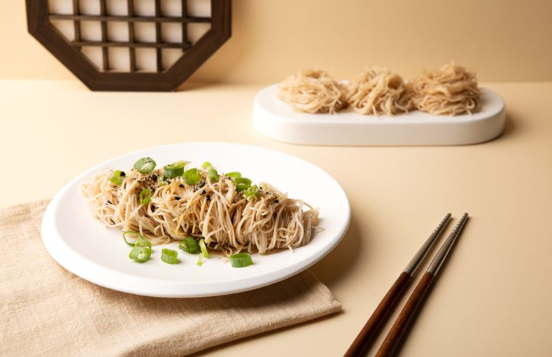
It also maximizes sauce absorption by roughening the surface of noodles using the traditional Italian method called “bronze extrusion.” Thanks to this, it goes well with everything from simple pasta such as aglio e olio to deep ragu sauce and Korean seasoning.
In fact, Chef Kim Mi-ryeong, famous for her emokase, introduced spicy kimchi noodles and perilla oil noodles using paro noodles, while other chefs also revealed various recipes such as cheese pasta, Japanese ramen, and egg pasta, acknowledging the texture and taste. The cooking time is short, and it goes well with any Korean, Japanese, and Western food, so it is good to use it as a great substitute for existing noodles at home. The rapid rise in blood sugar after meals causes an increase in free oxygen in the body, which is a major cause of promoting aging. However, Paro-myeon is emerging as the answer to a new low-speed aging diet with health, taste, and texture, as well as the historical class of “a precious guest gift 600 years ago.”
JULIE KIM
US ASIA JOURNAL

