


China’s food delivery platforms to Brazil are competing overheated, and litigation is taking place three times in a month.
According to Reuters and Chinese media Hongseong Shinmun on the 23rd, Didi-affiliated “99Food” filed a lawsuit against Meituan-affiliated “Keeta” in a court in Sao Paulo, Brazil on the 18th on trademark infringement and unfair competition.
Didi is China’s largest mobile carrier. It took over a local mobility platform in Brazil and withdrew from the market, but 99 Foods has re-entered the delivery platform business this year. In addition, Qita of Meituan, China’s No. 1 delivery platform maker, officially announced its entry into Brazil this year, sparking a full-fledged conflict.

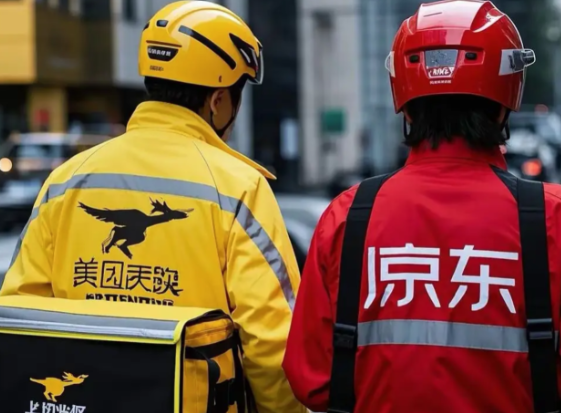
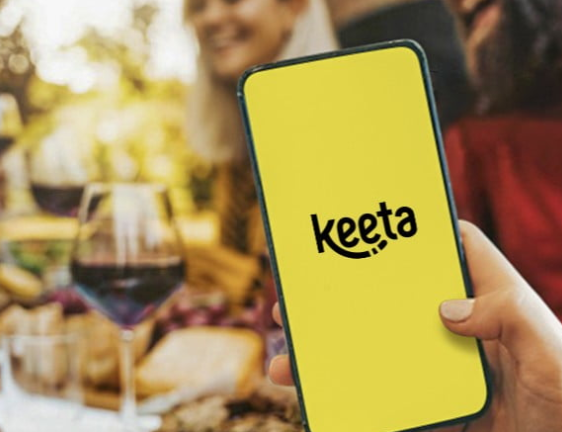
99 Foods says its design is very similar to 99 Foods, including the brand logo and color of Kita, which launched the service later than them. It took issue with the fact that the color of the rider’s bag is yellow and that the “ee” of the “Keeta” logo looks like “99” if reflected in the mirror.
99 Food officially asked the court to change its logo, saying, “Many visual similarities such as color, graphic, and font cause unnecessary confusion to consumers,” adding, “Kita is trying to capitalize on the success of 99 Food.” However, Kitta counters that it has been using yellow color in Meituan for a long time. “Our logo and color have been used in Meituan for more than 14 years and in Kitta for more than three years,” Kitta said in a statement to Reuters.
Some say that 99 Food’s lawsuit is a counterattack to Kita’s two previous lawsuits in Brazilian courts against 99 Food.
Kita filed a lawsuit on the 8th of this month, saying that searching for Kita on the portal site Google exposes 99 food advertisements, causing confusion among consumers. The court ruled in favor of Kita on the 11th, and 99 food bought keywords at a high price so that they could not advertise them.
On the 14th, Kita filed another lawsuit against 99 Foods for paying upfront to prevent Brazilian restaurants from cooperating with Kita and monopolizing the market. The results of the case have not yet been released.
Tensions among local Brazilian companies are also rising amid aggressive competition between 99 Foods and Kita. iFood, a native company that occupies 80% of Brazil’s delivery platform market, delivered its largest investment plan ever worth more than 4 trillion won against the offensive of Chinese companies.
EJ SONG
US ASIA JOURNAL

