


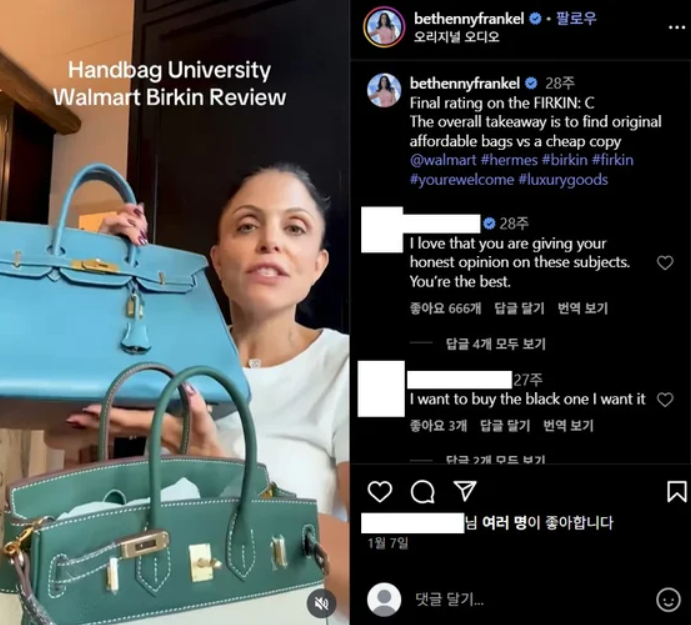
Major luxury goods industries plunged into recession this year following last year. Attention is focusing on consumption of Generation Z (born in the mid-1990s to 2012), which has decreased due to sluggish sales.
The Wall Street Journal (WSJ) reported on the 27th (local time) that the net profit of LVMH, a French luxury brand with Louis Vuitton and Dior, fell 22% in the first half of this year from the previous year. “It is unusual that the luxury industry, which once grew at twice the rate of global economic growth, has been sluggish for two consecutive years.” LVMH shares also fell 23% this year. Italian luxury brand Moncler also saw its sales fall 1% in the second quarter compared to the same period last year.
Experts say this is due to structural factors such as “the departure of the younger generation” beyond the simple economic downturn. According to a recent report by international consulting firm Bain & Company and Italian luxury brand association Altagamma, the luxury goods market temporarily fell by 1 percent last year and is expected to shrink by up to 5 percent this year as well. “Luxury consumption of Generation Z fell by 7 percent last year, the biggest drop among all generations,” the WSJ reported. The WSJ pointed out that supply chain problems of luxury brands and cases of excessive price hikes are rapidly spreading through social media, shattering the fantasy of Generation Z. The aggressive price hikes of luxury handbags during the pandemic have caused “price fatigue” among consumers, and complaints have been raised that companies are active in price hikes and marketing while neglecting security investments. Following Dior, Tiffany & Co., and Carty last month, Louis Vuitton was attacked by hackers, causing customer personal information to be leaked to the outside world. Lofiana, an Italian affiliate of LVMH, was designated as a subject of judicial management for one year by a court in Milan, Italy, amid controversy over poor labor environment management through subcontractors.
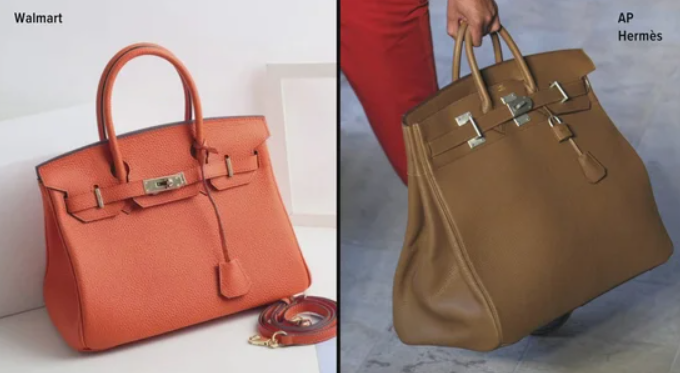
In short, Generation Z values cost-effectiveness and value consumption. This change reflects the emergence of “dupe” consumption, which hit SNS early this year, as a global trend. For example, an increasing number of people in the U.S. are buying Walmart’s Walkin Bag, which has a similar design but costs one-hundredth of the price, while Daiso’s so-called “mid- and low-priced Chanel lip balm” was also sold out in Korea. Generation Z, which does not prefer colorful logos, noted the quality of its products as its main appeal. According to The RealReal, a U.S. resale platform, searches for “Quiet Luxury” brands surged 29% in 2022. Quiet luxury brands mean high-quality brands that do not have logos, such as The Row and Bottega Veneta. British Vogue pointed out, “For Generation Z, which considers product sustainability more, we continue to invest in well-made products over time in the uncertain economic era.”
Federica Levato, partner at Bain & Company’s consumer goods division, said, “[Generation Z] is more attracted to brands that clarify the reason for their existence and their value of support,” adding, “As the industry faces a complex global environment, luxury brands have reached an important turning point in their relationship with the new generation.”
JENNIFER KIM
US ASIA JOURNAL

