


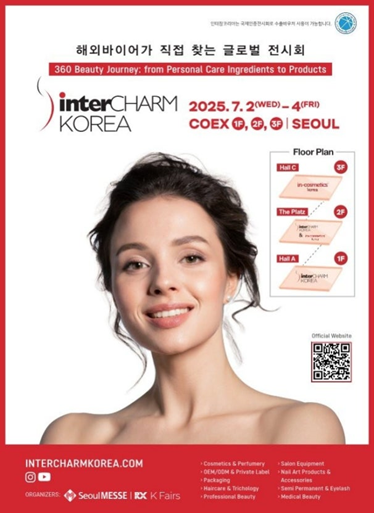
InterCHARM Korea 2025, a global beauty industry exhibition that offered a glimpse into both the present and future of beauty, was held from July 3 to 5 at COEX in Samseong-dong, Seoul. This year’s event moved beyond simple product strength and trend showcasing to highlight a new competitive landscape shaped by sustainability, technology, and philosophy. Far from being a mere trade show, it served as a condensed reflection of how the beauty industry’s terrain is evolving.The exhibition welcomed over 420 companies from 23 countries, making it the largest edition to date. More than just a display of cosmetics, the venue felt like a global stage where each country’s distinct beauty strategies were on full display.
Korean brands once again demonstrated the strength of K-beauty, aligning with ESG trends by promoting vegan-certified, low-irritant, and refillable clean beauty lines. Even smaller brands earned praise from international buyers for their strong product quality and compelling brand storytelling.
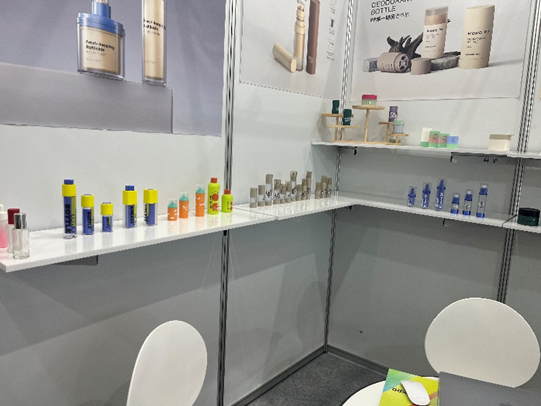
One notable aspect this year was the strong presence of Chinese companies, many of which showcased a shift in strategic direction compared to previous years. While AI-based skincare diagnostics still featured prominently, there was a distinct emphasis on eco-friendly packaging technologies. These included recyclable single-material packaging, label-free designs, and biodegradable bio-plastic packaging—indicating a clear push toward innovation in sustainability.
Among these, airless packaging technology stood out the most. A representative explained that in today’s global market, packaging must now meet demands for both recyclability and hygienic safety. Airless technology, they added, is expected to see increasing demand particularly in the high-performance skincare sector.Across the venue, global export consultations and hands-on experience zones were held in parallel, transforming the exhibition into more than just a showcase—it became a platform for business and international networking.
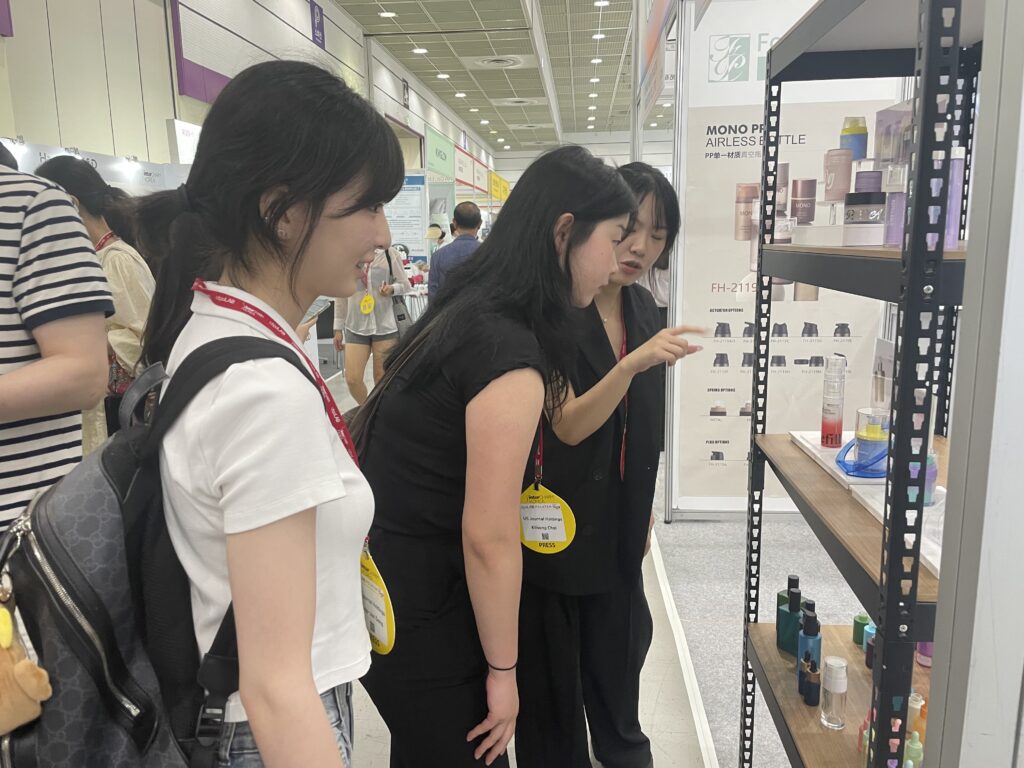
Walking through the exhibition halls, what struck me most was how the components that define beauty are evolving. Today, it’s no longer just about looking or smelling good. What values a product represents, how it’s made, and the attitude a brand takes toward the environment and consumers’ lives. All of these have become essential and competitive factors in the beauty industry.
US ASIA JOURNAL K-UNIV REPORTER
LIYEON KIM

