


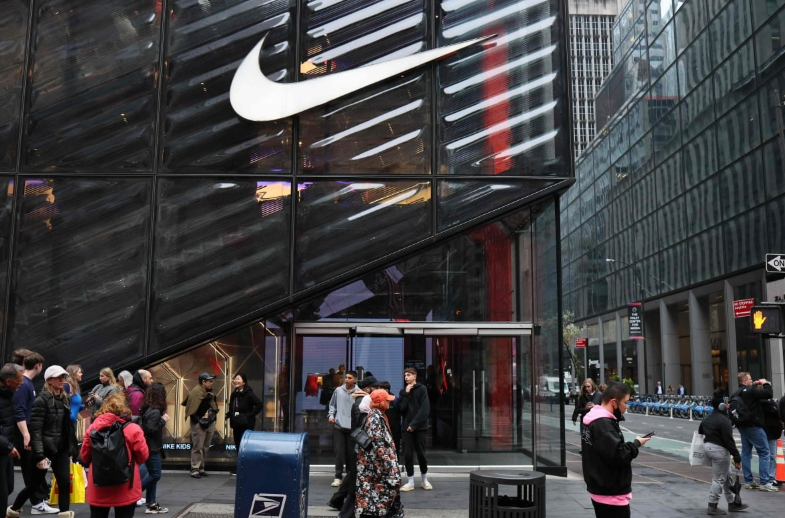
CNBC reported on the 21st, citing sources, that Nike will raise the prices of several products in preparation for retailers being hit by tariffs.
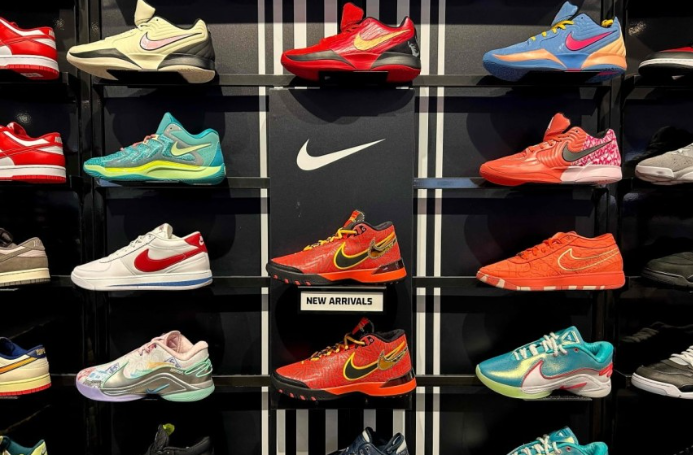
The price hike is expected to range from 2 dollars to 10 dollars. The source said that the price hike will be 5 dollars for products between 100 and 150 dollars, and 10 dollars for products over 150 dollars. Most of the price hikes will take effect from the 1st of next month, but the price hike could be seen as early as this week.
Not all products will increase in price. It is said that the price of children’s products or products under $100 will not increase ahead of the start of school. The popular Air Force 1 sneakers will also be priced at $115 according to the source.
Nike said in a statement, “We regularly evaluate our business and adjust prices as part of our season plans,” without mentioning its relevance to the tariffs. Currently, Nike produces about half of its sneakers in China and Vietnam. Despite the U.S. government’s moratorium on high tariffs, tariffs are currently 30% on Chinese products and 10% on Vietnamese products.
Nike will also resume direct sales to Amazon next month, which had been suspended for six years. Nike had been selling directly to Amazon, an online shopping mall, until 2019, before stopping it. Since then, only some limited products have been distributed on Amazon through third-party sellers. “We are investing in Amazon Marketplace to provide more products and services so that consumers can shop anywhere they want,” a Nike spokesperson said.
Nike has been struggling with sluggish performance lately. Nike’s fiscal third quarter sales in the fiscal year 2025 (December last year to February) decreased 9.3 percent year-on-year to 11.26 billion dollars. Operating profit plunged 41 percent to 788 million dollars during the same period.
Analysts say that the company has lagged behind changes in fashion trends in addition to shrinking global consumption. Nike started reorganizing its organization by replacing its CEO with Elliott Hill and replacing heads of major departments including strategy, personnel management and sports marketing due to sluggish performance last fall. In his first earnings announcement since taking office late last year, however, Hill criticized excessive discount policies and emphasized premium strategies.
SAM KIM
US ASIA JOURNAL

