



TV Asahi said on Sunday that a unique work method pursued by a Japanese shrimp processing company is a hot topic of conversation. At the dissolution of Papua New Guinea in Osaka, only three out of 22 regular and part-time employees were working even at 8:40 a.m. during the working hours. “When it rains, sometimes this happens,” Hokuto Muto, the head of the plant, told TV Asahi. As the rain stopped slowly on this day, the employees went to work one by one, and six people worked during the day. “I have three children, and I went to work without permission during events with my children or when my condition was not good,” said an employee in his 40s, who has been working for 10 years. Muto is said to have strictly controlled attendance and attendance even when there was a plant in Miyagi Prefecture. However, after suffering damage from the earthquake in 2011, when moving the company to Osaka, the company was on the verge of closing due to a number of employees leaving the company.
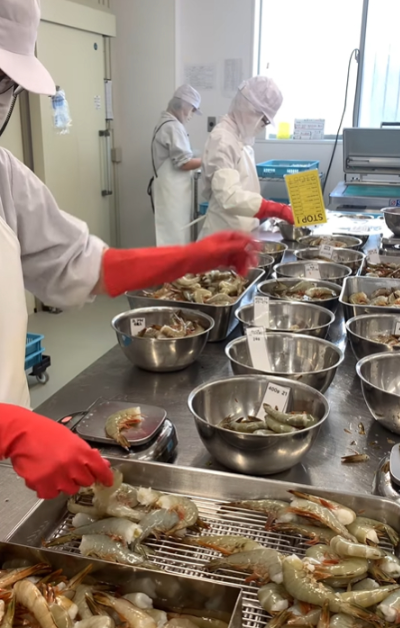
“There were many mothers who raised their children, and they said, ‘A good company to work is a company that can rest well,'” said Muto, the factory manager. “With this, I decided to make it a company that does not look at when resting.” It was judged that they would be wary in an atmosphere where they could rest only after reporting, so a unique rule was created called “unauthorized absenteeism.” Thanks to the first rule, employees became fond of it and long-term service increased.
The second rule is to set tasks that you don’t like every month and force them to never be allowed to do those tasks in the month. There are about 30 tasks such as dividing, measuring, packaging, and cleaning shrimp by size. TV Asahi said, “We change our jobs once a month because we might want to change our minds.” The team also organized the tasks that we each dislike in a table.
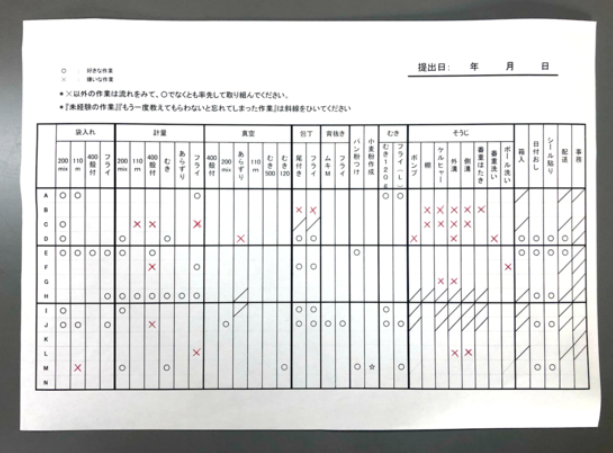
Thanks to these rules, no one has quit their jobs in the past five years due to dissatisfaction with their work or the company, the company said. However, it is said that it keeps the principle of “working for more than 20 hours for two weeks.”
If many employees go to work and produce more frozen shrimp than usual, they sometimes ask their customers to buy more in exchange for lower wholesale prices. The company plans to open a restaurant with fried shrimp starting in July to take advantage of the leftover shrimp. In particular, the second rule eliminated the pressure to “do things you don’t like” and complaints that “some people only want to do things that are comfortable.” As a result, conflicts between employees have decreased and work efficiency has increased. In the case of everyone saying no, we reviewed the work from scratch because we thought there was a good reason. As a result, it focused only on essential tasks, leading to cost savings such as labor costs. The company added, “The annual profit increased by more than 4 million yen compared to before the rule was applied.”
SALLY LEE
US ASIA JOURNAL

