


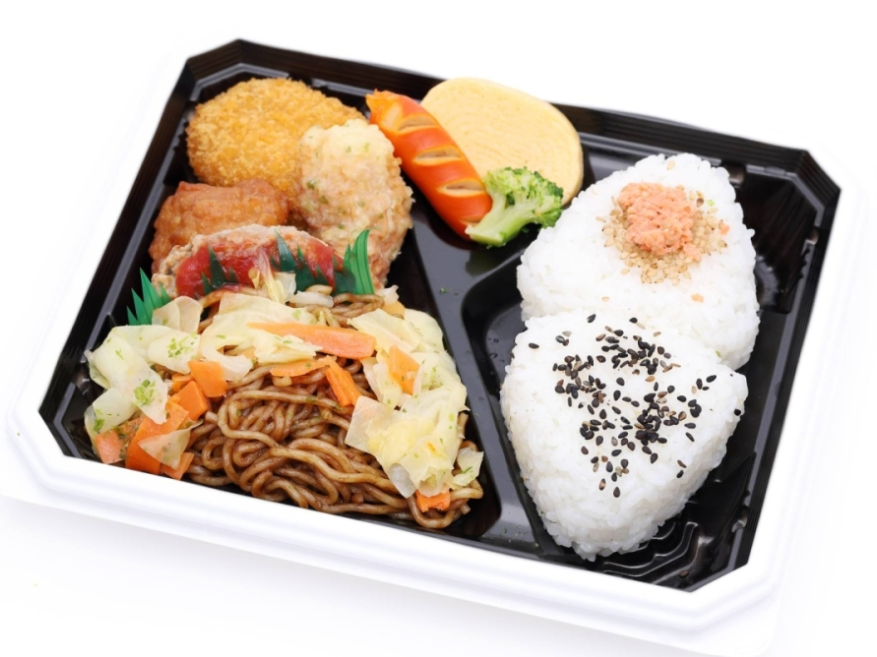
Despite the Japanese government’s release of rice reserves, rice balls and lunch boxes at convenience stores are also facing changes.
According to a report by Kyodo News and Asahi Shimbun on Wednesday, Japan’s Ministry of Agriculture, Forestry and Fisheries reported that the price of 5 kilograms of rice sold at supermarkets nationwide from July 21 to 27 was 4,233 yen, up 13 yen from the previous week. The price of rice has risen for 17 consecutive weeks.
The Japanese government has made three bids to release stockpiled rice until last month, but the effect of lowering rice prices has not yet been seen. The Asahi Shimbun reported, “Since March, stockpiled rice has been sold for around 3,500 yen per 5kg,” but “The stock rice supplied to supermarkets and other retailers remained at 1.4% of the total until April 13 due to stagnant distribution.”
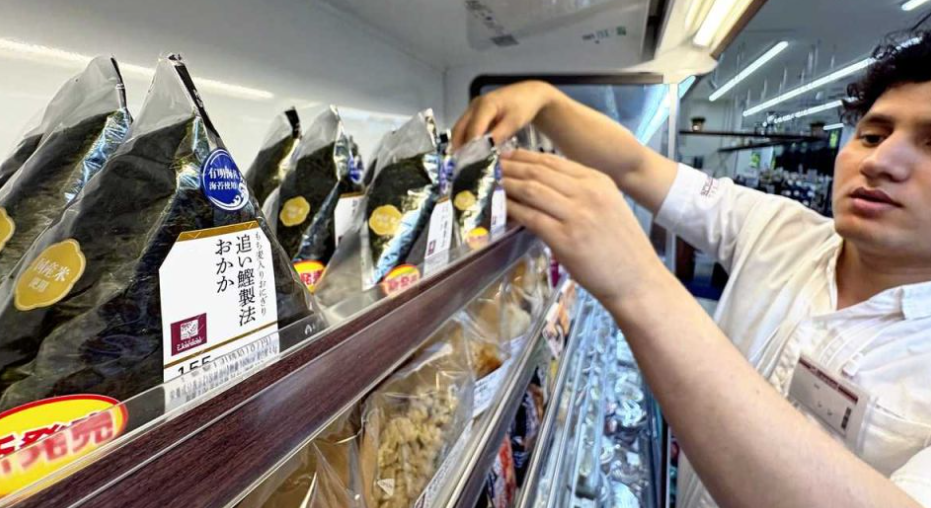
According to a report by Nikkei, rice prices are continuing to rise, resulting in changes in supermarkets, convenience store food, and lunch boxes. Family Mart, a chain of convenience stores, is cutting costs by removing seaweed wrapped in rice balls in response to soaring rice prices. The company plans to increase the number of seaweed-free rice balls to around 10 by March next year.
Lawson, another convenience store chain, has introduced a lunch box that offers rice and noodles together. 7-Eleven is pursuing a high-end strategy of launching high-end rice balls at high prices that increase both rice and contents.
Supermarket chain Seijoyi is mixing barley or grains with rice, while Tokyu Store has increased the proportion of its noodle lunch boxes.
Meanwhile, Prime Minister Shigeru Ishiba ordered Onodera Itsunori, chairman of the ruling Liberal Democratic Party, to come up with measures in connection with the surge in rice prices.
The plan to expand U.S. rice imports, which Japan reportedly considered as a so-called “bargaining card” in tariff negotiations with the U.S., has become unclear whether it will actually be used due to strong resistance within the Liberal Democratic Party.
The expansion of rice imports was evaluated as a way to kill two birds with one stone to improve the unfair trade practices pointed out by the U.S. and appease the public sentiment that has been complained about due to soaring rice prices. However, at a meeting of the U.S. headquarters on tariff measures held by the Liberal Democratic Party, some argued that rice should not be treated like soybeans and corn.
JULIE KIM
US ASIA JOURNAL

