


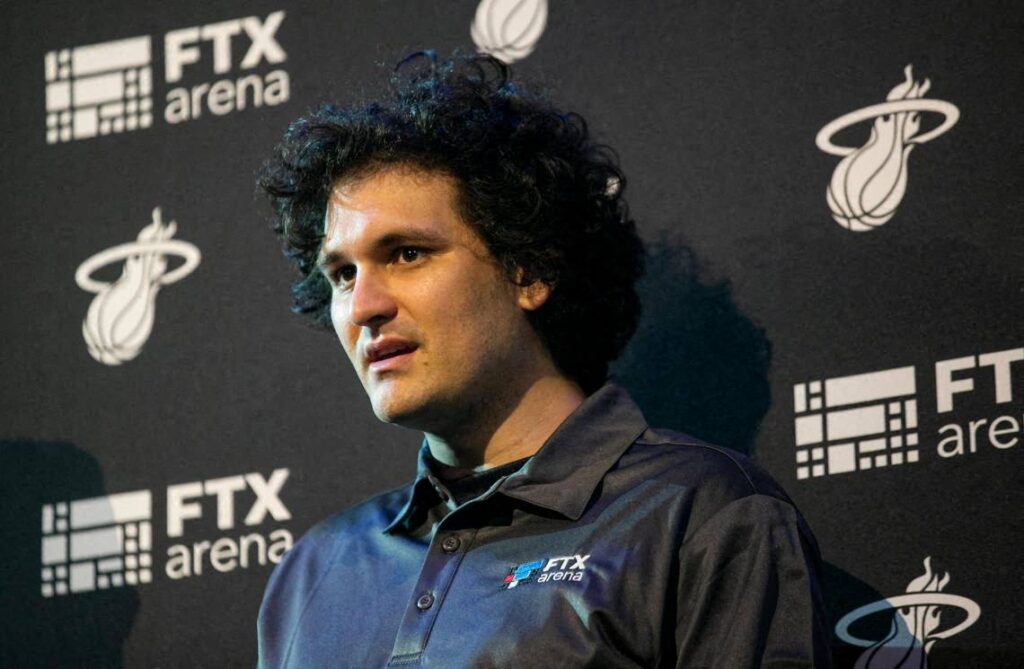
Global virtual currency exchange FTX is collecting donations promised when founder Sam Bankman-Freed was CEO. Bankman-Freed has pledged up to hundreds of billions of won in donations, but the FTX filed for bankruptcy protection in November last year.
According to the Wall Street Journal (WSJ) on the 7th (local time), CEO John J. Ray, who is collecting FTX’s bankruptcy protection application, is in the process of recovering money donated when Bankman-Freed was running. Some donors have expressed their intention to return it, but a number of donors have reportedly not responded to the request for return.
Bankman-Freed, who was previously called a “coin genius,” has made large-scale donation activities to the point of saying “charity activities” as one of his motives for accumulating wealth. The “Future Fund,” a key charity organization of FTX, promised to donate $160 million by September last year.
It is known that there are more than 110 beneficiaries, including startups developing COVID-19 vaccines, donations from supermodel Giselle Buncheon, who appeared in FTX advertisements every year, and programs to support students in underdeveloped areas in India and China. Among these donors, Alignment Research, a non-profit organization related to machine learning, and ProPublica, an exploration and reporting media, expressed their intention to return the donation.
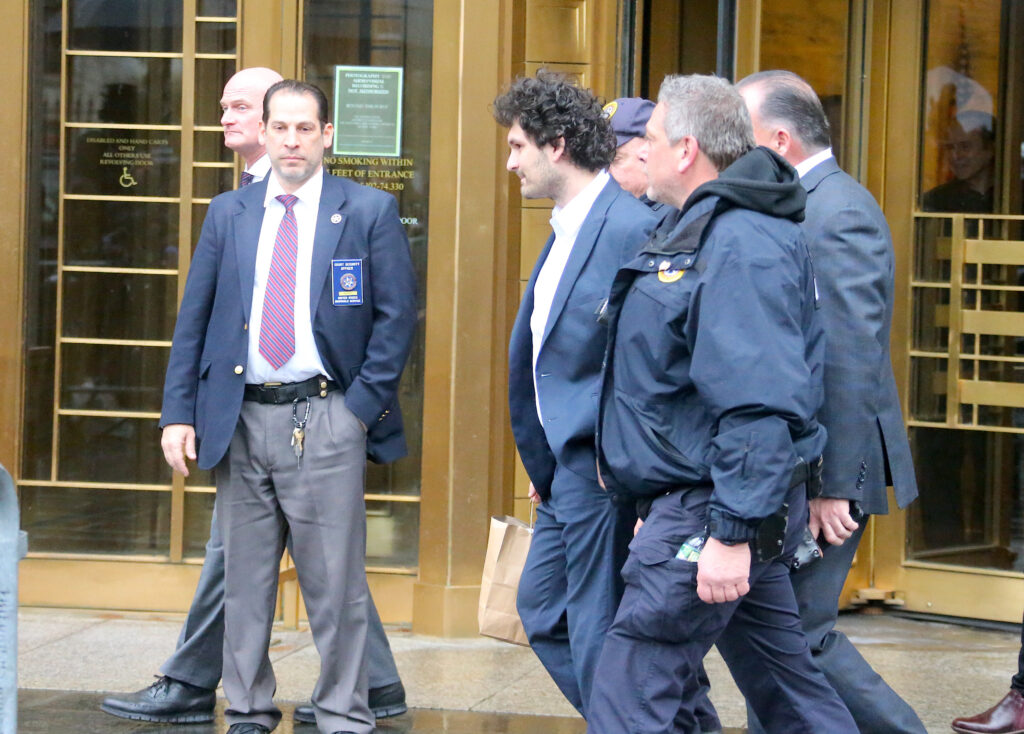
However, not a few donors have already used a significant portion of the money they have received, and some have reacted negatively to the return, citing legal issues. Accordingly, FTX management plans to take legal proceedings by the bankruptcy court if it does not respond to the request for return.
Meanwhile, local prosecutors cite donations as one of Bankman-Freed’s illegal use of customer deposits, but Bankman-Freed denies the donation, saying it was made as profits. In addition, if the donation was made in the insolvency state of FTX, it could be a reason for return, but it is pointed out that it is not easy to specify when FTX began to become insoluble.
However, if the court defines FTX as a Ponzi scheme based on a multi-level fraud method, the process of returning donations may be easier. In this regard, Dov Kleiner, a lawyer specializing in bankruptcy law at the law firm KKWC, said, “The likely case is to try to reach an agreement with the donor,” according to the WSJ.
TED PARK
ASIA JOURNAL

