


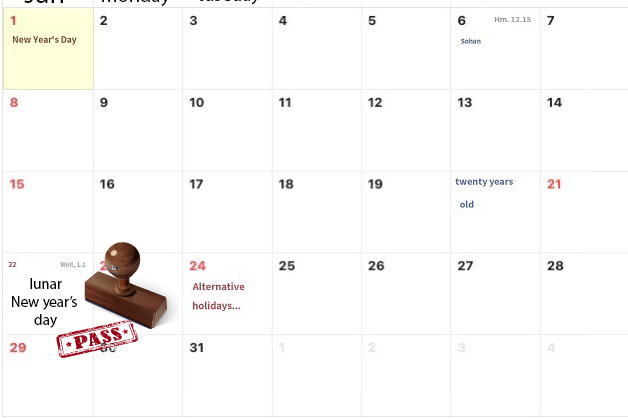
The U.S. state of California, which has a higher proportion of Asians than other states, officially designated “New Year’s Day,” which is January 1 of the lunar calendar, as a state holiday.
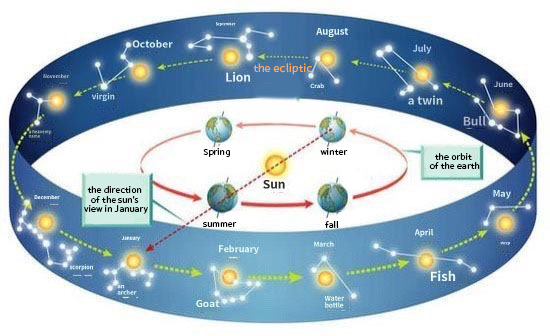
Find out the origins and concepts of the solar and lunar calendar. The solar calendar is a calendar that shows seasonal changes based on the sun. The lunar calendar is based on the moon. The solar calendar is 365 days a year, but the lunar calendar is 354 days, and there is a leap month to compensate for this difference.There are four main types of calendars used in the world today. There are the Eastern “lunar calendar”, the Western “Julian calendar” and “Gregorian calendar”, and the “Islamic calendar” used in the Islamic world. Among them, the Gregorian calendar is called the Gregorian calendar and is currently used worldwide.
(Source from Reuters/Alamy)According to the California Congress website on the 2nd (local time), the Congress passed the bill (AB 2596) containing these contents and sent it to the state government on the 13th of last month.
California Gov. Gavin Newsom officially signed the bill on the 29th of the same month.
The bill calls for designating January 1 of the Lunar New Year’s Day as a public holiday and allowing state officials to use eight hours of public holidays or compensation leave on New Year’s Day.
After signing the bill, Governor Newsom said, “By designating New Year’s Day as a state holiday, we will recognize the diversity and cultural importance that Asian Americans brought to California and provide Californians with an opportunity to participate in the Lunar New Year.”
According to U.S. demographics, the proportion of Asians in California, including Korea, China, and India, is 15.7%. More than 50% white, about 18-20% Hispanic, about 12-15% black, and less than 0.2-1% Hawaiian, the composition of the Asian ratio can be seen. The Asian ratio is 15% in California, 35% in Hawaii, 8% in New York, and 9% in New Jersey.
JULIE KIM
ASIA JOURNAL

