


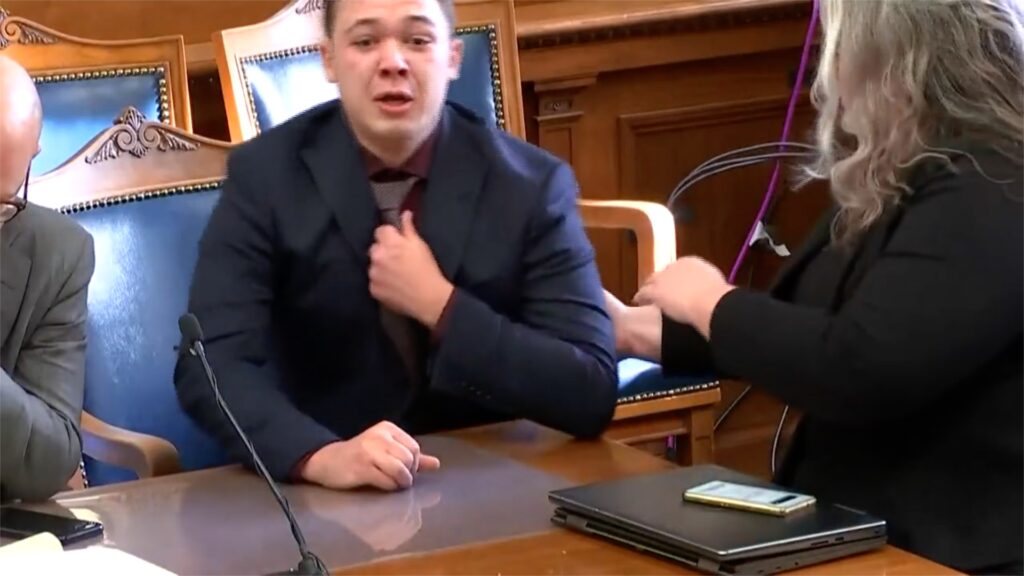
(Reuters)The “promotional boy” is a criminal minor between the ages of 10 and 14 who committed an illegal act to be punished, and Article 9 of the Criminal Act stipulates that “the act of a person under the age of 14 shall not be punished.” Since they are not capable of criminal responsibility, they can take “protective measures” such as sending a family court to a juvenile court or receiving probation, without criminal punishment even if they violate the criminal law.Under the Juvenile Act, the juvenile protection trial is conducted, and through this, the juvenile law is subject to “protection disposition.” Protection disposition refers to ▷ entrustment of a guardian or a person who can protect a boy on behalf of a guardian ▷ short-term and long-term probation by a probation officer ▷ entrustment to a child welfare facility or other youth protection facility ▷ transfer to a youth center within one month. And this boy’s protective disposition has no effect on the boy’s future status.On the other hand, in the Juvenile Act, ‘persons under the age of 19’ are defined as boys, and such juvenile offenders are classified into juvenile offenders (under the age of 10), juvenile offenders (under the age of 14 to 19), etc. according to their age. Among them, illegal boys under the age of 10 are still young, so no legal punishment is imposed. If so, criminal law does not stipulate age, although it varies from state to state, except in some cases where federal law is applied in the United States.However, the punishment regulations are different depending on the severity of the law, believing that those under the age of 7 are not subject to criminal law punishment. Usually, criminals aged 7 or older are regarded as the minimum age of criminal responsibility and those under 13 are regarded as juvenile, but most of them do not have the minimum age of criminal responsibility.

Even under the age of 7 can be protected and disposed of by the juvenile court, and if the law is serious (murder, rape, robbery, etc.), it can be sent to the adult court.When judging in court, adult stardards may be applied if a minor commits a crime while dealing with a dangerous instrument handled by an adult.No one in the United States, England, Australia, or France is lenient with juvenile law.Korea, however, is becoming bolder under the protection of the law, even though it is collectively guilty of juvenile delinquency-type car theft, assault, and collective action after drinking/smoking, which has become a serious socialization issue these days.In addition, although tattoos are still illegal procedures, many tattoo procedures are already prevalent and follow bold gangster tattoos.

Korea’s youth, who are proud of being a k-content culture, is certainly a part of them, but they earn as much money as adults by riding motorcycles and delivering them, and they are freely consuming them. Korea, which is an IT powerhouse and has a considerable enthusiasm for studying, but around this time, we see the other side of youth.The world’s fastest delivery culture, the ubiquitous Convenion Store, BTS/BLACKPINK, etc. has countless followers and enthusiastic fans, but the general public.
SAM KIM
ASIA JOURNAL

