


US stocks surged on Nov 4 as Democrats’ sweeping victory in the midterm elections fuelled optimism the Iran War could end soon, sending oil prices lower. Tech megacaps also jumped as investors bet a Democratic-controlled Congress will force companies to carry out AI spending cuts that they have been calling for.
“The election is over and markets are breathing a sigh of relief,” said Citadel Securities’ Scott Rubner.
Amazon and Microsoft rallied more than 6% apiece, leading a basket of the so-called Magnificent Seven 2.2% higher and contributing to a 0.9% gain in the Nasdaq 100 Index. The Dow Jones Industrial Average posted its best day since 2025.
The S&P 500 Index jumped 1.6% for a second straight session of gains with consumer discretionary and financials leading gains. Even less sturdy parts of the stock market jumped, with the Russell 2000 Index rising 1.6% and a basket tracking profitless tech stocks up 1.6%. The Cboe Volatility Index hovered around 17.
On the flipside, the S&P 500 Energy Index sank 4.8%, tracking oil prices lower – posting its worst session since April 2025. Brent oil futures plunged 10% to trade below US$100 a barrel with investors hoping that the Democratic sweep could usher a quicker end to the ongoing Iran conflict that has upended global energy markets.
“Today was the culmination of a month-long puzzle that the market was trying to solve for. While there is major uncertainty as to ultimate winners and losers, from a macro standpoint, investors are glad that we are on the other side of midterms,” said Joe Gilbert, portfolio manager at Integrity Asset Management. “The market climbed the wall of worry and now it is in the rearview mirror.”
Disappointing tech earnings had initially weighed on stocks ahead of the vote amid concern that the artificial intelligence buildout would face greater regulatory scrutiny under a Congress controlled by Democrats. Treasuries rallied on expectations that a so-called blue wave would limit Trump’s ability to add to the deficit.
“For investors, data-centre policy is moving higher on the risk list,” said Wells Fargo Investment Institute’s Darrell Cronk. “Congressional Democrats could use the debt-ceiling negotiations as leverage to challenge 100% expensing for data centres, while Democratic governors may pursue higher taxes, tighter permitting and additional development restrictions.”
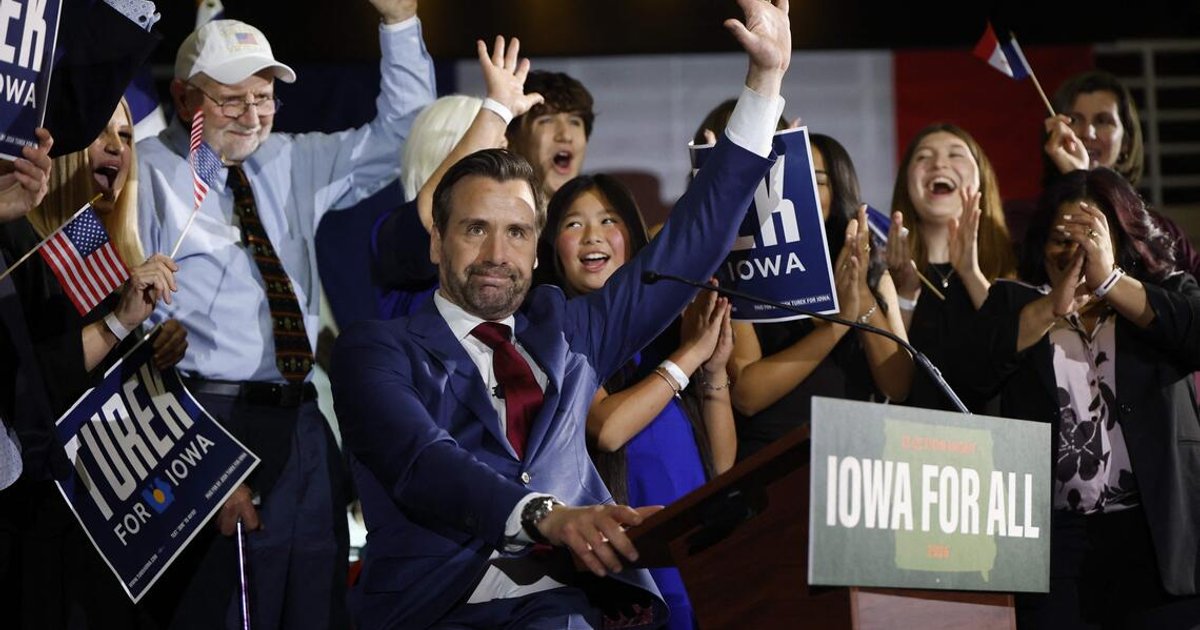
The Democrats scored victories in Republican strongholds across the country, flipping Senate seats in places like Texas and Ohio, in addition to winning House races in districts Trump had easily carried in 2024. Key governorships also changed hands in what amounted to a wholesale rebuke of the administration and its policies.
“This is landing at a sensitive moment, as the AI trade was already undergoing a valuation and capital-spending reassessment,” said Florian Ielpo, head of macro at Lombard Odier Investment Managers.
At the broader market level, however, Ielpo sees the implications as less negative, noting that the political gridlock should reduce the likelihood of “another major fiscal expansion, while the accompanying decline in Treasury yields could ultimately provide some support to equities”.
Meanwhile, Siebert Financial’s Mark Malek noted that while the blue wave was indeed real, it could not “overpower the AI wave”. While there will be impacts from it, Malek noted that backlash to data centres was not a partisan issue. Those concerns are likely to make conditions tougher but not bring construction of data centres to a complete halt.
“Governors may campaign against data centre projects, but governing introduces pressure from jobs, payrolls and property tax revenue,” said Malek. “A pause or list of conditions often marks the beginning of a negotiation, not the end of a project.”
Among individual movers, Tesla and Space Exploration Technologies (Space X) slumped as investors weighed potential consequences for Republican donor Elon Musk’s companies. Data-centre stocks including CoreWeave and Iren also slipped.
The biggest electoral risk to AI stocks runs through Texas, according to Michael Purves, chief executive officer at Tallbacken Capital Advisors. The state is home to one-third of all the AI megawatts in the country and has an additional 250 projects planned, he added.
JPMorgan Chase’s trading desk, which remained tactically bullish, said on Nov 4 that concerns about a possible shift in Texas policy may be overstated.
To Citadel Securities’ Rubner, US stocks are primed for a year-end rebound as the midterm election removes a source of uncertainty, corporate earnings remain resilient and lackluster investor positioning leaves room for renewed buying.
Overall, stocks have tended to rally after midterm elections. Since 1982, large-cap equities have gained about 15% on a market-cap-weighted basis and 16% on an equal-weighted basis in the six months following midterms, data compiled by Morgan Stanley show. Both measures have advanced roughly 22% over the subsequent year.
Wall Street has increasingly looked to Election Day as a potential catalyst for a rebound after a difficult October. But investors hoping the midterm elections will clear the way for a year-end stock rally may be disappointed, says Barclays’ Alex Altmann.
The election is unlikely to change the fundamental questions driving the recent market volatility, according to Altmann. That is because the biggest forces weighing on equities – questions over AI’s payoff and the cost of financing its buildout – will not be resolved by the vote, he said. BLOOMBERG