



A tool that creates new videos by entering text prompts or images.
With the global AI market expected to reach $1.4 trillion by 2030, competition is intensifying as the United States, the EU, and China lead investments in artificial intelligence and rapidly advance their technological capabilities to secure a leading position in the market.
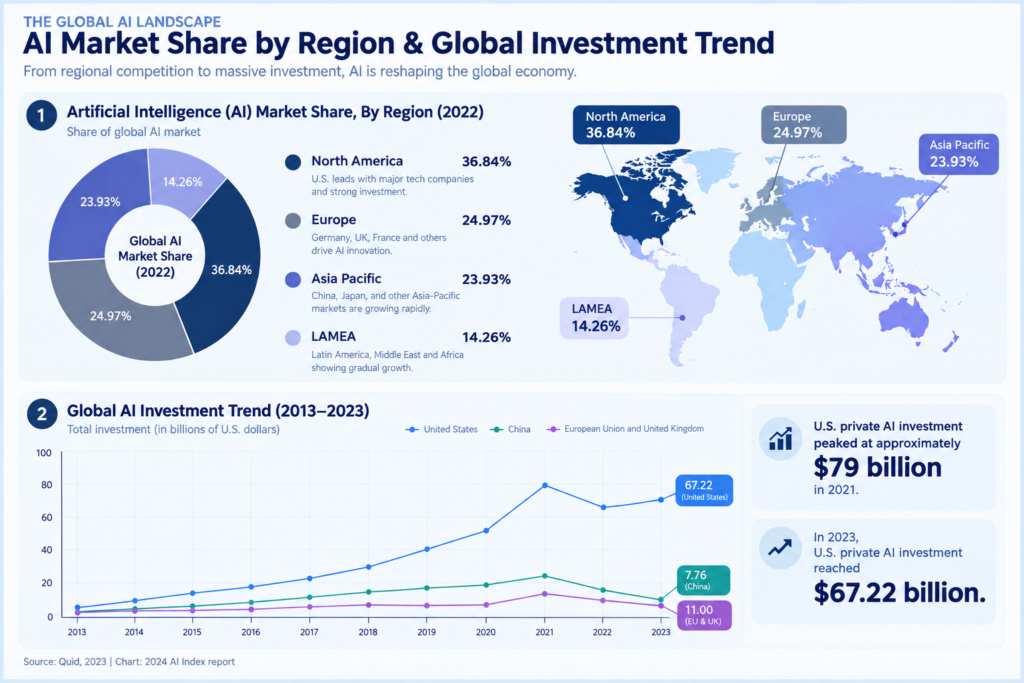
Looking at the regions, the share of North America, Europe, and Asia is growing rapidly.An analysis of the 2022 regional AI market share showed the United States at 36.8%, Europe at 25.0%, and the Asia-Pacific region at 23.9%, aligning with the trend analyzed by Market & Market.An analysis of global AI investment from 2013 to 2023 showed that while investment was less than $2 billion in 2013, it steadily increased each year, reaching a peak of $93 billion in 2021—more than double the previous year. Although it has somewhat declined since then, investment in artificial intelligence continues at a high level.
In particular, North America achieved the largest market share globally in 2022. As the home turf of leading big tech companies such as Meta, Amazon, Google, IBM, and Microsoft, it makes an important contribution to the development of the North American AI market.The EU artificial intelligence market takes various forms depending on the region. In Western Europe, countries with leading technologies such as Germany, the United Kingdom, and France are driving AI innovation.
Germany is primarily leveraging AI in manufacturing, the UK is focusing on finance and healthcare, and France is creating a favorable environment for AI startups and innovation hubs by emphasizing AI ethics and regulation. Meanwhile, in Eastern Europe, countries such as Poland, the Czech Republic, and Hungary are leading AI market growth across various sectors including manufacturing, finance, and IT services, supported by diverse government initiatives. In Northern Europe, Sweden, Norway, and Denmark have established themselves as AI innovation cities through extensive research and investment in artificial intelligence, while Southern European countries such as Spain, Italy, and Portugal are seeing a growing interest in AI, albeit at a somewhat slower pace than other regions.
Developments and approaches focused on specialized fields such as general industry, manufacturing, finance, and healthcare are rarely made easily accessible to the general public, especially for young generations like those using smartphones, who do not rely on apps centered on their own tastes and developers
We expect an app that is suitable for users who engage with social media through celebrities or influencers.
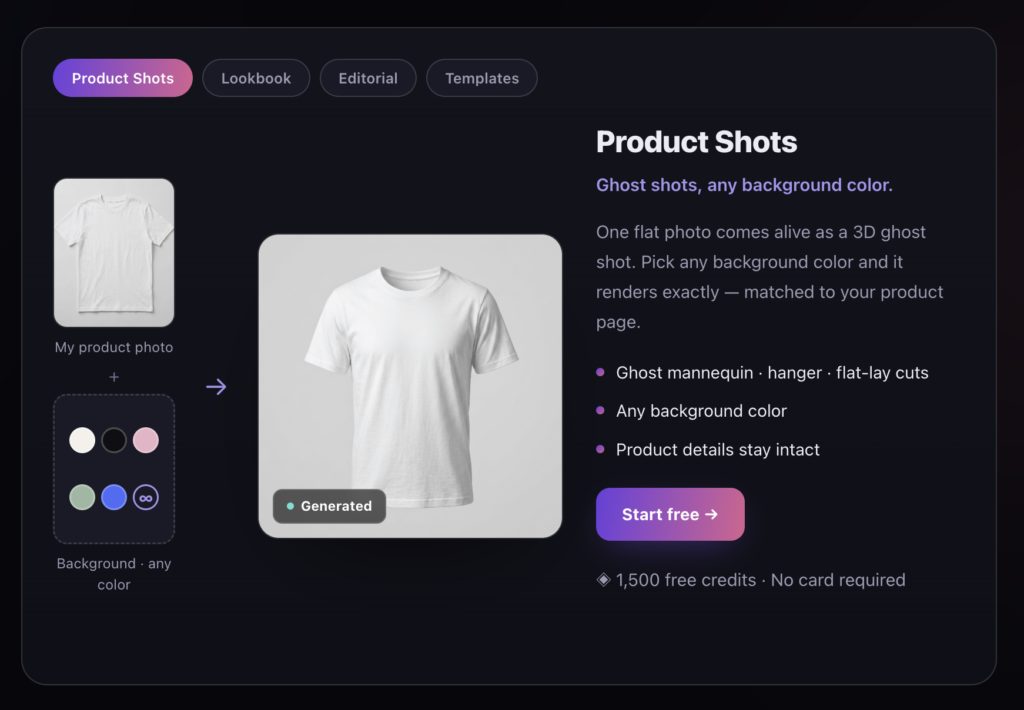
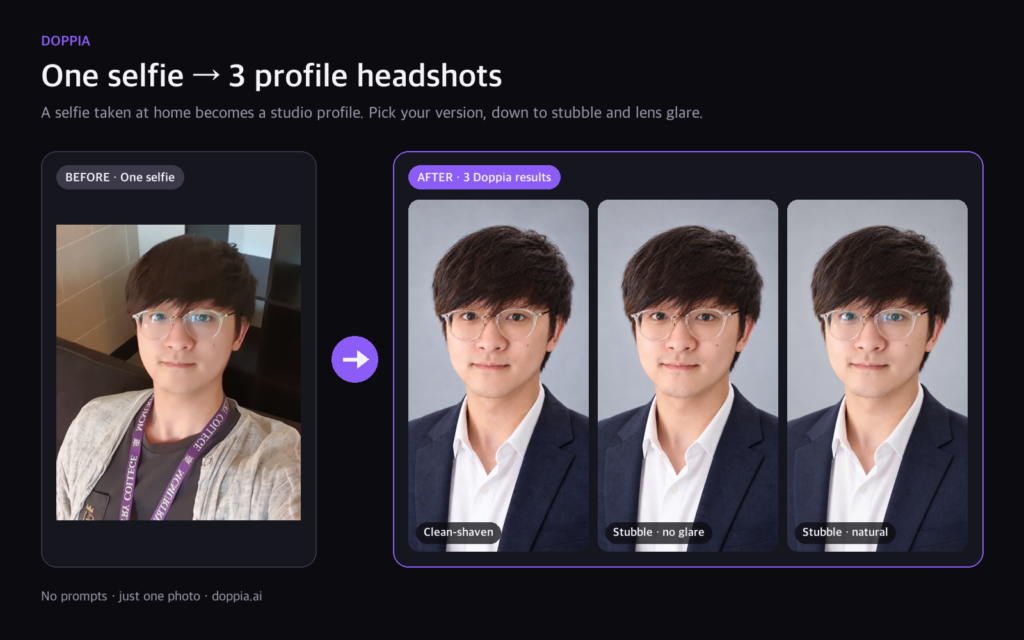
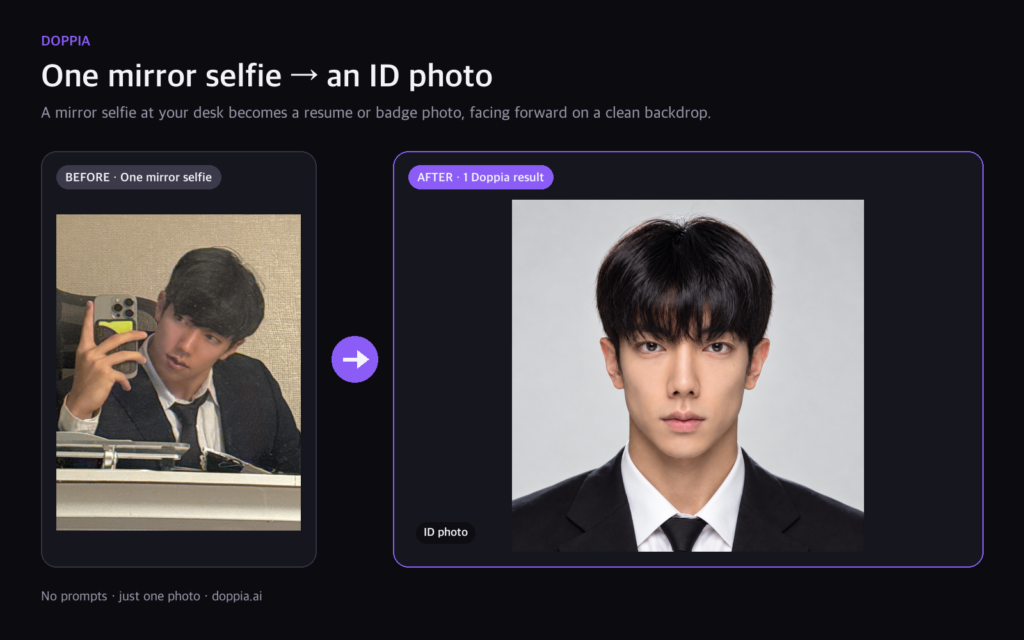
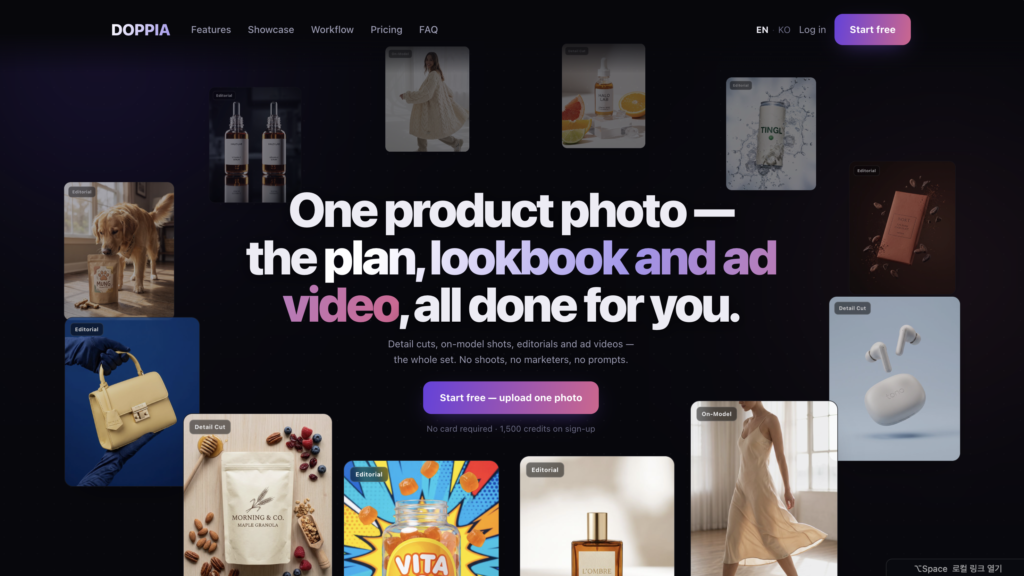
I would like to introduce the two young men who developed a video application called “DOPPIA.” The partners, Adam and Frank, personally experienced the inconveniences of the marketing production and exposure structure while creating and promoting their own products (underwear) as influencers, which led them to develop the application. Although Adam achieved great success as an influencer, he created “DOPPIA” with his partner Frank, an American educator and a computer science major, to develop his own marketing strategy.
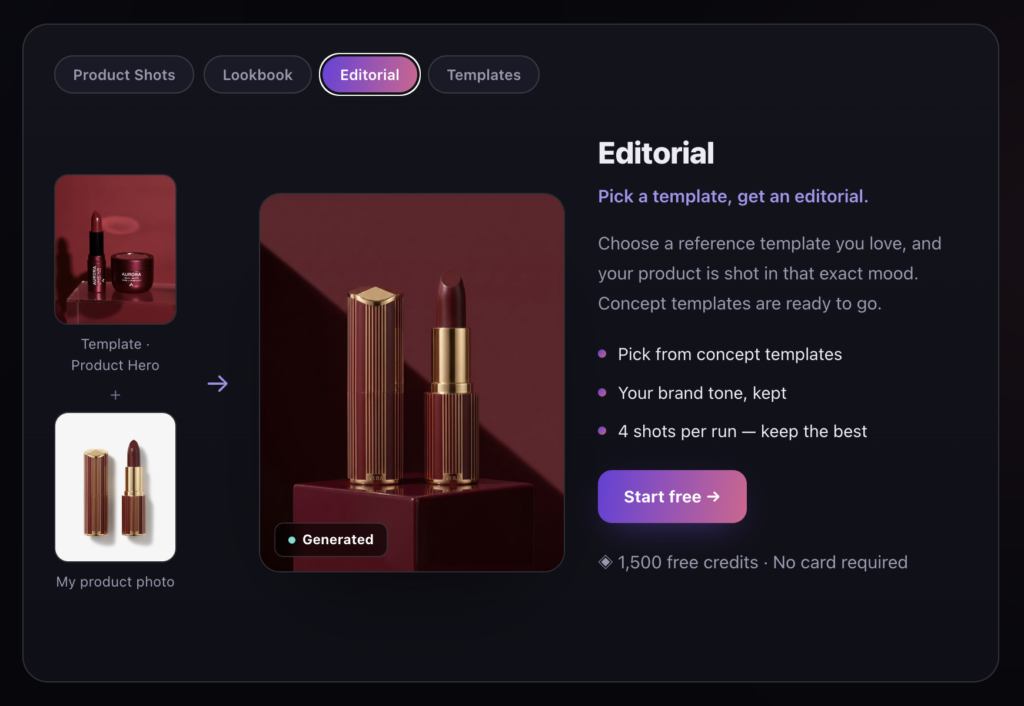
Currently, to improve its completeness, the work is being carried out using marketing tools from various companies, including beauty, food, large pharmacies, beauty salons, medical, and construction firms. Perhaps the two developers and marketers, Adam and Frank, have ambitions to lead “DOPPIA” toward building a big data platform through various approaches. What we should focus on is that this is an application that sets the direction and provides metrics to help regular users and small market players access the internet and social media conveniently, rather than an industry-driven structure led by large developers.

SAM KIM
US ASIA JOURNAL

