


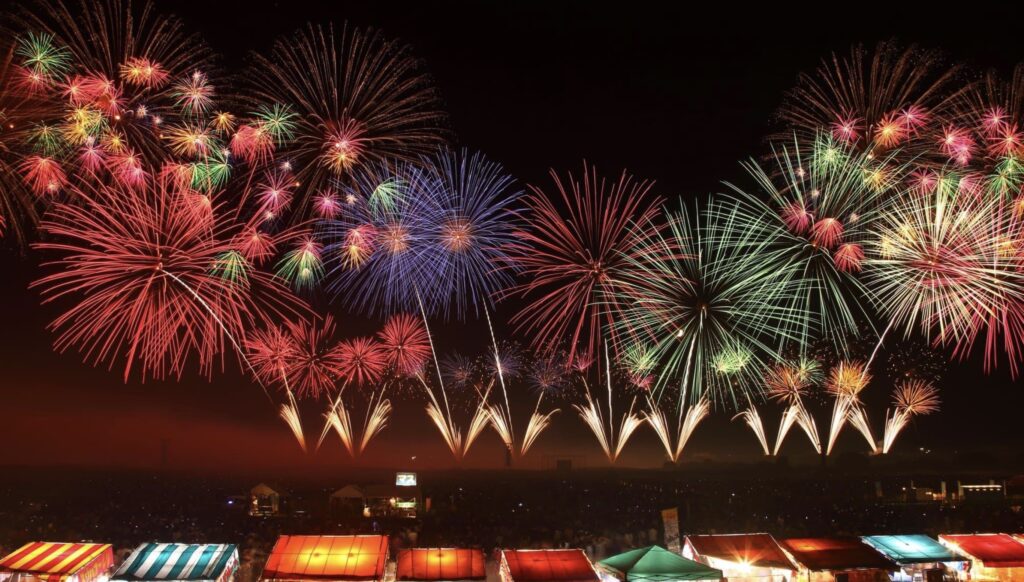
Japan’s summer travel season is moving into the evening as traditional festivals, fireworks displays and illuminated events draw residents and international visitors beyond the country’s major daytime attractions.
August has long been one of Japan’s busiest festival periods, with local communities across the country holding summer dances, fireworks events and traditional celebrations. Tokyo’s official tourism guide describes August as the height of the city’s summer festival season, with fireworks, local festivals and Bon-odori dances taking place throughout the month.
The appeal is increasingly extending beyond the festivals themselves. For visitors, evening events offer an opportunity to experience Japanese culture through food stalls, traditional performances and neighborhood celebrations while avoiding some of the heat associated with daytime sightseeing.
That has become particularly relevant this summer, as extreme heat has affected large parts of East Asia, including Japan and South Korea. The shift toward evening activities is giving tourism businesses another way to attract visitors during a season when daytime temperatures can discourage prolonged outdoor activities.
Japan’s summer festival calendar provides a wide range of experiences.
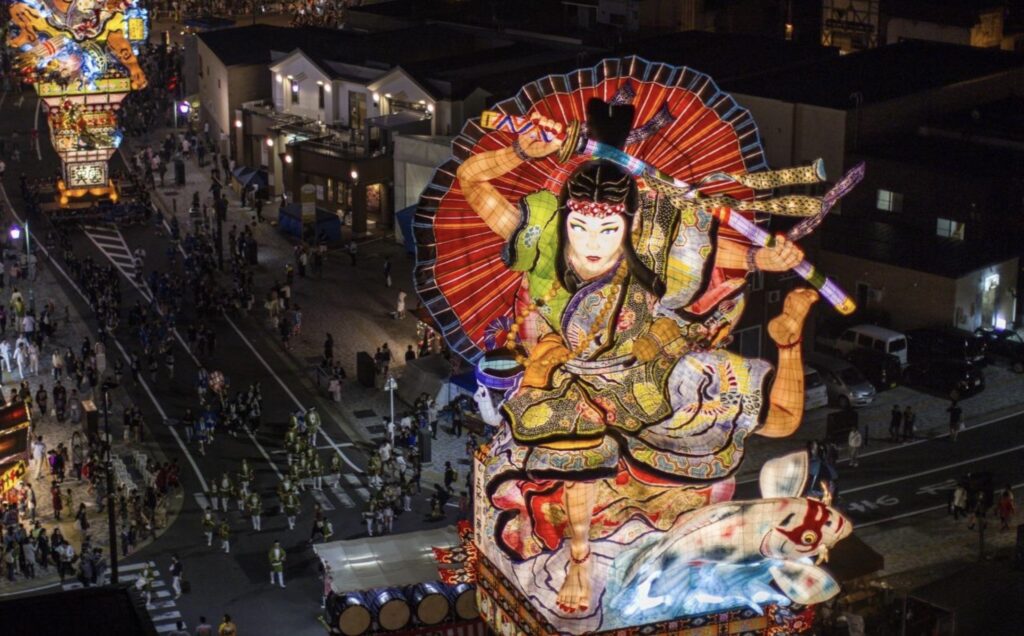
The Aomori Nebuta Festival, held in early August, is known for enormous illuminated floats depicting warriors and legendary figures. The evening processions are among the event’s defining attractions, turning city streets into brightly lit cultural stages.
Tokushima’s Awa Odori, held in mid-August, brings traditional dance into the streets. The festival’s music and choreography have become one of Japan’s best-known summer cultural experiences and attract visitors looking for an alternative to conventional sightseeing.
Tokyo also maintains its own network of neighborhood festivals. The city’s summer calendar includes Bon-odori events, fireworks and community celebrations that allow visitors to experience local traditions without leaving the capital.
For international travelers, the appeal of these events lies partly in their accessibility.
Unlike museums or historic sites that are primarily viewed from the perspective of an observer, many Japanese festivals encourage participation. Visitors can eat from temporary food stalls, watch performances at close range and, in some cases, join dances or other community activities.
The result is a form of tourism centered less on individual attractions and more on atmosphere.
Food also plays an important role. Festival stalls commonly offer dishes such as grilled foods, noodles, sweets and chilled drinks, creating a temporary food market alongside the cultural program. For travelers, the combination of local food and traditional entertainment can turn an evening outing into a broader cultural experience.
Tourism operators have increasingly recognized the value of nighttime activities. Evening festivals can extend the amount of time visitors spend in a destination, potentially benefiting restaurants, hotels, transportation services and local retailers.
This is particularly important for smaller cities seeking to attract travelers beyond Japan’s most recognizable destinations.
A summer festival can provide a reason to visit a regional city that might otherwise receive fewer international tourists. Events such as Aomori Nebuta demonstrate how local traditions can become internationally recognizable tourism assets.
The trend also fits a broader change in travel behavior.
Younger travelers increasingly use social media to discover destinations through short videos and photographs. Illuminated floats, fireworks and traditional costumes are naturally suited to visual platforms, allowing festivals to reach potential visitors well beyond Japan.
For local communities, however, the challenge is balancing tourism with the needs of residents.
Large festivals can bring crowds, traffic and pressure on accommodation capacity. Successful tourism strategies therefore require cooperation between event organizers, local governments, transportation providers and residents.
Japan’s summer festivals are unlikely to replace its temples, museums or shopping districts as major tourist attractions. Instead, they are adding another layer to the travel experience.
As international visitors increasingly look for experiences that feel local and distinctive, Japan’s nighttime festival culture offers something that cannot easily be replicated elsewhere: a combination of tradition, food, community and spectacle that comes alive after sunset.
For Japan’s tourism industry, the opportunity may be less about creating entirely new attractions than about encouraging visitors to experience existing cultural traditions at a different time of day.
In the middle of Japan’s summer, that shift is proving particularly timely.
Sophia KIM
US ASIA JOURNAL

