


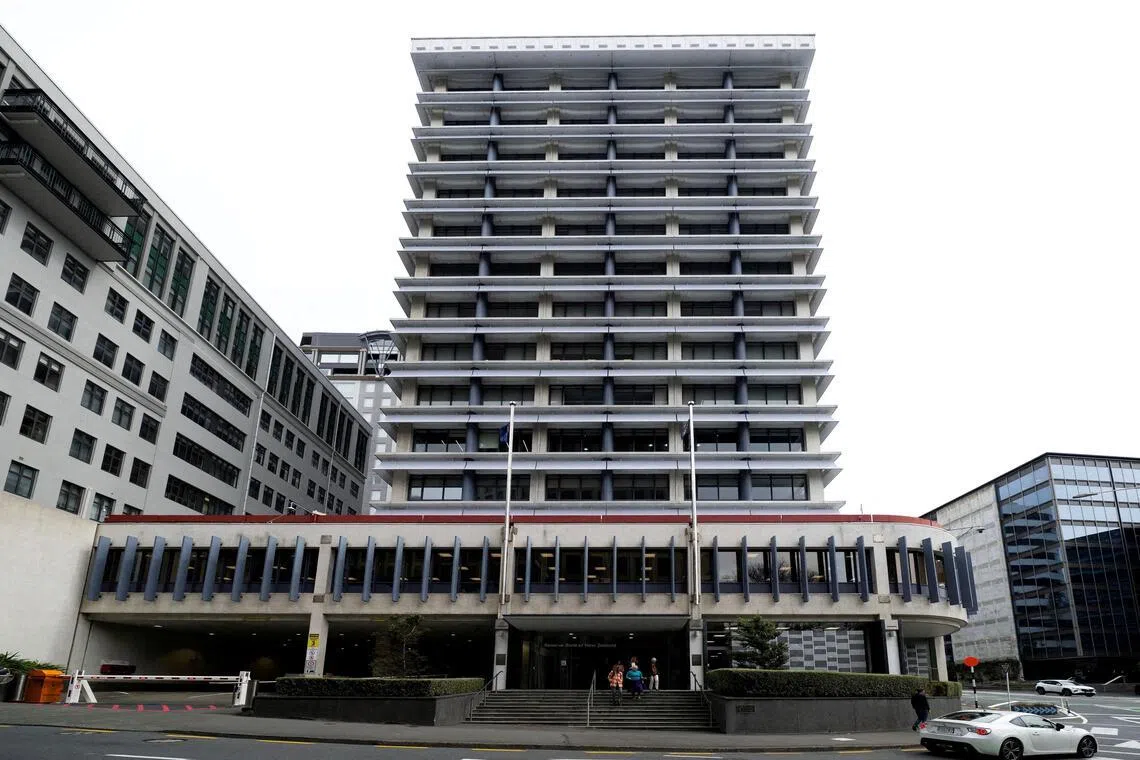
WELLINGTON – New Zealand’s annual inflation accelerated in the second quarter to a 2-1/2-year high, reinforcing expectations the central bank will raise the cash rate when it next meets in September.
Data released by Statistics New Zealand on July 21 showed annual inflation at 4.1 per cent, above analysts’ forecasts of 4.0 per cent and the Reserve Bank of New Zealand’s latest projection of 3.9 per cent for the quarter.
The consumer price index rose 1.5 per cent in the second quarter from the previous quarter, Statistics New Zealand said. Economists polled by Reuters had expected a 1.4 per cent quarterly rise.
The New Zealand dollar rose 0.1 per cent to $0.5843, while two-year swaps climbed 3 basis points to 3.681 per cent, after annual inflation came in above the central bank’s forecast.
Westpac senior economist Satish Ranchhod said the result was not as worrying as the RBNZ might have feared as core inflation had softened “but inflation is still high”.
Westpac expects further cash rate hikes at the September and December meetings.
The central bank raised the cash rate for the first time in three years to 2.50 per cent earlier in July and signalled further tightening ahead, saying it must do more to bring inflation back to target as the economy rebuilds.
It said at that meeting it expected inflation to ease to 3.3 per cent in the third quarter as the boost from oil price rises linked to the Middle East war fades from the headline rate.
The sharp rise in fuel prices since the start of the Middle East war was the main driver of the spike in prices.
Statistics New Zealand said the largest contributor to inflation was petrol, which was up 27.5 per cent, while diesel prices were up 71.1 per cent.
It added that if petrol and diesel prices had not changed, the CPI would have risen 2.9 per cent in the 12 months to June 30.
Annual non-tradeable inflation was 3.4 per cent, its lowest level in five years and down from 3.5 per cent in the first quarter.
Globally, inflation pressures remain uneven and highly exposed to the energy shock.
US inflation slowed more than expected in June as gasoline prices retreated, while in Europe, European Central Bank accounts showed policymakers saw inflation staying above target into 2027 despite nearly three expected rate hikes. REUTERS

