


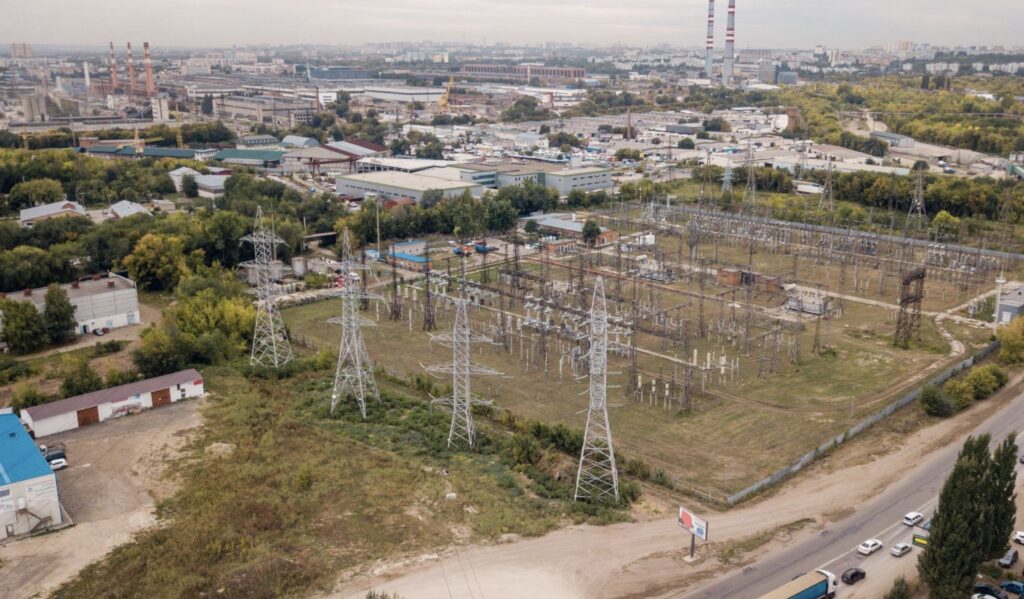
The rapid expansion of artificial intelligence is transforming more than the global technology sector. Across Asia, it is reshaping investment priorities in electricity generation, transmission networks and digital infrastructure as governments and private companies race to meet the growing energy demands of next-generation data centers.
While semiconductor manufacturing has dominated headlines throughout the AI boom, industry executives increasingly point to electricity as the next critical constraint. Large-scale AI computing facilities require substantially more power than conventional cloud infrastructure, forcing policymakers to accelerate long-term energy planning alongside digital investment.
From Singapore to South Korea and Japan, governments are reassessing how power grids will support expanding digital economies. Utilities, engineering firms and infrastructure investors are directing new capital toward substations, transmission upgrades and energy storage systems capable of supporting high-density computing facilities expected to operate continuously throughout the year.
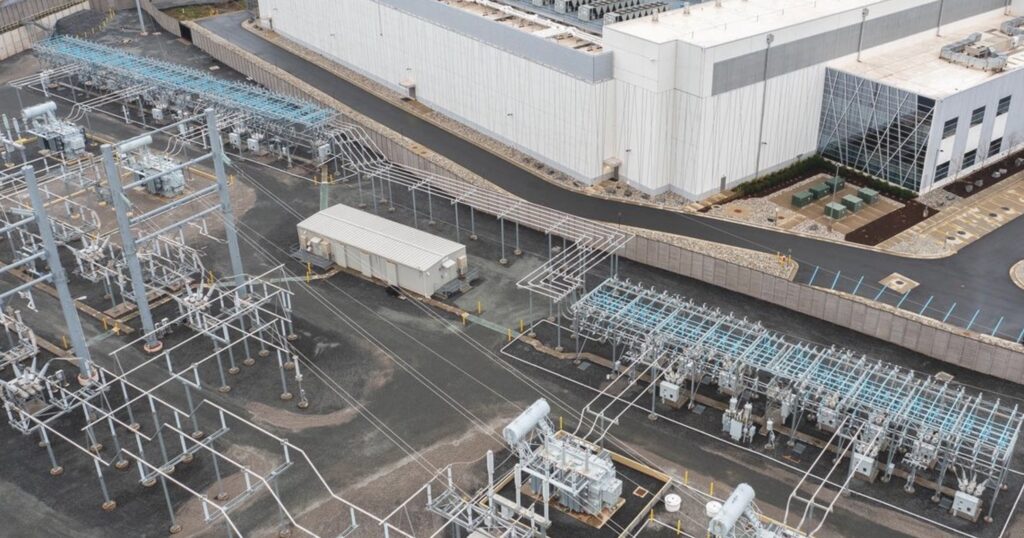
Market analysts say the challenge extends beyond building additional generating capacity. Delivering reliable electricity with minimal interruption has become equally important as hyperscale operators seek locations capable of supporting complex computing workloads. Grid resilience, renewable energy availability and land suitable for industrial-scale development are now major factors influencing where new data centers are constructed.
Singapore, despite limited land resources, continues to strengthen its position as one of Asia’s leading digital infrastructure hubs through selective expansion policies focused on efficiency and sustainability. Malaysia has emerged as another important destination, benefiting from industrial land availability, improving power infrastructure and growing interest from international technology companies seeking regional capacity outside traditional markets.
South Korea is combining advanced semiconductor production with investments in high-voltage transmission systems and renewable energy projects designed to support future computing demand. Government initiatives encouraging private-sector participation in digital infrastructure have attracted additional attention from both domestic utilities and institutional investors.
Japan is pursuing similar objectives through modernization of regional electricity networks while encouraging greater integration of renewable energy into industrial power systems. The country views resilient energy infrastructure as an essential component of maintaining competitiveness in advanced manufacturing and digital services.
For global investors, electricity infrastructure has become an increasingly attractive asset class linked directly to AI expansion. International investment funds are allocating capital not only to data centers themselves but also to transmission networks, battery storage, cooling technologies and grid modernization projects supporting long-term digital growth.
Industry observers note that power availability is rapidly becoming one of the primary considerations for technology companies evaluating future expansion. Regions capable of providing stable electricity, efficient permitting processes and reliable connectivity are expected to secure a larger share of global digital infrastructure investment during the coming decade.
Environmental considerations remain central to investment decisions. Major technology companies continue pursuing renewable energy agreements and more efficient cooling systems to reduce operating costs while meeting sustainability commitments. Governments across Asia are likewise balancing economic development with emissions targets as electricity demand continues to increase.
Although growth in artificial intelligence remains the immediate driver, analysts argue that the broader investment story now centers on infrastructure rather than computing alone. Electricity networks, once viewed primarily as public utilities, are increasingly becoming strategic assets supporting industrial competitiveness, digital transformation and national economic security.
As investment accelerates across the region, the competition to host the next generation of digital infrastructure may depend less on processing power and more on which economies can deliver stable, sustainable and scalable energy systems capable of supporting an increasingly data-driven global economy.
SOPHIA KIM
US ASIA JOURNAL

