


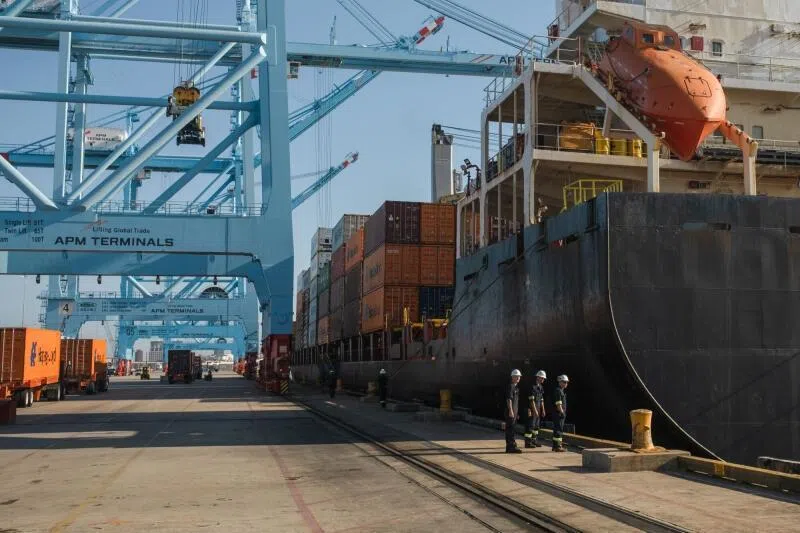
WASHINGTON – A large wave of refund payments for tariff increases declared illegal by the Supreme Court caused the first widening in the US federal budget deficit since the start of this fiscal year.
The gap for the first nine months of fiscal 2026 came to US$1.37 trillion (S$1.76 trillion), Treasury Department data showed on July 13. That marks a 2 per cent widening in the gap compared with 2025. For the month of June, the total deficit was US$120 billion.
In previous months, the shortfall had been narrowing, thanks especially to rising revenues – higher tax receipts amid solid job and economic growth, and more customs revenue thanks to President Donald Trump’s tariff hikes.
But the Supreme Court struck down the bulk of his levies in February, and refunds have been surging in recent weeks.
Treasury data show a net decline of US$25.6 billion in customs duties for June, after a decline of US$42 million in May.
Refunds amounted to US$49.2 billion for June after nearly US$22 billion for May – totalling more than half of the estimated US$166 billion the government is estimated to be on the hook for paying back.
“The refund programme has become large enough to be macroeconomically, fiscally and market-significant this year,” Evercore ISI analysts including Matthew Aks wrote in a note on July 10.
Even so, the payouts “represent a temporary increase in the deficit,” the team wrote, given that the Trump administration is in the process of erecting a new tariff wall.
Among the efforts underway, the US Trade Representative’s Office is investigating some 60 countries for violations of forced-labour bans, which could then be used as a basis for boosting tariffs.
Evercore ISI sees tariff revenue eventually coming in at over US$300 billion annually.
In the meantime, a widening budget gap risks serving a reminder to bond investors of the outsize scale of US borrowing.
The figures on July 13 showed total spending up 3 per cent for the fiscal year so far – propelled by bigger outlays on Social Security, Medicare, Medicaid and interest payments on the debt. BLOOMBERG

