


A meme-stock craze took hold on Wall Street once again in October 2025, as shares of Beyond Meat surged more than 1,300 per cent over a four-day period. The sudden rally echoed frenzies that originated during the Covid-19 pandemic and have periodically set off unusually large jumps in beaten-down stocks championed by social media influencers.
Shares of the struggling maker of plant-based burgers traded as high as US$7.69 on Oct 22, up from 52 US cents at the Oct 16 close. After paring some gains, the stock hovered at around US$3.34 on Oct 23. There is little to suggest that the company’s prospects have improved; indeed, even with the recent gains, the stock is down about 98 per cent from its record high in 2019. But the rush to buy a beleaguered consumer company drew comparisons to previous meme-stock episodes.
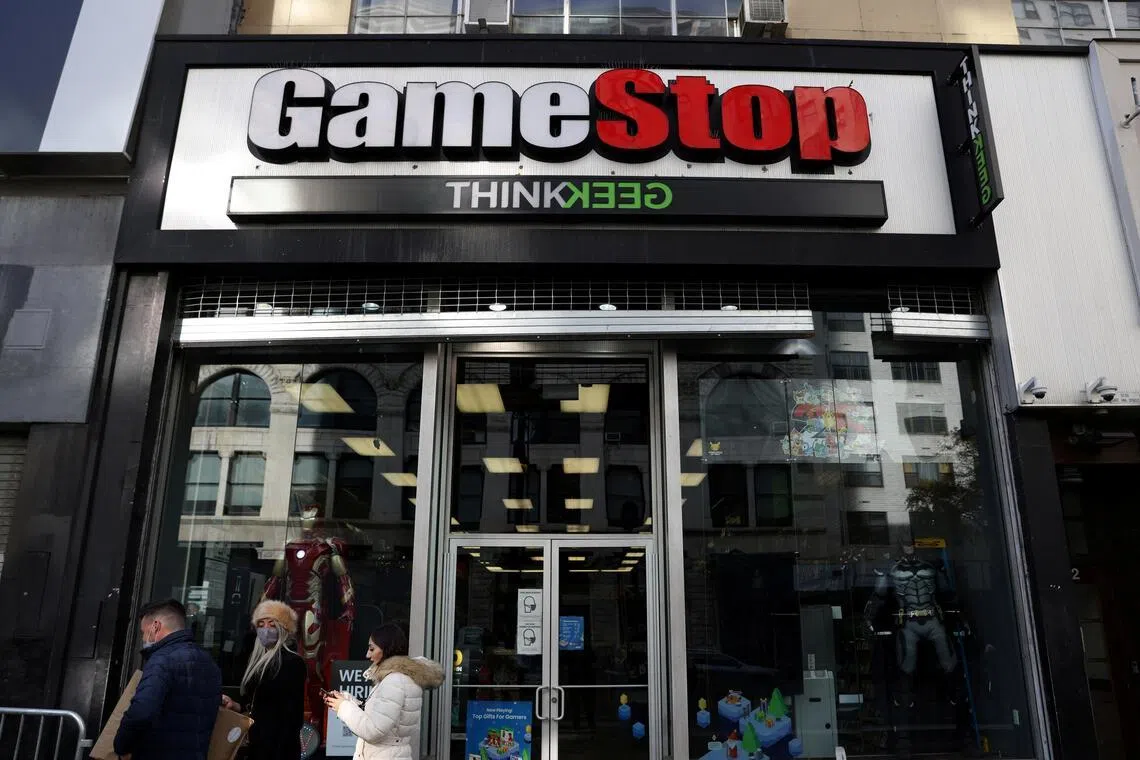
Beyond Meat’s shares saw a similar spike followed by a plunge in mid-July. It was part of a cohort of well-known brands, including GameStop, AMC Entertainment Holdings and Krispy Kreme, whose shares rose sharply – and, in some cases, quickly plummeted – not due to changes in their underlying businesses, but because they became the pre-occupation of a handful of high-profile internet personalities.
The rapid price swings showed the potential for meme‑driven surges to deliver multimillion‑dollar windfalls – and steep losses for those who jump in at the wrong time. Here’s what to know.
Why do meme stock frenzies keep happening?
Meme stocks tend to share several characteristics – including that they catch the internet’s imagination and get hyped on social media. The posts are often accompanied by images or videos – memes – that incorporate pop culture references.
Buying the stocks can be seen as a badge of honour or a way to join a club. Investors often cheer on one another to snap up shares.
Meme stocks tend to be cheap on a per-share basis. Often, they have a large short interest – meaning that professional investors are betting against them – which can give buyers the sense that they are part of an anti-establishment crusade.
Once the rally gathers steam, traders who had bet on a stock price falling by borrowing shares and immediately selling them are forced to quickly buy back the securities, further fuelling the rise in what’s known as a short squeeze.
Today’s meme stocks
How do the latest meme manias compare with the Covid-era saga?
The backdrop in 2025 is fundamentally different from what existed in 2021, when investors who were stuck at home during the pandemic and flush with stimulus cheques swopped tips on social platforms.
The mid-summer 2025 meme frenzy involved fewer stocks than in 2021, and Beyond Meat’s sudden run-up in October was even more limited. Krispy Kreme, a frequent meme target, saw its shares soar more than 30 per cent over a few days in mid-October, though its rally wasn’t nearly as steep as that of Beyond Meat.
Are meme stocks risky?
Trading meme stocks can be risky because the reasoning behind buying them typically has almost nothing to do with the performance of the underlying business. Meme stocks also can be volatile, elevating the risks of buying and selling the shares, especially for inexperienced market participants.
Why do these flare-ups happen?
A sudden, unexplained run-up in the share price of a consumer company often can be traced to posts on Discord, Reddit, trader chatroom StockTwits and other sites. In 2021, the GameStop frenzy began when bullish posts by investor Keith Gill, known by his online persona Roaring Kitty, sent the retailer’s shares soaring. The saga became the subject of a 2023 movie, Dumb Money.
Is all of this legal?
The US Securities and Exchange Commission polices illegal market manipulation, but it has to prove intent. Talking up a stock can be illegal if it is done by someone seeking to push the price higher and then profit from the momentum.
The ethics of social media influencers driving share swings have been hotly debated. Sceptics argue that meme-stock promoters often don’t disclose important details, such as the size of their positions in companies, when they trade them and whether they are paid to endorse stocks. Others argue that promoting investments on social media is similar to activist investors pushing for changes in how a company is run or short sellers releasing reports targeting companies in order to profit, both of which are generally considered normal market practices.
Why don’t meme stock moments last?
The main driver for meme stocks to rally is the rush of the crowd looking to strike out against the Wall Street elite. But increasingly, the surges are fleeting, as sophisticated institutional traders spot and quickly respond to meme-driven moves, often causing rallies to lose steam.
And as AMC and GameStop showed in 2021, sooner or later a company’s fundamentals tend to prevail, bringing the party to an end. BLOOMBERG
Source : https://www.straitstimes.com/business/invest/why-meme-stock-mania-keeps-happening

