


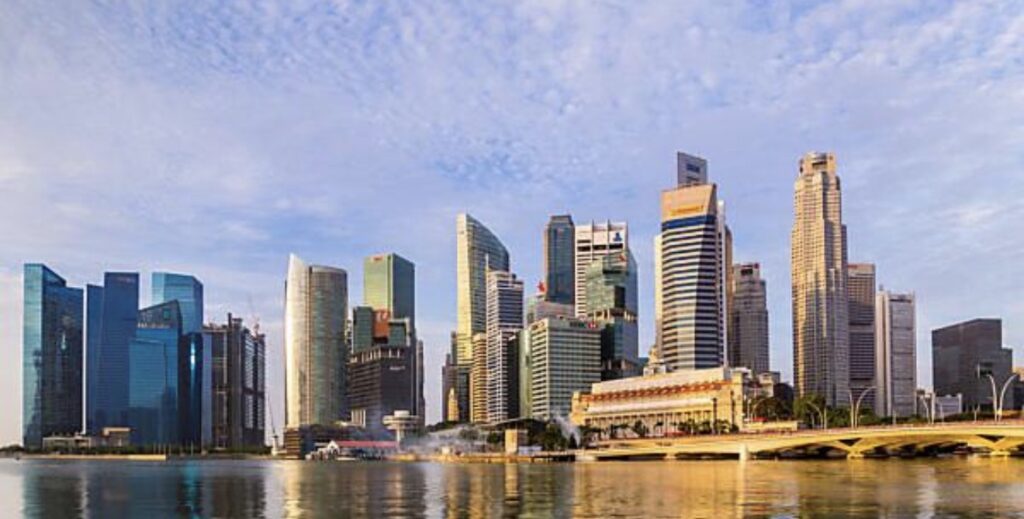

Developing economies across Asia are expected to maintain solid economic momentum through the remainder of the year, supported by resilient domestic demand, expanding investment and a gradual recovery in regional trade, even as policymakers continue to navigate persistent external risks.
The latest regional outlook from the Asian Development Bank suggests that stronger household spending, public infrastructure investment and improving business activity are helping offset weaker global demand in several export-oriented sectors. While growth remains uneven across the region, economists say Asia continues to demonstrate greater resilience than many advanced economies.
South Asia is expected to remain one of the fastest-growing regions, led by sustained expansion in India, where manufacturing investment, digital services and infrastructure development continue to support economic activity. Southeast Asian economies are also benefiting from recovering tourism, rising consumer spending and increased foreign direct investment as multinational companies diversify production networks.
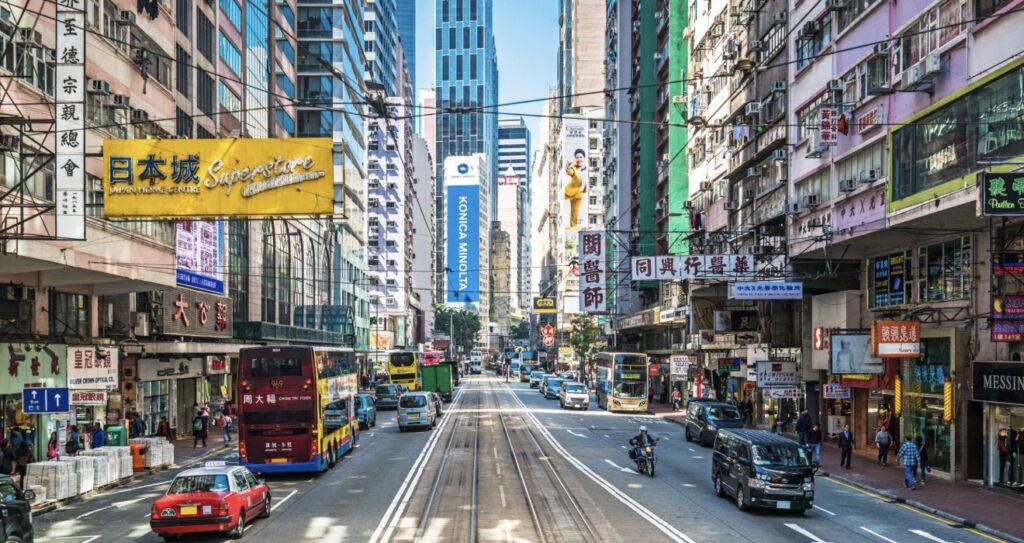
In Northeast Asia, economic conditions present a more mixed picture. South Korea and Taiwan continue to benefit from demand for advanced semiconductor products linked to artificial intelligence and cloud computing, while Japan’s economy is supported by recovering inbound tourism and steady corporate investment despite demographic and labor challenges.

Economists caution that external risks remain significant. Slower growth in major developed economies, uncertainty surrounding global trade policy and fluctuations in energy prices could weigh on export performance during the second half of the year. Higher financing costs in some markets also continue to challenge private investment.
Energy prices remain another important variable. Although recent increases in oil production have eased immediate concerns over supply shortages, sustained price volatility could still affect inflation and production costs for energy-importing economies throughout Asia.
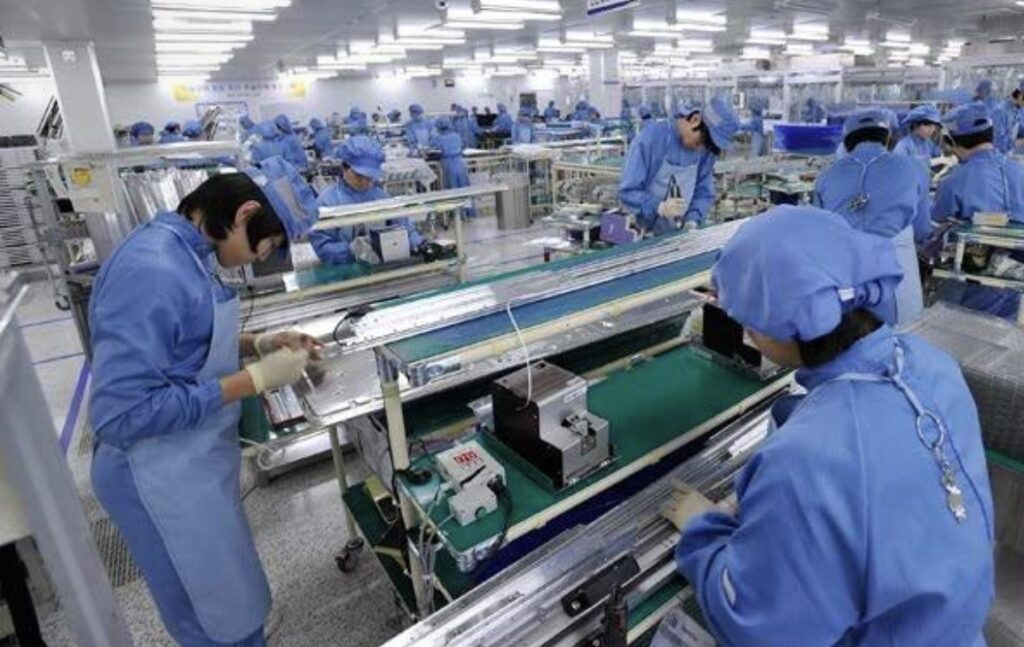
The region’s long-term outlook, however, continues to be supported by structural investment in technology, renewable energy, digital infrastructure and advanced manufacturing. Governments across Asia are accelerating efforts to strengthen supply-chain resilience while expanding domestic industries capable of supporting future economic growth.
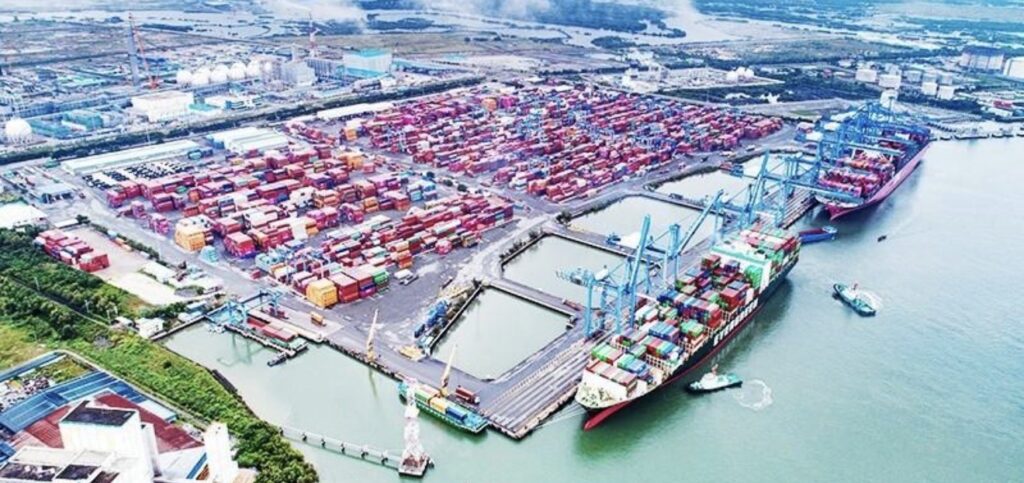
Analysts note that foreign investment flows have increasingly favored countries offering political stability, competitive manufacturing capacity and transparent regulatory environments. This trend has encouraged several Asian governments to introduce reforms aimed at attracting international capital and expanding high-value industries.

The ADB said maintaining macroeconomic stability while continuing structural reforms will be essential for sustaining growth as global economic conditions evolve. Policymakers are expected to remain focused on balancing inflation control, fiscal discipline and long-term investment priorities.
While uncertainties surrounding geopolitical developments and international trade are unlikely to disappear in the near term, Asia’s diversified sources of growth are expected to provide the region with greater flexibility than during previous periods of global economic slowdown.
SOPHIA KIM
US ASIA JOURNAL

