


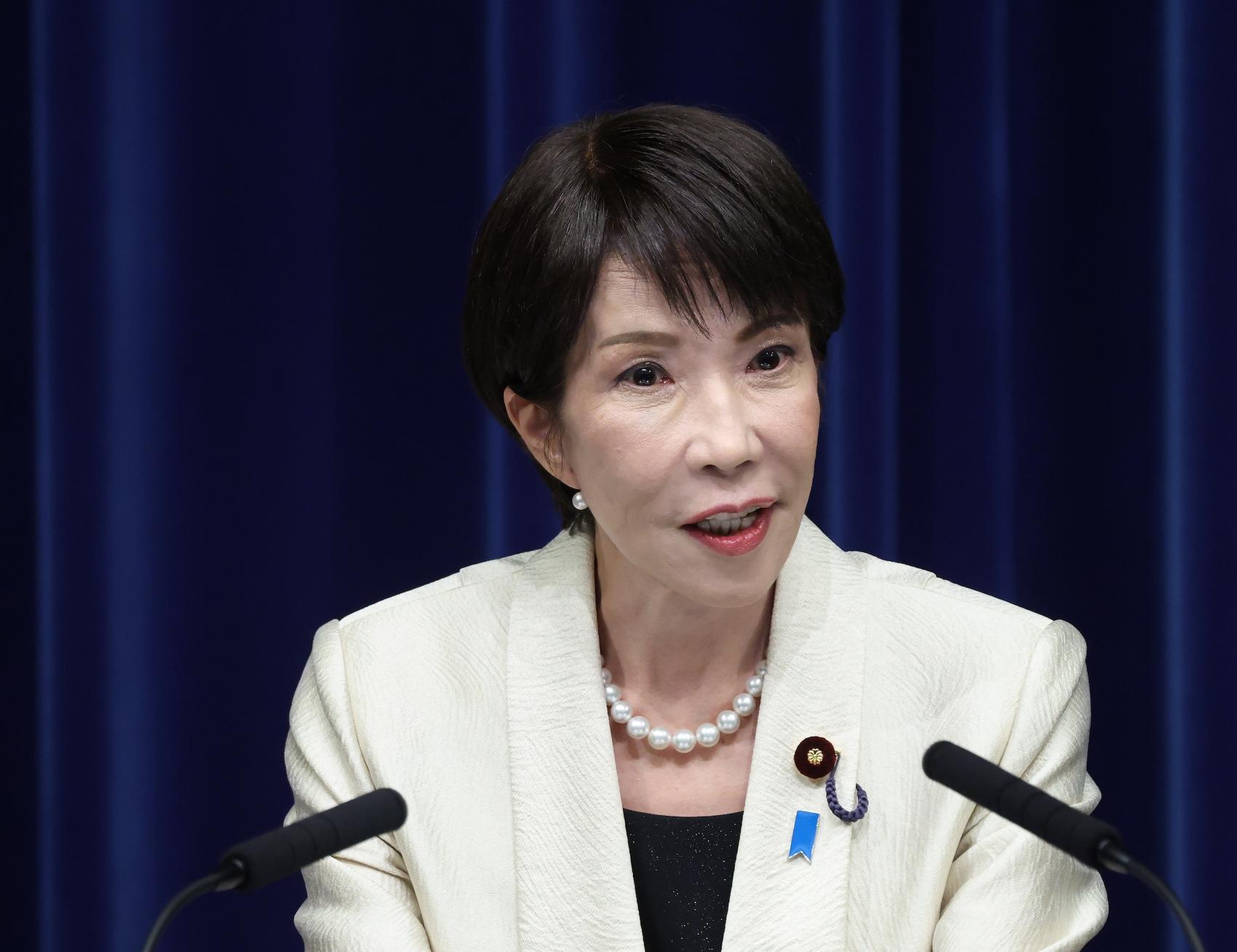
The Japanese government will compile a supplementary budget for fiscal 2026 totaling more than 3 trillion yen ($19 billion) to brace for higher energy prices amid prolonged tensions in the Middle East, Prime Minister Sanae Takaichi said Monday.
The draft budget will be submitted to parliament possibly next week, she told reporters, while also noting that the government will use 500 billion yen from reserve funds to help households pay for utility bills from July to September, when demand for air conditioning grows.
The supportive measure, which her cabinet is set to approve on Tuesday, is expected to reduce energy costs by about 5,000 yen per household for the three months, Takaichi said.
Takaichi said the extra budget for the current fiscal year, which began in April, will be financed by additional deficit-covering bonds, though she brushed aside concerns that this will affect the bond market.
Market concerns about Japan’s worsening fiscal health and accelerating inflation have sent borrowing costs surging, with the yield on benchmark 10-year government bonds reaching levels unseen in about three decades.
She explained that the total size of bond issuance will not change because the government no longer needs to issue around 3 trillion yen in bonds initially planned for fiscal 2025 due to increased tax revenue and other sources.
The government will set up reserve funds specifically to respond to the impact of the Middle East situation, such as surging crude oil prices, Takaichi said.
“We will further step up our efforts to ensure that people’s lives, livelihoods and economic activities will not be disrupted,” she said, adding that the envisaged budget is designed to “make every possible effort in terms of minimizing the risks.”
Takaichi’s announcement comes after calls from both the ruling and opposition parties had grown for a supplementary budget that would address rising crude oil prices following the launch of U.S.-Israeli strikes on Iran in late February and the effective closure of the Strait of Hormuz.
Resource-poor Japan heavily relies on oil imports from the Middle East through the strait, a key waterway for global energy shipping.
As the result of Japan’s efforts to diversify suppliers, Takaichi said its oil procurement will reach around 80 percent of the level seen a year earlier and that the country will likely secure enough supplies to last into spring in 2027.
Meanwhile, the prime minister maintained her negative stance on urging the Japanese public to limit energy usage, saying that the nation has not reached a stage where the government needs to make such a request “in a way that would put the brakes on economic activities.”
Asked about the possibility of revising ongoing subsidies for wholesalers to curb the average retail price of gasoline at around 170 yen per liter, she did not rule that out.
Some ruling and opposition lawmakers have sought to downsize the gasoline subsidy program to ease the fiscal strain on the debt-ridden country.
© KYODO

