


The massive losses suffered by Japan’s opposition parties in the February general election, won in a landslide by the ruling Liberal Democratic Party, have given rise to ambiguity over which politician should be regarded as the face of the non-governing parties.
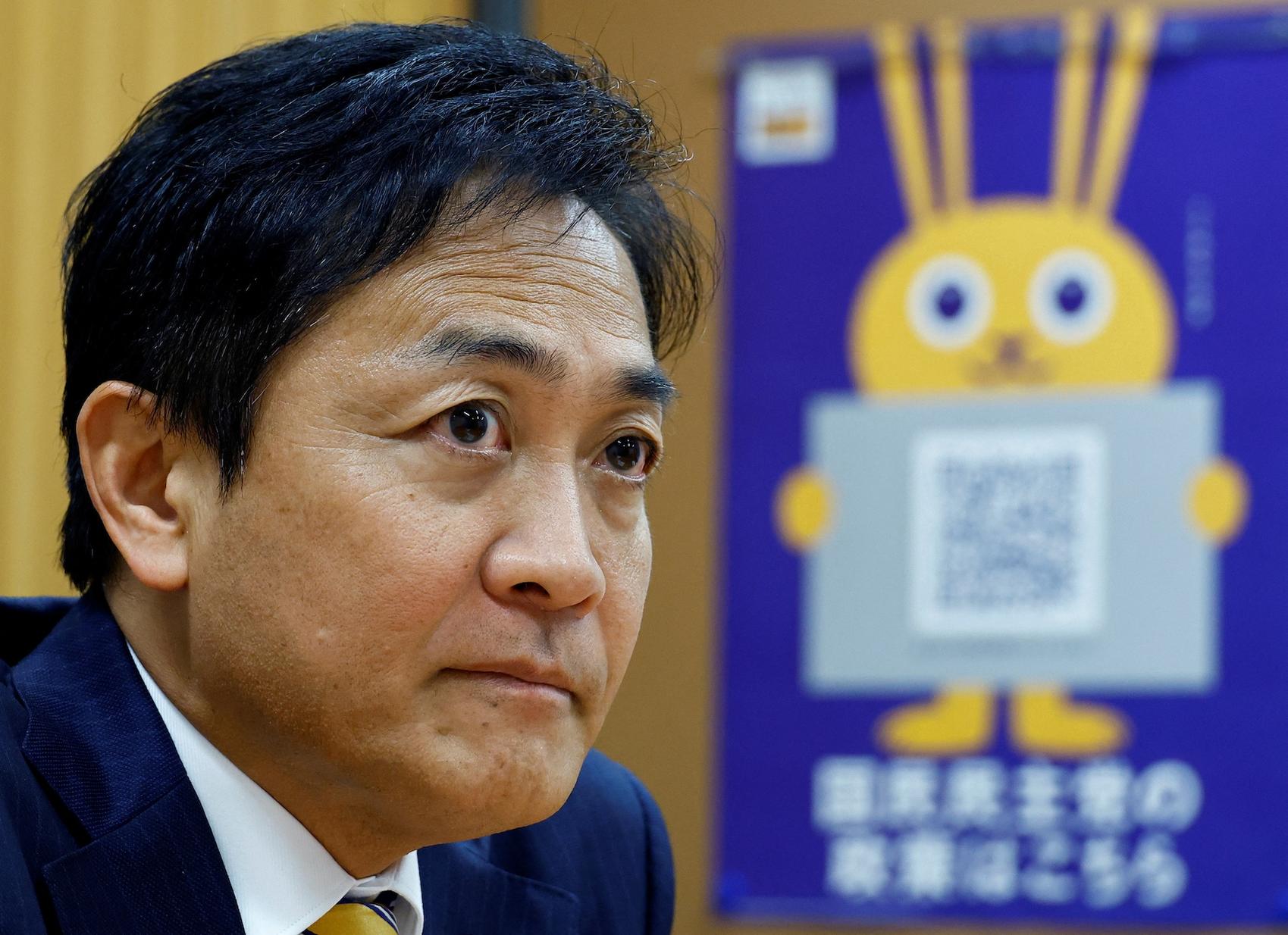
The situation has emerged due to the Centrist Reform Alliance led by Junya Ogawa having the most seats among non-governing parties in the powerful House of Representatives at just under 50, but fewer across both chambers of parliament than Yuichiro Tamaki’s Democratic Party for the People, which holds a combined 53.
Under Japan’s political system, the opposition with the most seats in each house represents non-governing parties in discussing Diet business with the largest ruling party.
The CRA plays that role in the lower house, while its ally and founding party, the Constitutional Democratic Party of Japan, does so with around 40 seats in the House of Councillors.
However, the DPP’s Tamaki said at a press conference after the election that “among the opposition parties, we are the only one with more than 50 seats across both houses combined.” Due to this, he said, “responsibility rests with us as well” in challenging the government.
Ogawa told reporters in February that he “respects” the DPP’s larger overall seat count, while adding that the “weight” of being the lower house’s biggest opposition party is unchanged. “My awareness of the need to act and speak in a manner befitting that responsibility has not altered at all,” he said.
But Tamaki’s claims have been given a boost by discrepancies in the order that parliament and media organizations present the parties.
Reflecting his party’s greater cumulative number of seats, Tamaki had the first and longest slot of 12 minutes to debate Prime Minister Sanae Takaichi in Wednesday’s leaders’ debate, followed by Ogawa’s 10 minutes.
Media organizations, too, apply differing metrics in presenting the parties. Reporting on opinion polls by Kyodo News prioritizes lower house numbers, listing the CRA ahead of the DPP, while public broadcaster NHK’s coverage treats the DPP as the larger party.
The situation looks set to continue as questions remain over whether and when the CRA’s founders, the CDPJ and the Komeito party, can come together in the upper house.
“We are the ones negotiating with the LDP, but it is the DPP that is getting more opportunities to communicate its message,” one disgruntled senior CRA figure said.
© KYODO

