


SINGAPORE – More companies here are starting to feel the strain of rising costs stemming from the war in the Middle East, with firms such as Genting Singapore, Jumbo Group, Kimly, Sheng Siong and ComfortDelGro warning of mounting pressures and a tougher operating environment ahead.
Many Singapore Exchange-listed companies that reported their financial results and business updates for the January-March quarter disclosed concerns over how rising energy, freight and supply chain costs arising from the closure of the Strait of Hormuz have trickled into the economy. This, in turn, poses demand challenges for their businesses.
The war, which began on Feb 28 when the US and Israel launched strikes on Iran, is now in its 11th week, and its impact is being felt beyond the initial jump in petrol, cooking gas and electricity prices, as well as air fares and taxi fares.
Now, rising costs resulting from the prolonged war are being felt more widely across the economy.
This is beginning to weigh on corporate earnings, with the effects likely to continue unfolding in the months ahead.
One example is through softer travel and consumer spending patterns as inflation rises both domestically and globally.
In its first-quarter results announced on May 12, Genting Singapore, which operates Resorts World Sentosa (RWS), said the conflict has raised the cost of sourcing, transporting and delivering goods and services for its business, as higher energy, freight and logistics expenses begin to weigh on operations.
It added that elevated airfares are also dampening travel demand and consumer sentiment, affecting visitor volumes at RWS. In response, it is rolling out targeted promotions, refreshed dining concepts and new attractions to sustain visitor traffic and spending.
Genting Singapore posted a 55 per cent fall in net profit to $65.2 million for the first quarter ended March 31 compared with the same period in 2025, while revenue slipped 3 per cent to $607.6 million.
As travellers become more cost-conscious, airlines have also been increasingly unable to raise their airfares to cover the rising costs of jet fuel.
In its latest results covering the financial year ended March 31, Singapore Airlines (SIA) noted that while it had already raised airfares across its network, these adjustments do not fully cover the rise in the price of jet fuel, which is the group’s single-largest expenditure item.
The airline said that while jet fuel prices have more than doubled since the Iran conflict began, it will not pass the full increase in cost on to passengers, as doing so would hurt demand and make the airline less competitive.
SIA added that it expects rising jet fuel costs to place “significant cost pressures” to its business.
Pressure is also starting to surface in the local food and beverage (F&B) sector, where businesses are especially exposed to higher utility, ingredient and logistics costs, but are leery of passing these increases on to price-sensitive consumers.
Seafood restaurant operator Jumbo Group, which operates brands including Jumbo Seafood and Ng Ah Sio Bak Kut Teh, reported higher operating expenses due in part to higher utilities costs, resulting in less profit for the quarter compared to a year ago.
Jumbo Group said on May 8 that the operating environment is expected to remain challenging amid “volatility in oil and energy prices” that could continue to pressure operating costs and consumer spending.
Similarly, coffee shop and food stall operator Kimly expects the F&B landscape to stay challenging amid “manpower constraints, rising material and rental costs, intensifying competition and subdued consumer sentiment arising from global economic uncertainties”.
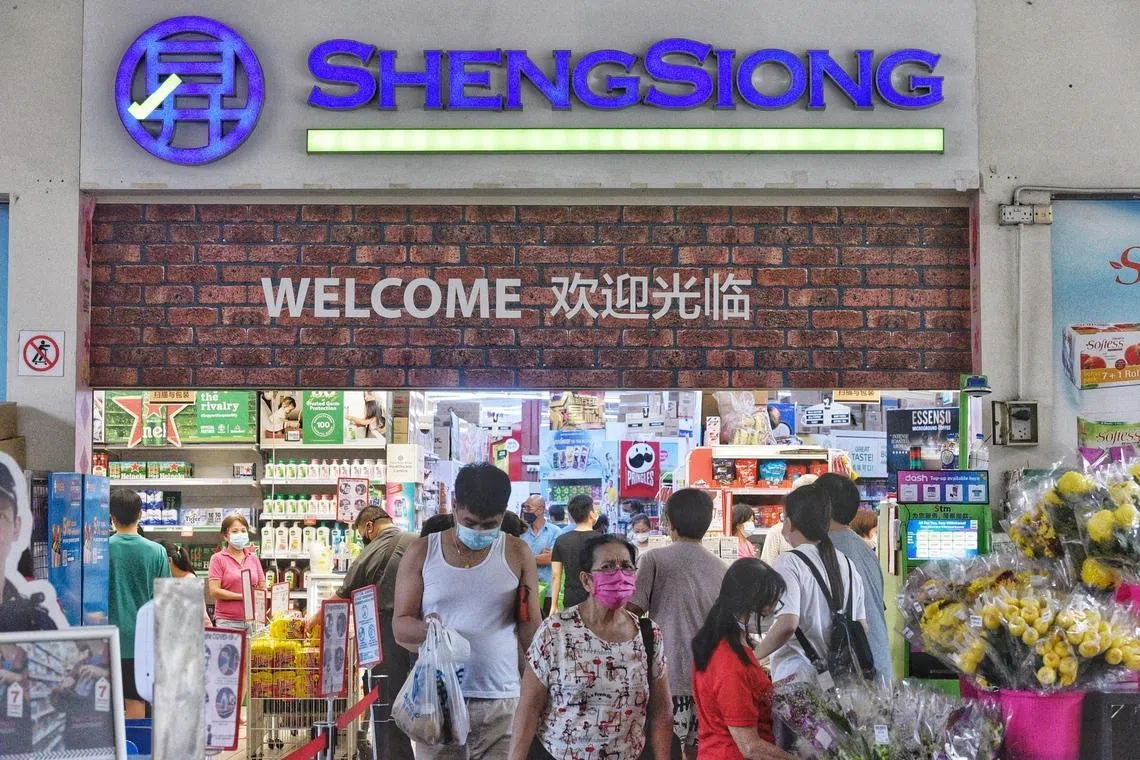
Sheng Siong has also warned of tougher times ahead.
Although it announced strong results for the quarter, with revenues rising 12.4 per cent year-on-year to $452.8 million, and net profit rising 12.6 per cent to $43.4 million, the supermarket operator noted that the sharp rise in energy costs, along with spillover effects on the prices of related goods and services, could lead to higher operating expenses.
It noted that growing uncertainty over prices and income stability is pushing consumers to become more cautious in their spending, with many households “becoming more price-sensitive and shifting their focus toward essential items that offer greater value”.
In light of this, Sheng Siong said it is actively refining its sales mix and diversifying its supplier base to ensure it has access to enough supplies.
Transport operator ComfortDelgro (CDG) said it is also facing pressure, particularly in its Singapore taxi and private hire business.
While it has introduced temporary driver fees and metered fare hikes to help its drivers manage higher fuel costs, CDG has also absorbed a portion of the costs at its own petrol pumps.
The company also reported higher operating costs for the first quarter and a lower net profit despite seeing a rise in revenues.

