


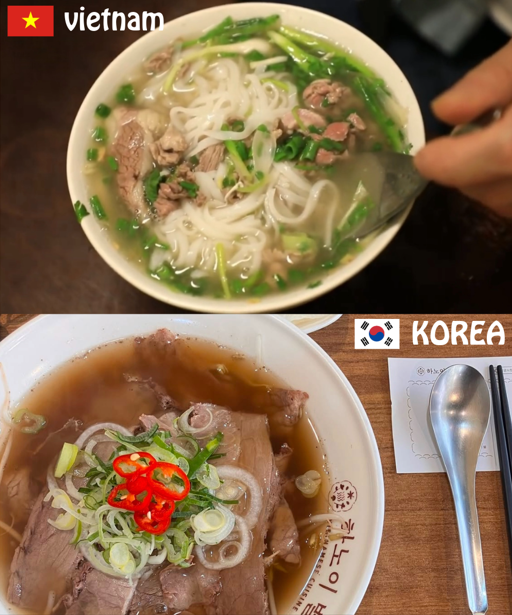
As more consumers seek healthy and light dining options, interest in Vietnamese pho continues to grow. Alongside authentic Vietnamese-style noodle dishes known for their rich broth and fresh ingredients, Korean-style Vietnamese pho restaurants tailored to Korean tastes are emerging as a new dining trend.
Vietnamese pho is one of Vietnam’s signature dishes, recognized for its clear yet deeply flavorful broth, soft rice noodles, and harmonious blend of herbs and spices. Pho from the Hanoi region, in particular, is known for its clean and mild broth, traditionally made by slowly simmering various spices and fresh vegetables for hours to create a rich depth of flavor.
Among these restaurants, Vietnamese pho specialty restaurant “Hanoi Star” is drawing attention for preserving the essence of traditional Hanoi-style pho while adapting it to suit Korean tastes with a smoother and cleaner flavor profile. Rather than emphasizing overly strong spices, the restaurant focuses on creating a rich yet comforting broth that can be enjoyed comfortably by customers of all ages.
Hanoi Star differentiates itself through its careful ingredient selection and dedication to creating honest, healthy broth. The restaurant uses 25 kinds of medicinal herbs and spices, premium Australian beef, aged ginger, and fresh vegetables, all simmered for more than four hours to produce its signature broth. The result is a deep and rich flavor that remains clean, smooth, and balanced.
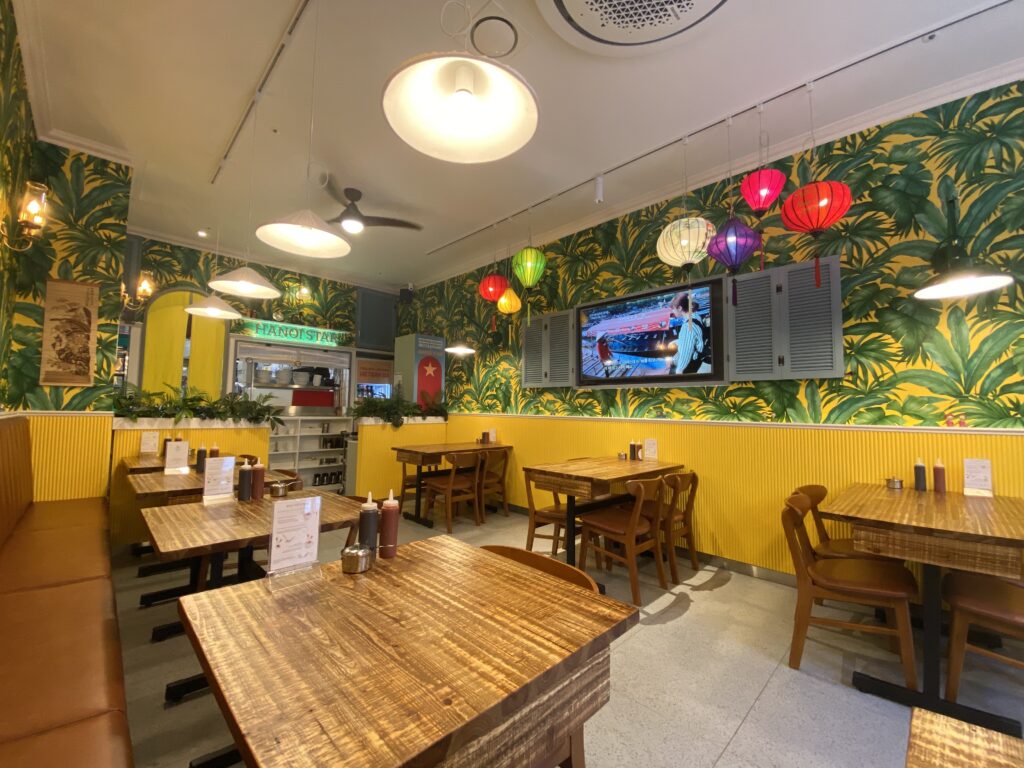
In particular, Hanoi Star emphasizes that it does not use artificial beef flavoring, liquid concentrates, or chemically processed spice extracts to enhance taste. Instead, the restaurant focuses on bringing out the natural flavors of its ingredients to provide customers with a healthier and more authentic bowl of pho.
In today’s dining industry, consumers increasingly prefer natural flavors and healthy ingredients over overly stimulating foods. As a result, Vietnamese pho restaurants known for their deep yet clean broth continue to gain popularity, especially among customers looking for wholesome and satisfying meals.
Following this trend, Hanoi Star has built its own competitive identity through healthy ingredients and carefully prepared broth. The combination of soft rice noodles, richly simmered broth, and fresh vegetables offers a meal that feels both comforting and satisfying.
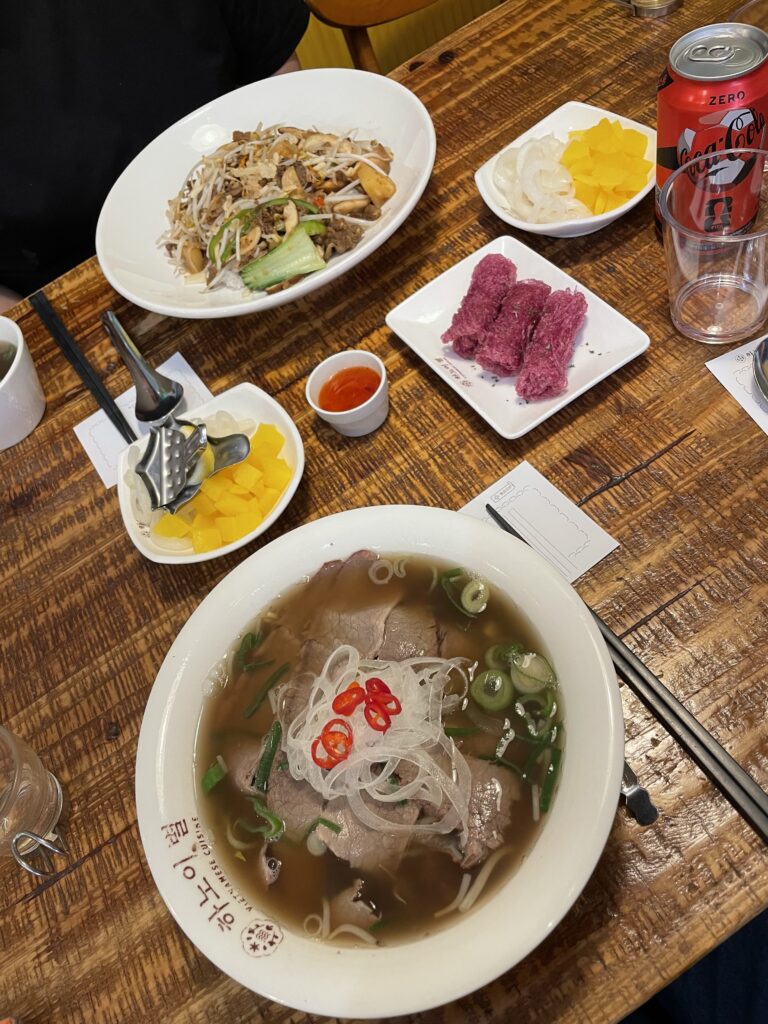
Hanoi Star’s Korean-style interpretation of pho also allows customers who may not be familiar with strong Southeast Asian spices to enjoy Vietnamese cuisine more comfortably. While preserving the essence of traditional Vietnamese flavors, the restaurant recreates them in a way that reflects the mild and balanced taste preferred by Korean diners.
At the same time, growing interest in solo dining culture and healthier eating habits has further increased demand for pho. Its relatively light calorie profile, clean taste, and balanced combination of ingredients have made it a popular choice among a wide range of customers.
Industry experts expect demand for honest ingredients, healthy recipes, and carefully prepared meals to continue growing in the future. Restaurants that emphasize long-simmered broth and fresh ingredients are therefore expected to strengthen their competitiveness even further.
Within this trend, Hanoi Star continues to introduce a new interpretation of Vietnamese pho through healthy ingredients, honest cooking methods, and flavors carefully tailored to Korean tastes. Its rich broth and clean flavor profile have positioned the restaurant as a compelling choice for consumers seeking healthier dining experiences.
In addition, Hanoi Star is attracting attention among foreigners living in or visiting Korea as a place where they can experience a uniquely Korean interpretation of Vietnamese pho. By combining Korea’s signature attention to detail and carefully crafted flavors with traditional Vietnamese cuisine, Hanoi Star offers both local and international customers a distinctive culinary experience within the growing culture of K-food.
▲Hanoi Star
▲Owner Daesik Park
▲#112, 251, Incheon tower-daero, Yeonsu-gu, Incheon, Republic of Korea
SALLY LEE
US ASIA JOURNAL

