


TEXAS, CALIFORNIA – Once every three months, Mr Daryl Lim flies nearly 24 hours from Singapore to his first overseas office in Austin, Texas, where he builds artificial intelligence (AI) robotics solutions for manufacturers across aerospace, oil and gas and marine sectors.
The co-founder of Singapore-based firm Augmentus, which counts ST Engineering among his customers, set up a base there in 2024 to meet increasing demand from US customers.
Austin is the right city for him to scale physical robotics given its tech ecosystem, Mr Lim told The Straits Times in his office there in April.
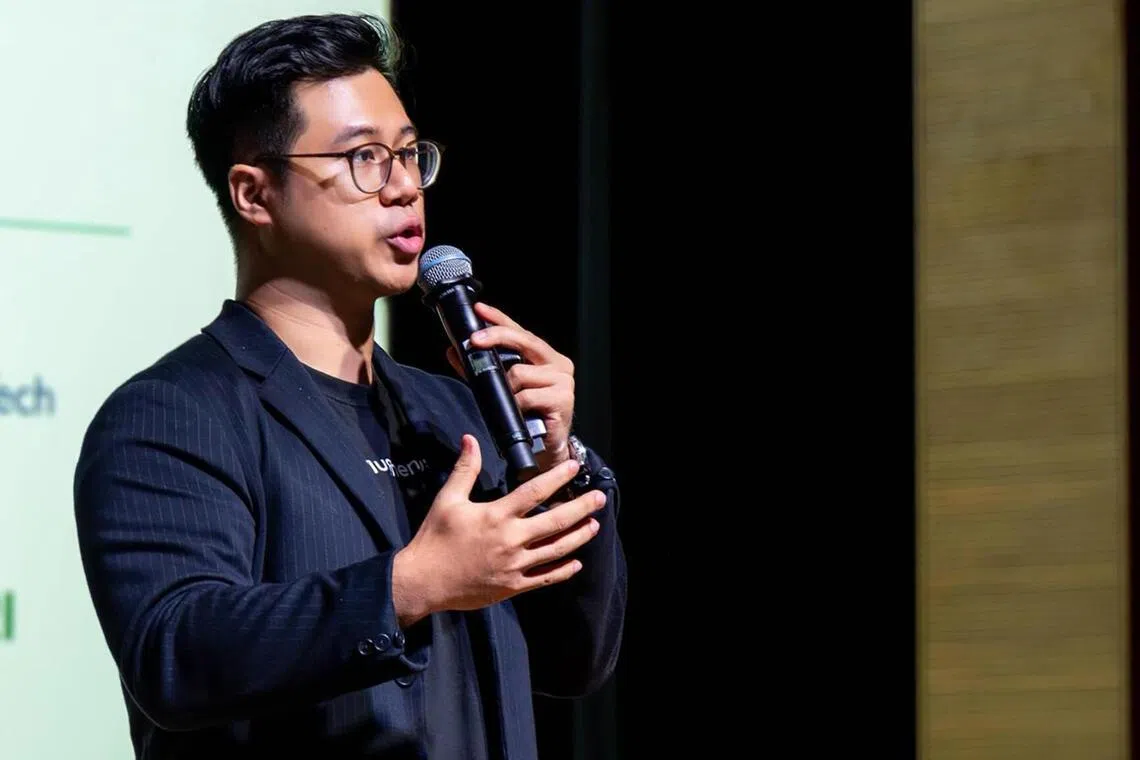
Augmentus co-founder Daryl Lim set up his first overseas office in Austin in 2024.
PHOTO: AUGMENTUS
Austin’s vibrant start-up culture and quality of life make it easier for him attract engineering talent. It also helps that Austin does not have a state income tax, he said.
Singapore firms like Augmentus are increasingly looking to Austin and other US cities as a key market for expansion.
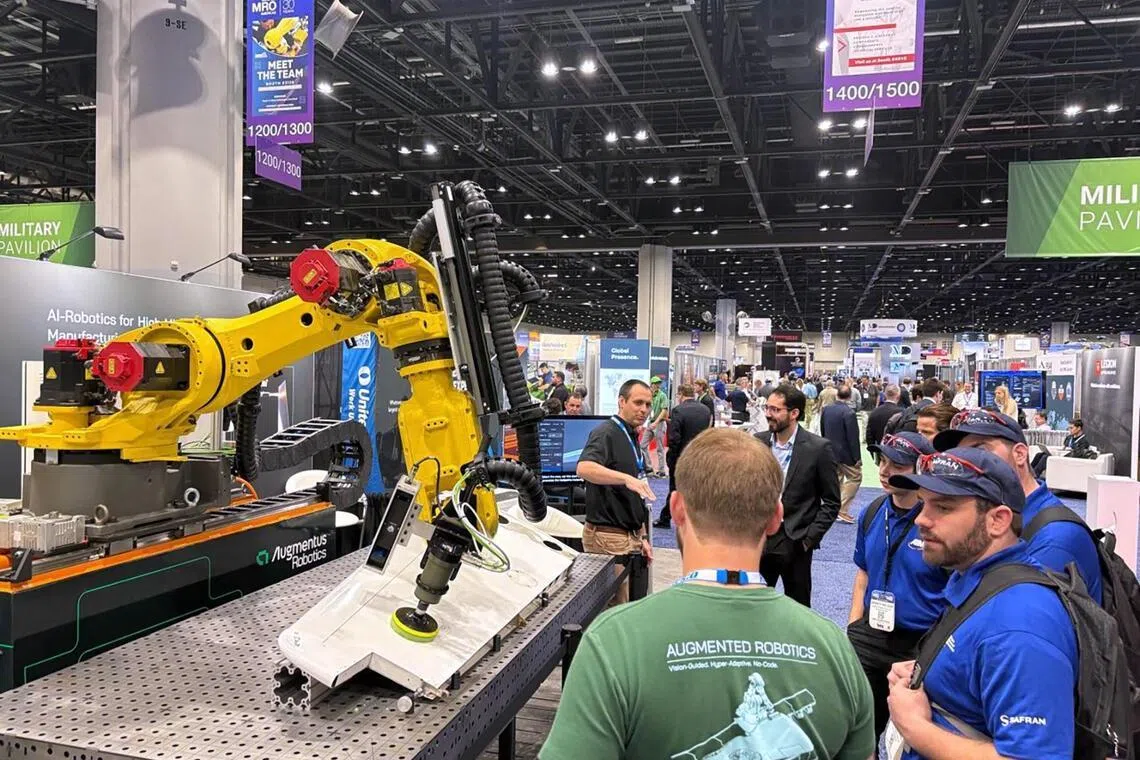
Augmentus’ AI robotics solution AutoPath was showcased at aerospace trade show MRO Americas in Orlando, Florida, in April.
PHOTO: AUGMENTUS
More than 250 Singapore companies now have a presence across 45 US states. Close to 60 of them are operating in Texas across sectors including advanced manufacturing, logistics, energy and technology.
Collectively, their investments in the US market has grown from $62.7 billion in 2023 to $66 billion in 2024, according to Enterprise Singapore (EnterpriseSG), which recently opened an overseas centre in Austin following three other outposts in New York, San Francisco and Los Angeles.
“Setting up an entity in the US was challenging but EnterpriseSG helped us with the legal aspect,” said Mr Lim, adding that he plans to grow his US team across sales and engineering.
Deep tech firms from Singapore are also setting up their presence in other major innovation hubs such as Los Angeles and Silicon Valley.
One of them is Singapore medtech company Aevice Health, which also saw an opportunity to serve the US market with its AI-powered respiratory monitoring solutions.
Co-founder Adrian Ang chose to expand into the US over other markets like Australia, China and the UK, where he had also visited as part of trips that EnterpriseSG organised.
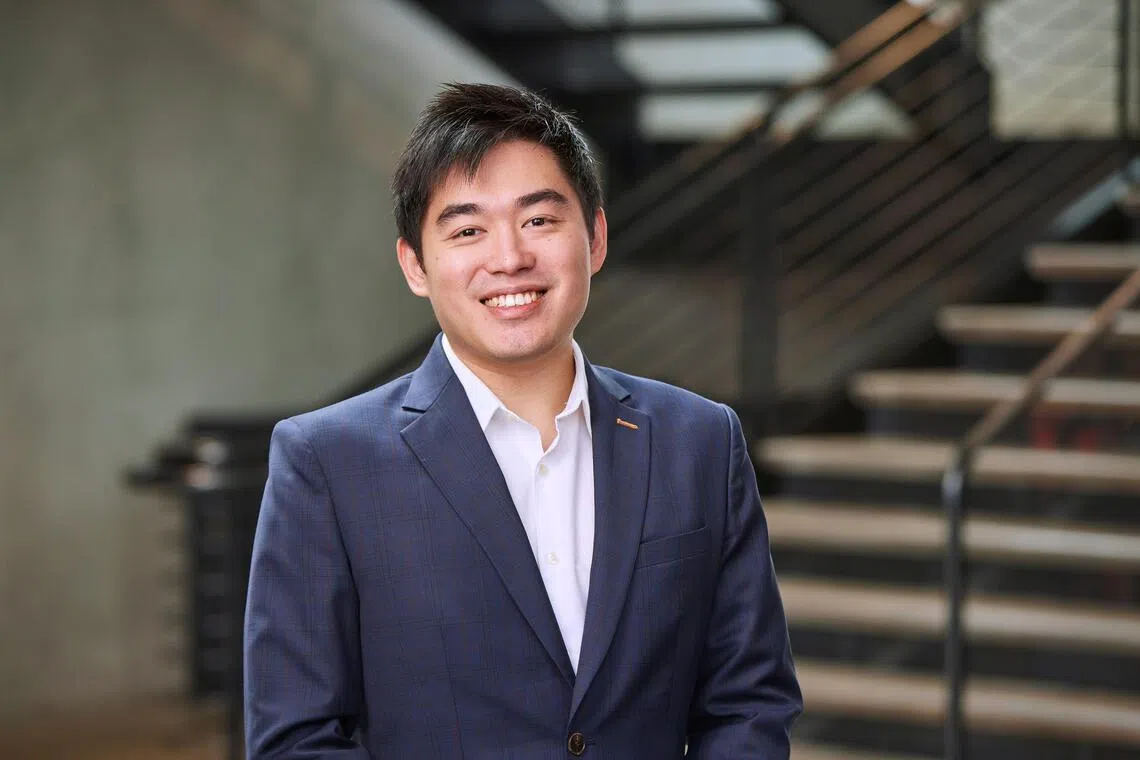
Aevice Health co-founder Adrian Ang chose to expand into the US over other markets like Australia, China and the UK.
PHOTO: AEVICE HEALTH
Besides its huge population, the US offers another advantage: once a medical device receives clearance from the US Food and Drug Administration (FDA), it can be marketed nationwide, Mr Ang told ST via a Zoom interview.
He believes his company’s FDA-cleared AeviceMD solution – a patient management platform powered by wearable stethoscopes for remote respiratory monitoring – will draw interest in the US as hospitals there are incentivised to adopt new technology that improves patient services while bringing down costs.
In fact, AeviceMD will soon be deployed at academic healthcare nonprofit Cedars-Sinai Guerin Children’s paediatrics department in Los Angeles.

Aevice’s main solution is AeviceMD, an FDA-cleared wearable stethoscope for remote respiratory monitoring.
PHOTO: AEVICE HEALTH
Through this partnership, Aevice Health will gain both funding and direct access to Cedars-Sinai’s clinical network and research infrastructure, allowing the team to observe real-world clinical settings and use that data to refine and advance their products.
For Mr Charles Wong, co-founder of Singapore-founded 3D simulation start-up Bifrost AI, it makes sense to set up an office in San Francisco for easier access to other robotics and simulation companies as well as venture capital firms in nearby Silicon Valley.
US venture capital firms also tend to have larger risk appetite and are more willing to take bigger bets, said Mr Wong.
His company works with several maritime providers to generate realistic scenarios without real-world risk. It also taps robotics, where advanced AI algorithms are integrated into physical hardware – robots, drones, and autonomous vehicles – to allow them to perceive, reason, and act in the real world.
Mr Wong said the number of robotics companies in the San Francisco Bay area is “skyrocketing”.
For wireless laser communications company Transcelestial, which primarily operated out of the San Francisco Bay Area, early traction came from the US government and telco clients.
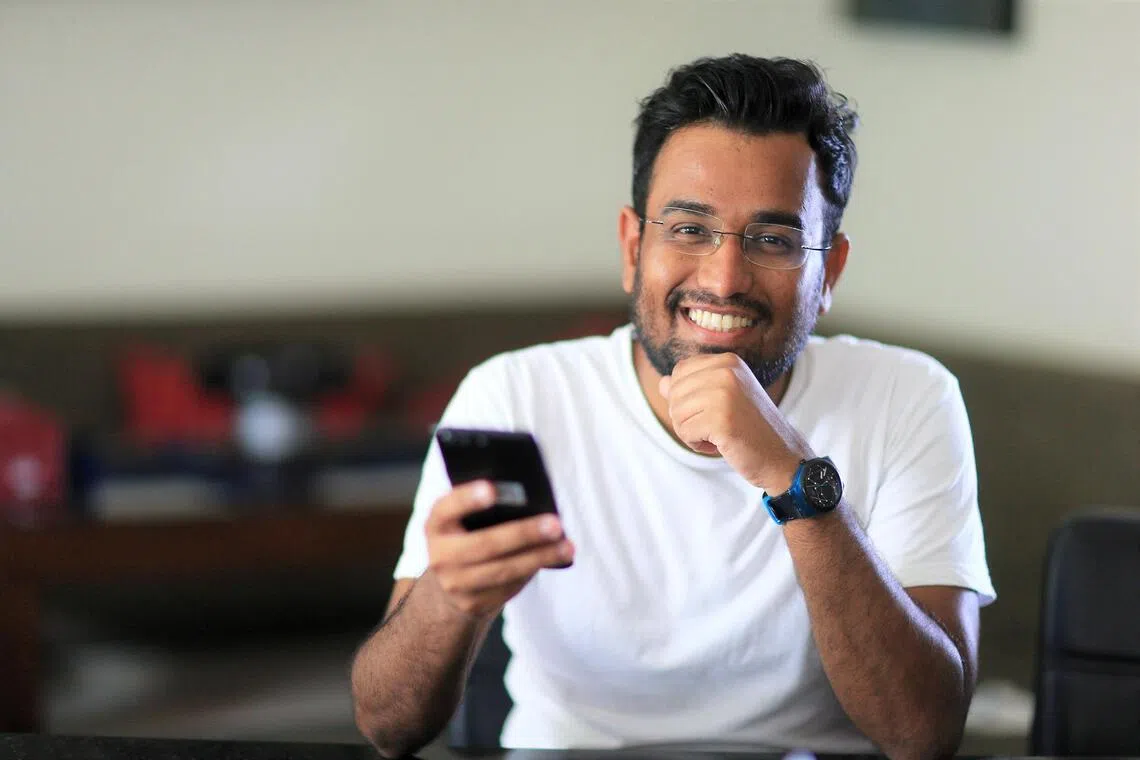
Transcelestial co-founder Rohit Jha’s company uses wireless laser communication to improve global internet connectivity.
PHOTO: TRANSCELESTIAL
The first contracts they signed there were also larger – by a huge margin – compared with what they saw in Asia, said co-founder Rohit Jha.
Speaking to ST in Los Angeles, dConstruct Robotics general manager for North America Peter Oh noted that Singapore’s small market presents a technical challenge, especially for a start-up with limited resources.
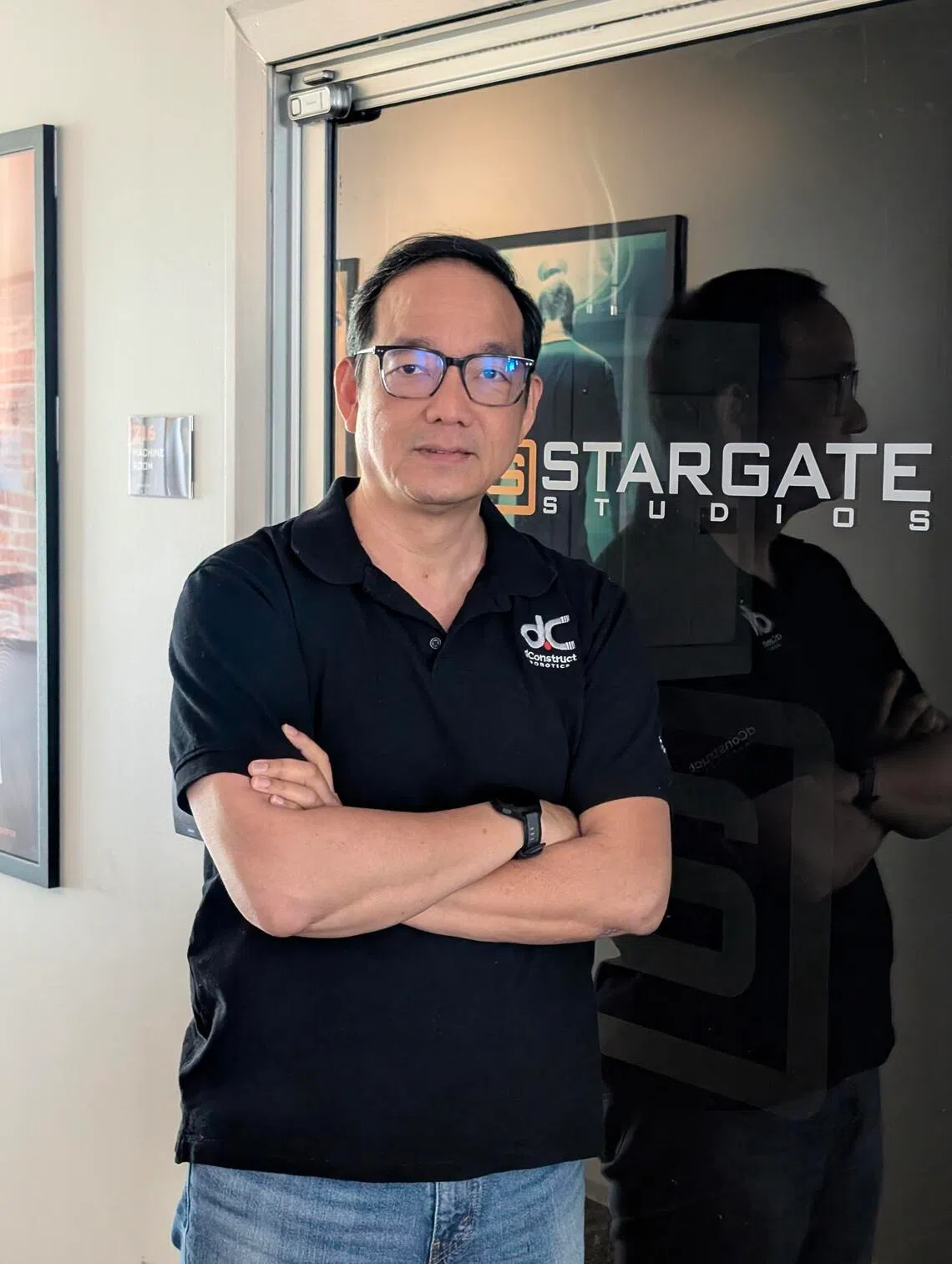
Mr Peter Oh, general manager for North America at dConstruct Robotics, said Singapore’s small market presents a challenge for start-ups with limited resources.
PHOTO: DCONSTRUCT ROBOTICS
“Because it’s so small, you have to think, design and build for multiple use cases, multiple industries, without investing and building different products for different industries,” he said.
Having found success with its robot management platform d.ASH in Singapore, dConstruct Robotics is taking its scanning technology to the US.
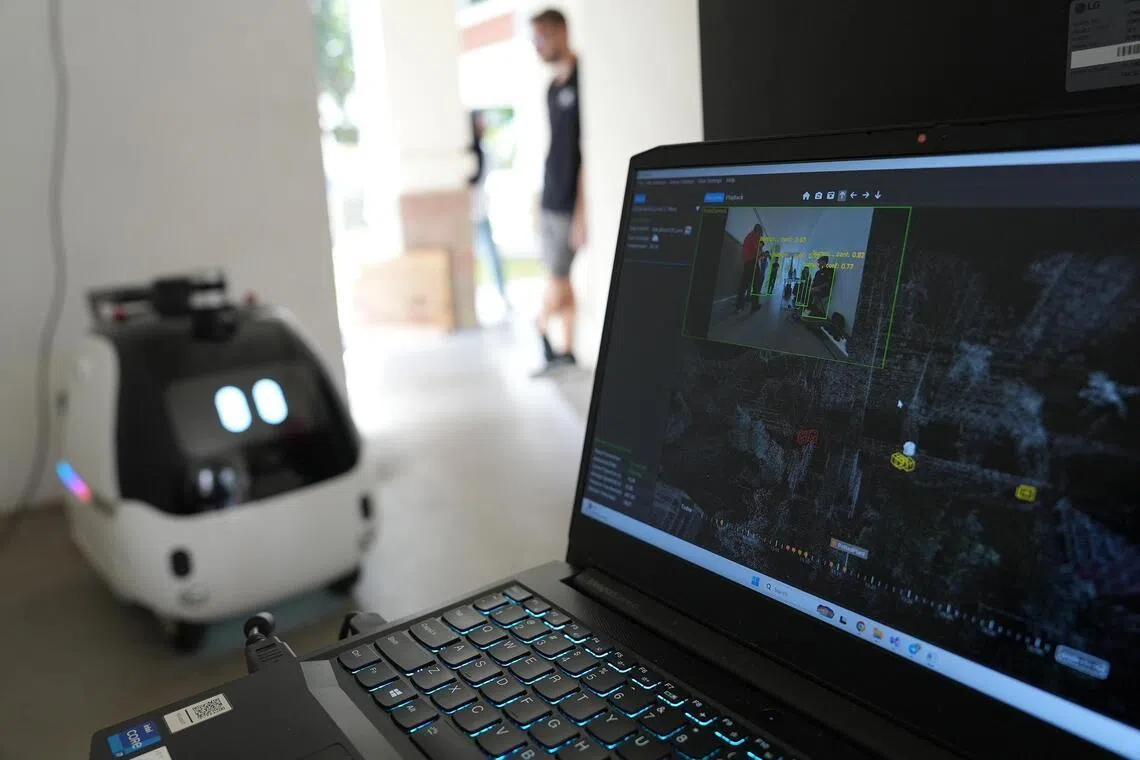
d.ASH-ER is powered by advanced sensors and intelligent navigation to streamline operations and enhance safety.
PHOTO: DCONSTRUCT ROBOTICS
dConstruct Robotics co-founder Chinn Lim said that the firm worked with the city of Los Angeles to deploy its scanning technology for a range of event and production needs. It is now expanding its technology into the media and entertainment sector in the US.
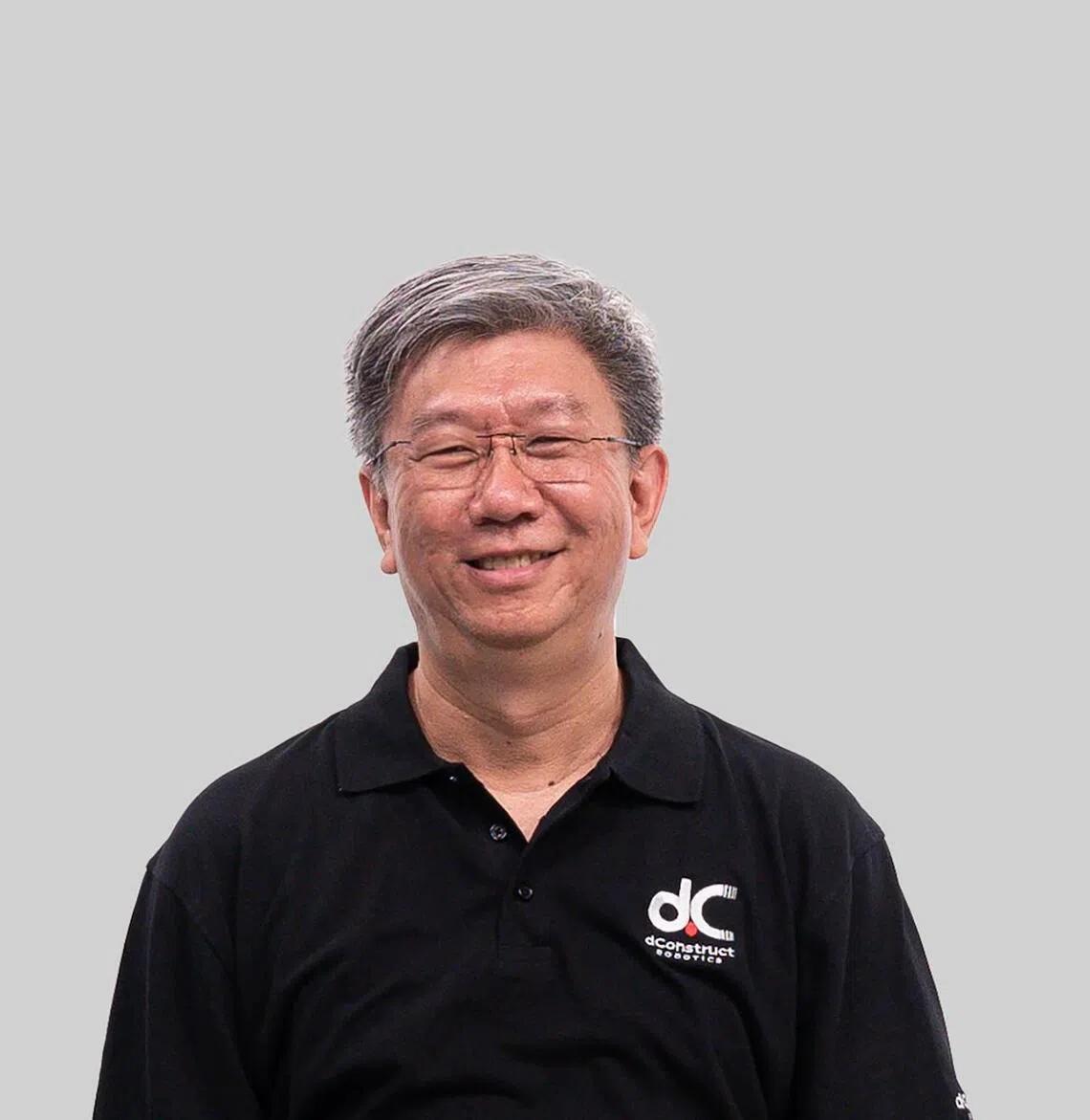
Mr Chinn Lim, co-founder of dConstruct Robotics.
PHOTO: DCONSTRUCT ROBOTICS
While there are more opportunities in the US, Singapore firms also face tougher competition and higher hiring costs there, EnterpriseSG director for Americas Lim Seow Hui said.
“Singapore companies are generally still not as well-known here in the US,” she said.
EnterpriseSG is therefore working on raising the visibility of Singapore companies in the US, she said, adding that the agency also helps homegrown firms understand the operating context in response to geopolitical tensions.

