


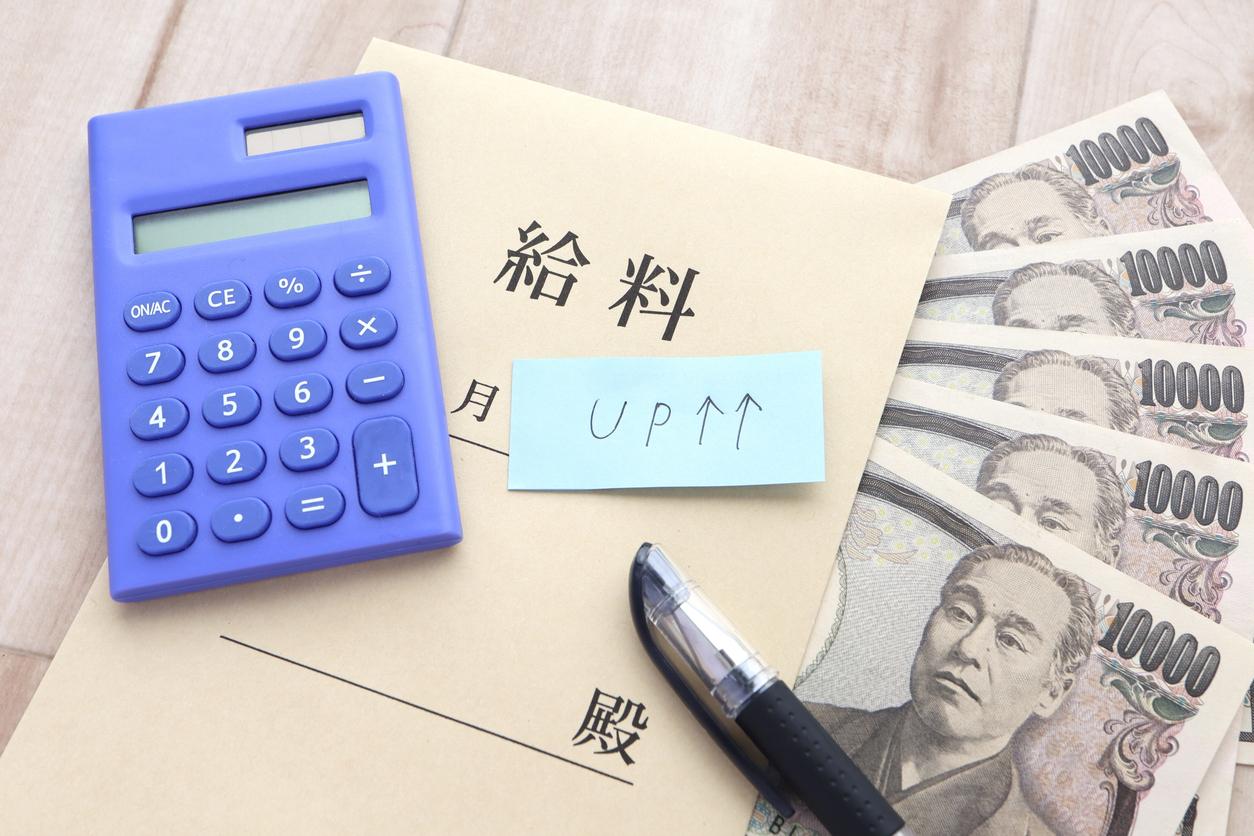
Japan’s real wages in March rose 1.0 percent from a year earlier for the third straight monthly increase, reflecting firms’ robust profits and their efforts to offer competitive salaries to retain talent, despite slowing from the previous month, government data showed Friday.
Nominal wages, or the average monthly cash earnings per worker including base and overtime pay, were up 2.7 percent at 317,254 yen, increasing for the 51st consecutive month, the Ministry of Health, Labor and Welfare said.
Of the total, scheduled payments including base pay and family allowances rose 3.2 percent to 271,313 yen, logging an increase of 3.0 percent or more for three consecutive months for the first time in 33 years and five months.
The index used in the data showed consumer prices rising 1.6 percent, moving below 2 percent for the third consecutive month, helped by government subsidies for utility and gas bills.
But with wage growth slowing from the upwardly revised 2.0 percent marked in February, the focus shifts to whether personal consumption, which accounts for more than half of Japan’s gross domestic product, will increase going forward.
Amid the weaker yen, the U.S.-Iran war and surging crude oil prices are thought to accelerate inflation, driving up import costs. Companies are moving to raise the prices of products and services to procure materials from sources other than the Middle East.
“We do not see a significant impact (from the Middle East situation) at this moment but we will continue to closely monitor the situation,” a ministry official said.
The Middle East crisis, if prolonged, could also create tough business conditions for firms, testing their agreements with labor unions to offer robust pay raises in the annual wage talks for the fiscal year starting April.
As it examines the timing to lift its key policy interest rate to achieve stable 2 percent inflation, the Bank of Japan is also keen on seeing price increases supported by wage growth and domestic demand.
The BOJ left the policy rate unchanged at the latest meeting in April to further assess the impact of the Middle East conflict but noted the need to pay close attention to the risk of “inflation significantly deviating upward” as firms shift toward raising wages and prices.
© KYODO

