


SEOUL – South Korean exports rose for an 11th month in April, beating forecasts, as the global appetite for artificial intelligence infrastructure boosted semiconductor sales to offset jitters from the Middle East conflict.
Exports from Asia’s fourth-largest economy, a bellwether for global trade, jumped 48 per cent from a year earlier, government data showed on May 1, exceeding a median 45.3 per cent increase forecast in a Reuters poll.
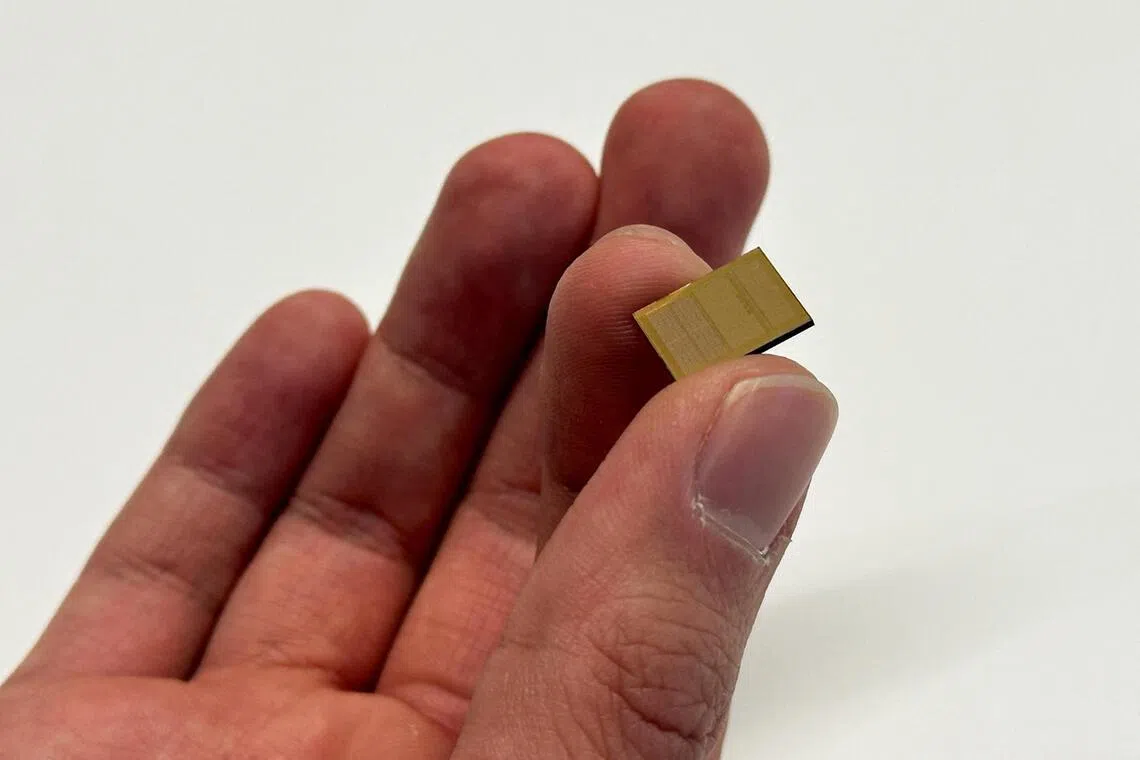
Semiconductor exports rose 173 per cent from a year earlier, buoyed by rising contract prices for memory chips, the industry ministry said in a statement. Shipments of petroleum products rose 40 per cent on higher crude prices, while computer-related exports also soared 516 per cent, driven by strong demand for solid-state drives amid the AI boom.
Automobile exports fell 5.5 per cent from a year earlier, weighed down by the Middle East tensions and expanding US car production, the ministry said. Exports of electric and hybrid vehicles, however, rose 23 per cent and 9 per cent, respectively.
By country, South Korea’s exports to China jumped 63 per cent and those to the US grew 54 per cent, both led by semiconductors.
Imports increased 16.7 per cent in April from a year ago, also outpacing a 14.5 per cent gain tipped in the poll.
The trade figures land just days after chip giants Samsung Electronics and SK Hynix reported blockbuster quarterly profits, in a sign the chip crunch is helping the export-led economy to weather the downside risks stemming from the ongoing conflict involving Iran.
Samsung Electronics on April 30 said the profit gains were driven by a 49-fold jump in chip income, days after SK Hynix reported its profit climbed on a five-fold jump in earnings.
“While the Middle East conflict has driven crude oil imports up for a third consecutive month, high-margin tech shipments and a surge in exports of computer peripherals are more than offsetting energy costs,” said Standard Chartered Bank Korea economist Park Chong-hoon.
The preliminary trade surplus was US$23.77 billion (S$30.37 billion). REUTERS

