


SINGAPORE – Singapore’s consumer prices accelerated in March on the back of higher petrol and retail prices.
Overall inflation picked up to 1.8 per cent year on year from 1.2 per cent in February driven by faster increases in private transport, retail and other goods and services.
Core inflation, which excludes private transport and accommodation to better reflect household expenses, rose to 1.7 per cent from 1.4 per cent, according to official data released on April 23.
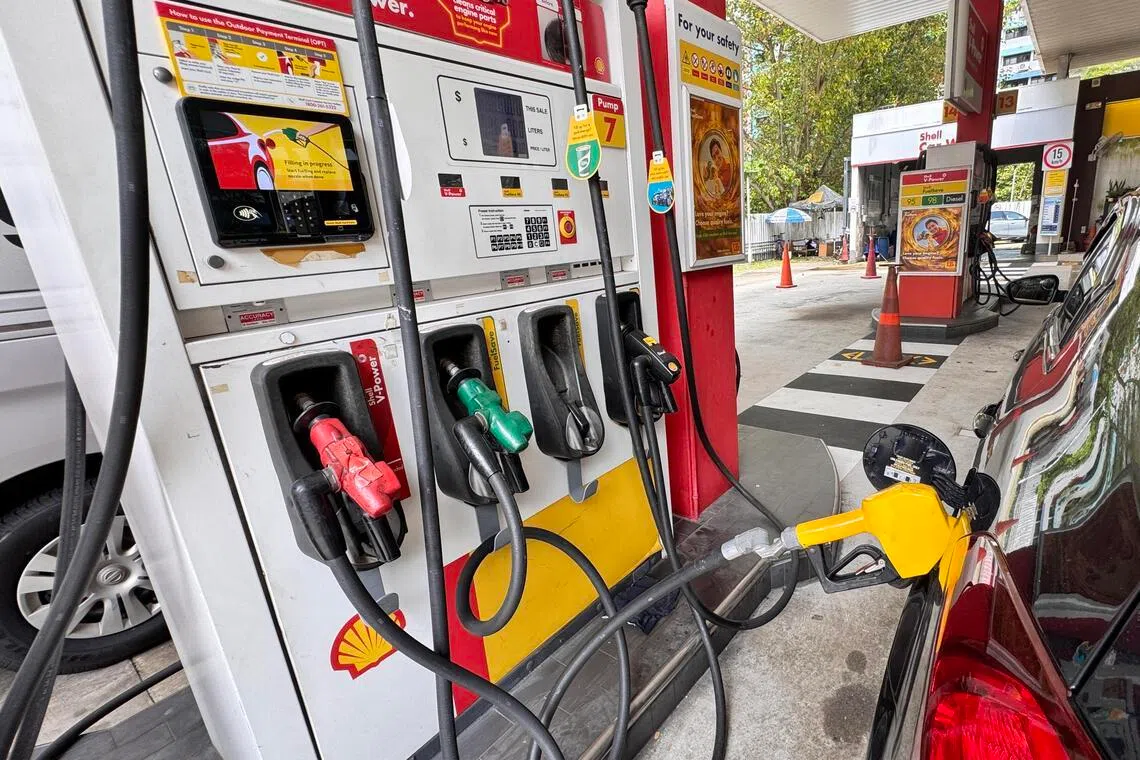
Private transport inflation rose on account of an increase in petrol prices. It surged to 6.6 per cent in March compared to 2.4 per cent in February, the Monetary Authority of Singapore (MAS) and the Ministry of Trade and Industry (MTI) said in a joint statement.
Retail and other goods inflation rose to 1.8 per cent in March from 0.6 per cent in February, mainly due to larger increases in the prices of alcohol and tobacco, as well as clothing and footwear.
Services inflation edged up to 2.1 per cent in March from 2 per cent in February, due to larger increases in the cost of point-to-point transport services and higher telecommunication costs.
Food inflation unchanged at 0.6 per cent, as non-cooked food prices rose at the same rate in March and February.
Electricity and gas prices fell at the same pace of 4.3 per cent in March as in February, reflecting a similar decline in electricity prices over the period.
MAS said the regulated electricity tariff is set based on the average natural gas prices in the first two and a half months of the preceding quarter, among other factors. As a result, recent increases in global energy prices will only be reflected in the tariff from the second quarter of 2026, starting in April.
Accommodation costs were unchanged at 0.3 per cent as housing rents rose at a similar pace in March as in February.
MAS on April 14 raised Singapore’s overall and core inflation forecasts for 2026 to an average of 1.5 per cent to 2.5 per cent, up from an earlier projection of 1 per cent to 2 per cent, in the face of soaring oil and natural gas prices from the Iran war.
It also tightened its monetary policy stance to fight inflation, allowing for a stronger currency to dampen import costs.

